



 18d $6,360 China, End to End
  5d $1,430 Above the Pillars, Then Below
 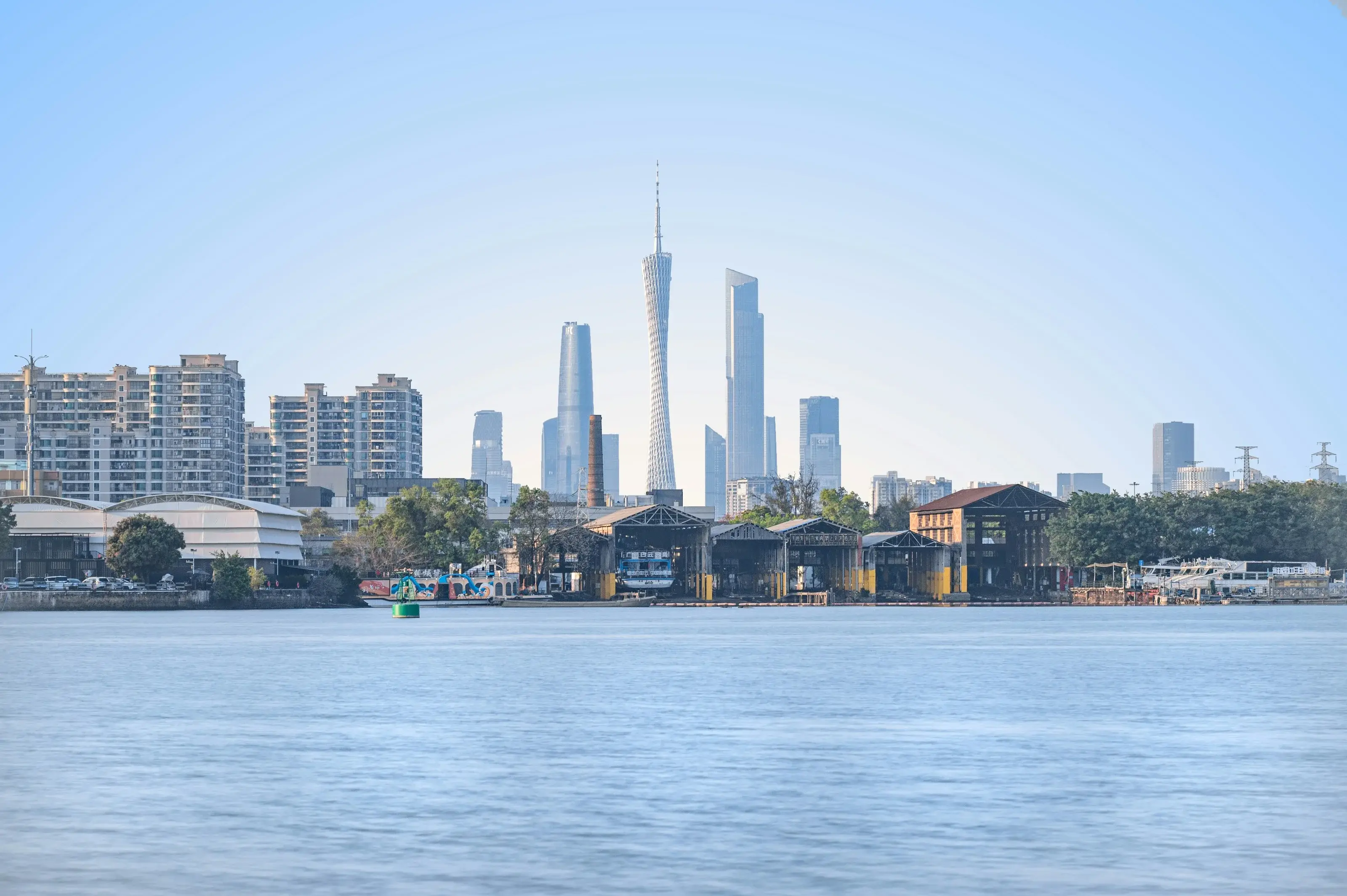 3d $840 After the Last Booth
 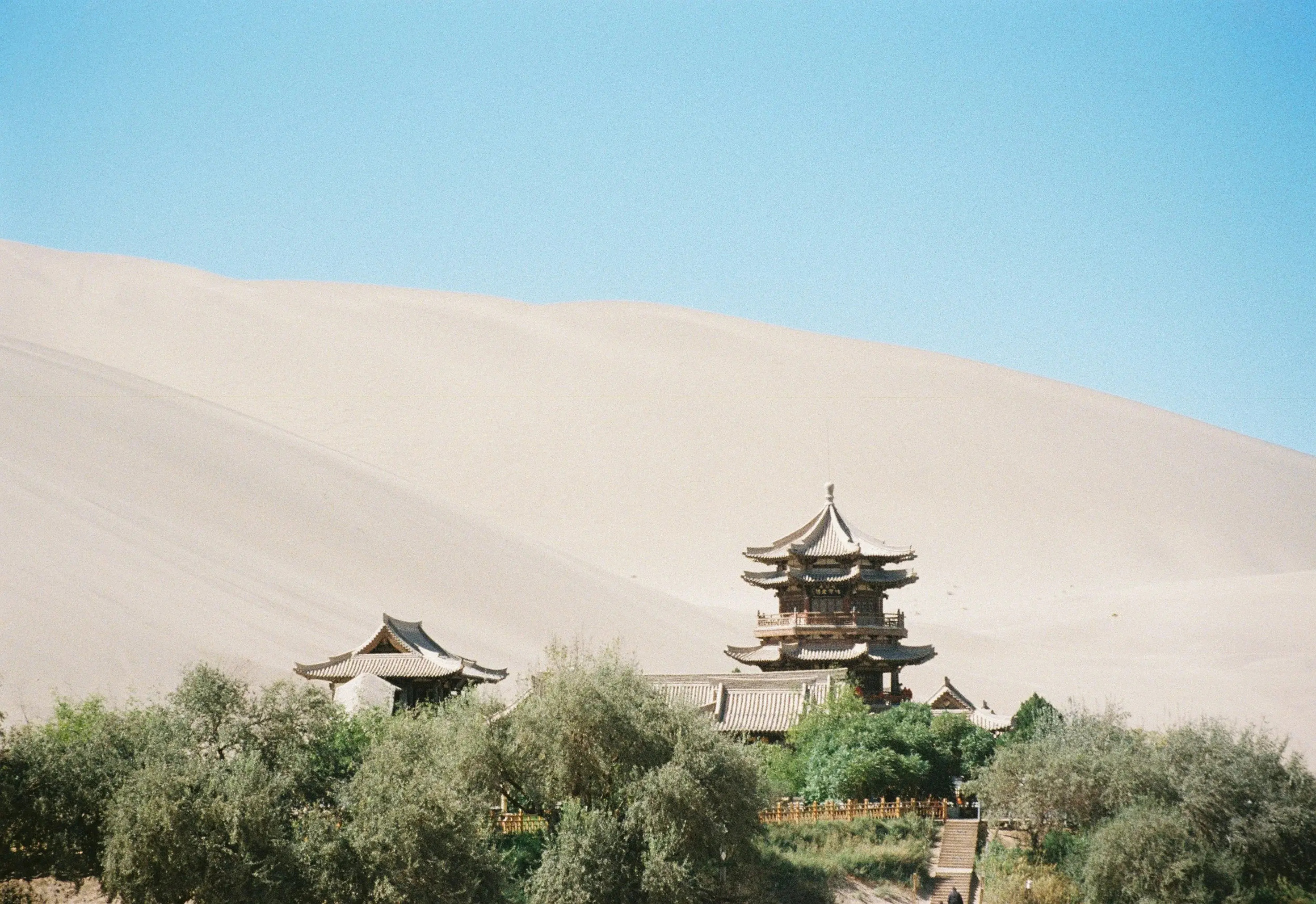 13d $3,500 All the Way West
 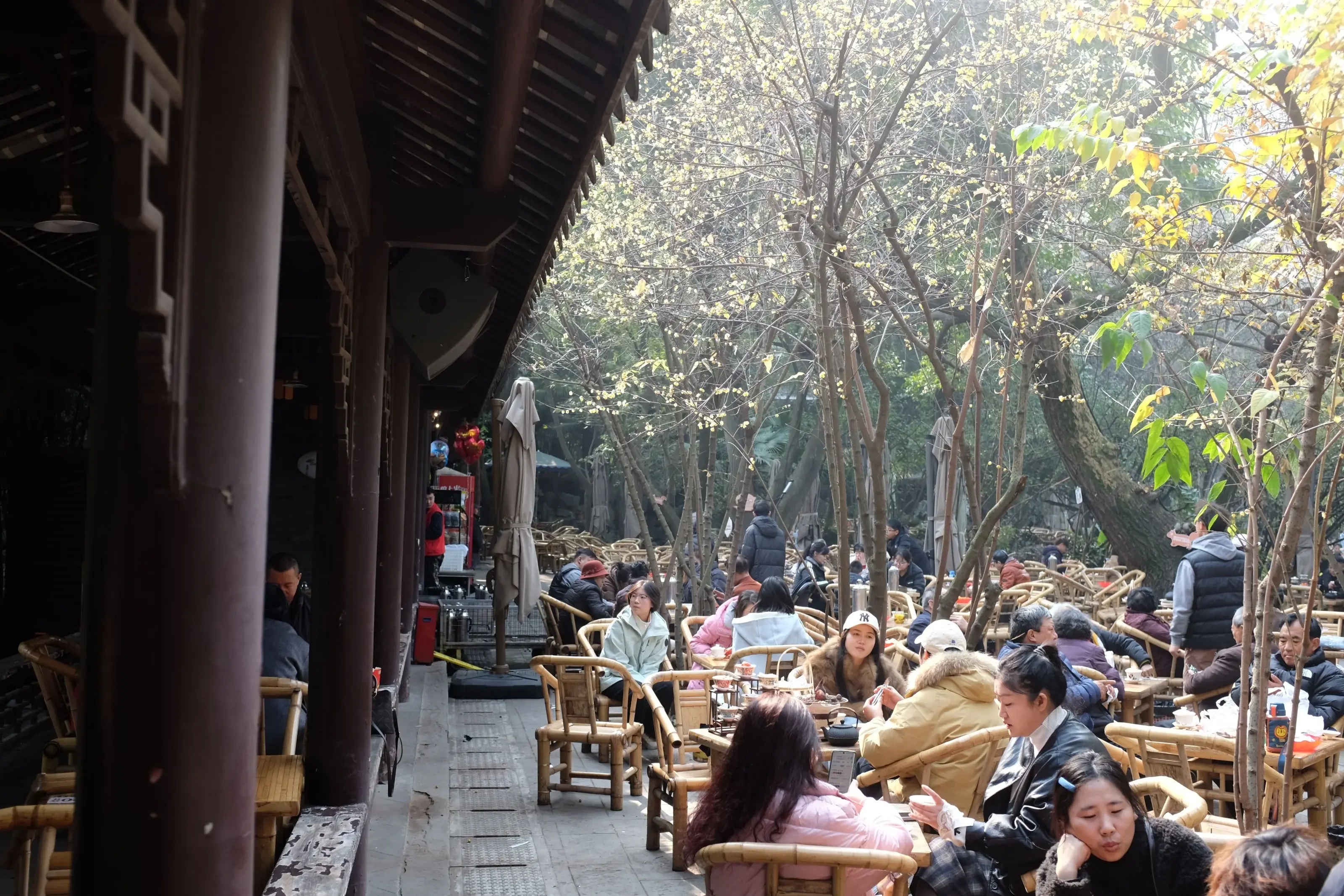 12d $4,060 Axis to Kitchen Table
 TL;DR
China holds 59 UNESCO World Heritage Sites—tied with Italy for the most of any country—and its top attractions collectively drew over 50 million visitors in 2024 alone, with the Palace Museum (Forbidden City) leading at 17.6 million, the Terracotta Army at an estimated 12 million, and the Great Wall's Beijing sections exceeding 10 million (China Tourism Academy; TEA/AECOM Global Experience Index 2024). Navigating this overwhelming abundance requires strategy, not just a list. This guide covers the 15 attractions that best represent China's diversity—from the 21,196-kilometer Great Wall to the 1,864-meter granite peaks of Huangshan, from 2,200-year-old terracotta soldiers to living giant pandas whose wild population has recovered to approximately 1,900 individuals. For each site, we provide verified ticket prices, optimal visiting hours backed by crowd data, section-by-section routing strategies, and the specific mistakes that waste your time and money. First-time visitors should prioritize attractions #1–6; nature lovers should focus on #5, #6, #8, and #12; history enthusiasts should not miss #1, #2, #3, and #9.
Quick Reference: All 15 Attractions at a Glance
| Rank | Attraction | Location | UNESCO | Annual Visitors | Ticket (CNY) | Time Needed |
|---|---|---|---|---|---|---|
| 1 | Great Wall (Mutianyu) | Beijing | ✅ 1987 | 2M+ (Mutianyu alone) | 40 + cable car 120 | 3–5 hours |
| 2 | Forbidden City | Beijing | ✅ 1987 | 17.6M | 60 (peak) / 40 (off) | 3–6 hours |
| 3 | Terracotta Army | Xi\'an | ✅ 1987 | \~12M | 120 | 2–4 hours |
| 4 | Giant Pandas | Chengdu | — | 8M+ | 55 | 3–5 hours |
| 5 | Yellow Mountains | Anhui | ✅ 1990 | 4.57M | 190 (peak) / 95 (off) | 1–2 days |
| 6 | Li River | Guilin | — | 6M+ | 210–360 (cruise) | 4–5 hours |
| 7 | Potala Palace | Lhasa | ✅ 1994 | 1.5M+ | 200 (peak) / 100 (off) | 2–3 hours |
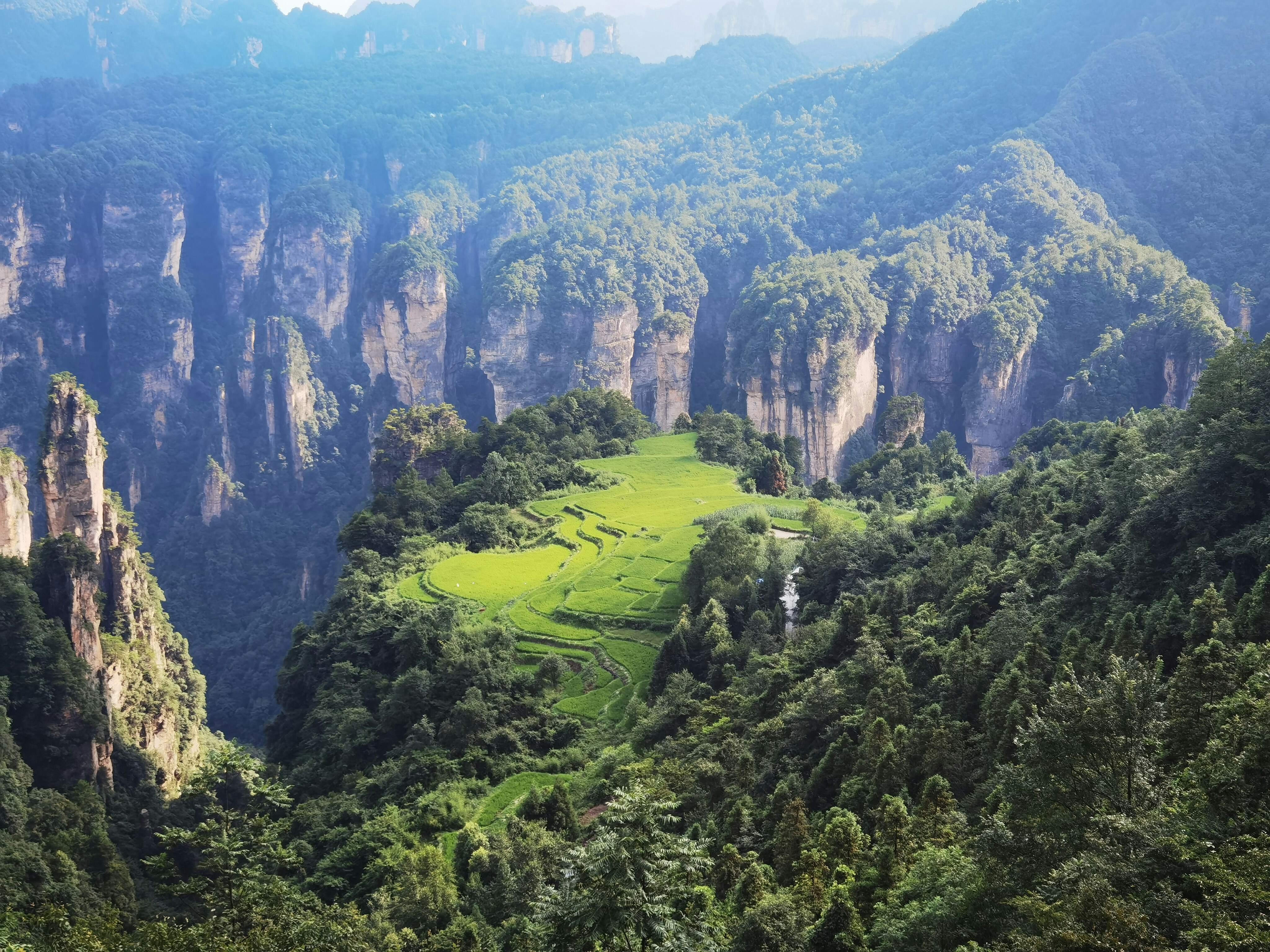
| 8 | Zhangjiajie | Hunan | ✅ 2010 (Geopark) | 5M+ | 225 (4-day pass) | 2–3 days |
| 9 | Mogao Caves | Dunhuang | ✅ 1987 | 2M+ | 238 (peak) / 140 (off) | 3–4 hours |
| 10 | The Bund | Shanghai | — | 30M+ | Free | 1–2 hours |
| 11 | West Lake | Hangzhou | ✅ 2011 | 25M+ | Free | Half–full day |
| 12 | Daocheng Yading | Sichuan | — | 1M+ | 146 + shuttle 120 | 2 days |
| 13 | Victoria Harbour | Hong Kong | — | 10M+ | Free | 1–2 hours |
| 14 | Lijiang Old Town | Yunnan | ✅ 1997 | 10M+ | 50 (maintenance fee) | 1–2 days |
| 15 | Erhai Lake | Dali | — | 5M+ | Free | 1–2 days |
#1 The Great Wall of China
How long is the Great Wall and why is it the world's most iconic attraction?
The Great Wall of China stretches 21,196.18 kilometers (13,170.70 miles)—roughly half the circumference of the Earth—making it the largest military structure ever built, constructed over 2,300 years from the 7th century BC through the 17th century AD (State Administration of Cultural Heritage, 2012 archaeological survey). It was inscribed as a UNESCO World Heritage Site in 1987, voted one of the New Seven Wonders of the World in 2007, and draws over 10 million visitors annually to its Beijing sections alone. The Chinese proverb "不到长城非好汉" ("You are not a true hero until you have climbed the Great Wall") captures its cultural significance—this is not merely a tourist attraction but a pilgrimage site for Chinese and international travelers alike.
| Key Fact | Detail |
|---|---|
| Total length | 21,196.18 km (all dynasties combined) |
| Ming Dynasty wall | 8,851 km (best-preserved section) |
| UNESCO inscription | 1987 |
| Construction period | 7th century BC – 17th century AD |
| Beijing sections visitors | 10+ million annually |
Which section should you visit? The definitive comparison
The Great Wall near Beijing offers four major sections with dramatically different experiences. Choosing the right one is the single most important decision for your Great Wall visit.
| Section | Distance from Beijing | Ticket (CNY) | Crowds | Difficulty | Best For |
|---|---|---|---|---|---|
| Mutianyu ⭐ | 73 km (1.5 hrs) | 40 + cable car/toboggan options | Moderate | Easy–Moderate | First-timers, families, most visitors |
| Jinshanling | 130 km (2.5 hrs) | 65 | Low | Moderate–Hard | Hikers, photographers |
| Simatai | 120 km (2 hrs) | 40 (day) / 120 (night) | Low–Moderate | Moderate | Night tours, unique experience |
| Badaling | 60 km (1 hr) | 40 (peak) / 35 (off) | Extreme | Easy | Wheelchair users, winter visits only |
Why is Mutianyu the best section for most visitors?
Mutianyu surpassed 2 million visitors for the first time in 2024—with approximately 40% being international tourists, a 200% increase over 2023—and ranks 6th globally and 2nd in Asia on TripAdvisor's 2025 Top Attractions list, making it the only Chinese attraction to win three major TripAdvisor awards simultaneously. This section delivers the optimal balance of restored infrastructure, scenic beauty, manageable crowds, and family-friendly facilities that Badaling cannot match.
In 2025, Mutianyu welcomed 1 million inbound visitors throughout the year, marking a year-on-year surge of 60%—a testament to its growing international reputation as the premier Great Wall experience. The scenic area operates under peak season hours from March 16 to November 15, 2026.
Practical information:
Distance from Beijing: 73 km northeast (1.5 hours by car)
Entry fee: CNY 40 (\~$5.50)
Cable car round-trip: CNY 120 (\~$16.50); Chairlift up + toboggan down: CNY 140 (\~$19); Combined package (entry + shuttle + cable car or toboggan): CNY 250 (\~$34)
Time needed: 3–5 hours total
Difficulty: Easy to moderate (cable car eliminates most climbing)
Peak season hours: March 16 – November 15, 7:30 AM – 5:00 PM
Optimal visiting strategy:
Arrive at opening (7:30 AM) to beat tour groups, which typically arrive between 9:30–10:30 AM. Take the cable car up to Tower 14, then walk northwest to Tower 20—the most photogenic section with dense watchtowers and dramatic curves, requiring 1–1.5 hours of moderate walking. For the descent, choose between the cable car (easier, recommended for elderly visitors and young children) or the toboggan slide (thrilling, a highlight for older children and adventurous adults). The toboggan runs from Tower 6 down to the base—a steel-track slide that takes about 10 minutes and is genuinely fun regardless of age.
What to bring:
✅ Comfortable hiking shoes (stone steps are uneven and steep in places)
✅ 1–2 liters of water per person (vendors on the wall charge 3–4x normal prices)
✅ Sun protection (the wall is fully exposed to elements)
✅ Light jacket (windy on the wall even in summer, especially at watchtower level)
✅ Snacks (limited food options on the wall itself)
Pro tips:
Book tickets online 1 day in advance via the official Mutianyu website to skip queues
September–October offers the clearest skies, best photography light, and autumn foliage along the wall
Avoid weekends and Chinese holidays (crowd levels increase 3x)
The chairlift and toboggan often require 1–3 hours of waiting during peak periods; the enclosed cable car is generally less crowded
Why is Jinshanling the best section for hiking and photography?
Jinshanling is the Great Wall section that photographers and serious hikers dream about—partially restored with dramatic curves, minimal crowds (you can have entire sections to yourself on weekdays), and the most spectacular sunrise and sunset opportunities of any accessible section. Where Mutianyu delivers a polished, family-friendly experience, Jinshanling delivers raw authenticity. The partially crumbling watchtowers, wild vegetation growing through ancient brickwork, and sweeping views across mountain ridges create the iconic Great Wall imagery that appears in National Geographic and travel magazines worldwide.
Practical information:
Distance from Beijing: 130 km northeast (2.5 hours by car)
Entry fee: CNY 65 (\~$9)
Time needed: 4–6 hours (including 2–3 hour hike)
Difficulty: Moderate to challenging (steep sections, uneven terrain)
Best time: Sunrise (arrive 4:30–5:00 AM) or late afternoon for golden hour light
Hiking routes:
| Route | Distance | Time | Difficulty |
|---|---|---|---|
| Short loop (East Gate to West Gate) | \~5 km | 2 hours | Moderate |
| Classic (Jinshanling to Simatai West) | \~10 km | 3–4 hours | Moderate–Hard |
| Photography route (sunrise at East Tower + sunset at West Tower) | Varies | Full day | Moderate |
Pro tips:
Hire a private driver for flexibility—public transport to Jinshanling is limited and infrequent
Bring a headlamp for sunrise hikes (you'll start walking in darkness)
Pack lunch and plenty of water—there are no restaurants or reliable vendors on this section
Overnight camping is available with advance booking ($120–150 per person including tent, sleeping bag, and guide)
Why we don't recommend Badaling for most visitors
Badaling receives up to 80,000 daily visitors during peak periods—creating a shoulder-to-shoulder experience that makes photography nearly impossible and transforms what should be a contemplative encounter with history into a crowded theme-park atmosphere. The section is heavily commercialized, with long queues for the cable car (1–2 hour waits during holidays) and aggressive souvenir vendors. Choose Badaling only if you have severe mobility issues (it's the only fully wheelchair-accessible section), have fewer than 2–3 hours available, or are visiting in winter when other sections may close.
What unique experiences can you have at the Great Wall?
Beyond standard sightseeing, the Great Wall offers several extraordinary experiences that most visitors miss. Simatai is the only Great Wall section legally open for night tours (until 10 PM), where illuminated Ming Dynasty battlements create a surreal atmosphere—entry costs CNY 120 for the night tour. The annual Great Wall Marathon in May is one of the world's most challenging and scenic races, with runners ascending and descending the wall's steep steps. At Jinshanling, overnight camping packages let you watch sunrise over the wall from your tent—an unforgettable experience available for $120–150 per person with advance booking. And at Badaling, a drone delivery service lets you order snacks and drinks via app, delivered by drone to your location on the wall—a fascinating collision of ancient wonder and cutting-edge technology.
What mistakes should you avoid at the Great Wall?
| ❌ Common Mistake | ✅ Better Approach |
|---|---|
| Going to Badaling because it\'s most famous | Mutianyu offers superior experience with far fewer crowds |
| Visiting during midday in summer | Arrive at opening (7:30 AM) or visit late afternoon (4–6 PM) for cooler temperatures and better light |
| Wearing fashion shoes or sandals | Hiking boots or sturdy walking shoes essential—steps are steep, uneven, and can be slippery |
| Not bringing water | Carry 1–2 liters per person; vendors on the wall charge CNY 15–20 per bottle |
| Visiting during Golden Week (Oct 1–7) or Labor Day (May 1–5) | Visit mid-week in April, May, September, or October for ideal conditions |
#2 The Forbidden City (Palace Museum)
Why is the Forbidden City one of the most important buildings in human history?
The Forbidden City served as China's political and ceremonial center for 560 years (1420–1911), housed 24 emperors of the Ming and Qing dynasties, and today ranks as the world's most visited museum-palace complex with 17.6 million visitors in 2024—a figure that surpassed even the Louvre (8.7 million) by more than double (Palace Museum official statistics; TEA/AECOM Global Experience Index 2024). In the first half of 2025 alone, the museum received 9.035 million visitors, a 14.7% increase over the same period in 2024, with 8.04 million international visitors welcomed since 2016 (China Tourism Academy). This vast complex of 980 buildings across 720,000 square meters (178 acres) houses a collection of over 1.8 million artifacts—making it simultaneously one of the world's largest palaces and one of its greatest museums.
| Key Fact | Detail |
|---|---|
| Construction | 1406–1420 (Ming Dynasty) |
| Area | 720,000 m² (178 acres) |
| Buildings | 980 surviving structures |
| Rooms | 8,704 |
| Collection | 1.8+ million artifacts |
| UNESCO inscription | 1987 |
| Daily visitor cap | 40,000 |
| 2024 visitors | 17.6 million |
How much do Forbidden City tickets cost and how do you book them?
The Forbidden City does not sell same-day tickets—all visitors must book online in advance through the official website (dpm.org.cn), which now supports passport-based booking with an English interface. The daily visitor cap is strictly enforced at 40,000, and tickets for weekends and holidays routinely sell out days in advance.
Ticket prices:
| Ticket Type | Peak Season (Apr 1 – Oct 31) | Off-Season (Nov 1 – Mar 31) |
|---|---|---|
| Adult general admission | CNY 60 (\~\$8) | CNY 40 (\~\$5.50) |
| Minors (age 7–18) | CNY 20 (\~\$2.75) | CNY 20 |
| Children ≤6 or ≤1.2m | Free | Free |
| Treasure Gallery (optional) | CNY 10 | CNY 10 |
| Gallery of Clocks (optional) | CNY 10 | CNY 10 |
| Audio guide (rental) | CNY 20 (Chinese) / CNY 40 (English/other) | Same |
Booking timeline:
Weekdays: Book 1–3 days in advance
Weekends: Book 3–5 days in advance
Chinese holidays (May 1–7, Oct 1–7): Book 7–10 days in advance
Book exclusively via the official Palace Museum website (dpm.org.cn)—no legitimate third-party ticket sales exist
What is the best route through the Forbidden City?
The Forbidden City is a one-way experience: you enter through the Meridian Gate (south) and exit through the Gate of Divine Might (north). There is no re-entry. Plan your route based on available time.
Route 1: The Essential Visit (2–3 hours)
This follows the imperial ceremonial central axis—the path emperors took during coronations and state ceremonies:
Meridian Gate (午门) → Enter here (allow 15–20 min for security)
Hall of Supreme Harmony (太和殿) — China's largest surviving wooden hall; coronation ceremonies held here (15 min)
Hall of Central Harmony (中和殿) — Emperor's preparation room before ceremonies (10 min)
Hall of Preserving Harmony (保和殿) — Imperial examination hall (10 min)
Imperial Garden (御花园) — Traditional gardens with ancient cypress trees (30 min)
Gate of Divine Might (神武门) → Exit here
Route 2: The Comprehensive Visit (3–4 hours)
Add to Route 1:
Treasure Gallery (east side, CNY 10 additional) — Imperial jewelry, jade carvings, gold vessels, and ceremonial robes; the quality of artifacts justifies the modest extra fee
Gallery of Clocks (east side, CNY 10 additional) — Hundreds of intricate European and Chinese timepieces, many still functional; a fascinating testament to 17th–18th century Sino-European cultural exchange
Western Palaces — Residences of empresses and concubines; more intimate courtyards and gardens offering insight into daily palace life beyond the grand ceremonial halls
Route 3: The Full-Day Deep Dive (5–6 hours)
For history enthusiasts, add:
Hall of Mental Cultivation (养心殿) — Where emperors actually conducted daily governance (the "real" office, not the ceremonial halls)
Palace of Tranquil Longevity (宁寿宫) — The Qianlong Emperor's retirement palace, lavishly decorated
Nine Dragon Screen (九龙壁) — Stunning 29.4-meter glazed tile wall depicting nine dragons
When is the best time to visit the Forbidden City?
| Season | Temperature | Crowds | Special Appeal |
|---|---|---|---|
| Autumn (Sep–Nov) ⭐ | 8–26°C | Moderate (avoid Oct 1–7) | Golden ginkgo trees against red walls and golden roofs—the most photographed season |
| Winter (Dec–Feb) | −5°C to 12°C | Low (50% fewer visitors) | Snow-covered red walls create fairytale atmosphere; cheapest tickets (CNY 40); closes 4:30 PM |
| Spring (Mar–May) | 8–28°C | Moderate–High | Flowers blooming in Imperial Garden; comfortable temperatures; avoid May 1–7 |
| Summer (Jun–Aug) | 25–38°C | High | Long days; oppressive heat on exposed stone courtyards; least comfortable |
Crowd-avoidance strategy:
Best times: Weekday mornings (8:30–10:00 AM) or late afternoons (3:00–5:00 PM, after tour groups depart)
Worst times: Weekends (2–3x more crowded), Chinese holidays (May 1–7, Oct 1–7), midday (11:00 AM – 2:00 PM)
Strategic routing: Enter at opening (8:30 AM), visit Treasure Gallery first (most people skip it early), walk the central axis when others are at galleries, visit Imperial Garden last (most crowded in morning)
What should you bring to the Forbidden City?
| Essential | Recommended | Not Allowed |
|---|---|---|
| ✅ Passport (required for entry) | ✅ Sun protection (summer) | ❌ Large bags (lockers available) |
| ✅ Comfortable walking shoes | ✅ Warm layers (winter) | ❌ Tripods |
| ✅ Water bottle (refill stations inside) | ✅ Snacks (limited food inside) | ❌ Drones |
| ✅ Portable charger | ✅ Audio guide or mobile app | ❌ Selfie sticks (in some halls) |
What's nearby and worth combining with your visit?
Jingshan Park (5-minute walk north of the Forbidden City exit) offers the single best panoramic view of the entire Forbidden City from its hilltop pavilion—a sweeping vista of golden roofs stretching to the horizon that is particularly stunning at sunset during golden hour. Entry is just CNY 2, and the climb takes 15–20 minutes. Beihai Park (10-minute walk west) is a beautiful imperial garden with a lake, perfect for a 1–2 hour post-Forbidden City rest (entry CNY 5). Both are essential complements to the Forbidden City experience.
#3 The Terracotta Army
What makes the Terracotta Army one of the greatest archaeological discoveries in history?
Discovered by farmers digging a well in March 1974, the Terracotta Army—an underground army of over 8,000 life-sized clay soldiers, horses, and chariots buried with China's first emperor Qin Shi Huang in 210 BC—ranks among the 20th century's most significant archaeological finds and has attracted over 150 million visitors since the museum opened in 1979 (Emperor Qinshihuang's Mausoleum Site Museum official data). The site received 11 million visitors in 2023, setting a record high, and an estimated 12 million in 2024, making it one of the most visited cultural heritage sites in the world. Each of the 8,000+ warriors is unique—distinct facial features, hairstyles, armor patterns, and postures reflecting their military rank and role—a level of individualized craftsmanship unprecedented for 210 BC.
| Key Fact | Detail |
|---|---|
| Discovery | March 1974, by farmer Yang Zhifa |
| Date of creation | \~210 BC |
| Total warriors | 8,000+ (including soldiers, horses, chariots) |
| UNESCO inscription | 1987 (Mausoleum of the First Qin Emperor) |
| Pit 1 dimensions | 230m × 62m (largest military formation) |
| Ticket price | CNY 120 (\~\$16.50), year-round |
| Daily visitor cap | 65,000 |
| Total visitors since 1979 | 150+ million |
What will you see at the Terracotta Army?
Pit 1 — The Main Formation (allow 45–60 minutes)
The overwhelming centerpiece: 6,000+ warriors arranged in battle formation within a 230m × 62m hangar-like structure. Standing at the viewing platform, rows upon rows of soldiers stretch into the distance—front ranks of archers and crossbowmen, a main force of armored infantry, and a rear guard of chariots and cavalry. The sheer scale is what makes this pit unforgettable. Walk the full perimeter for different perspectives: the north side offers the best overview, while the south side provides a different angle on the formation's depth. Morning light (9–11 AM) produces the best photography conditions; no flash is allowed.
Pit 2 — Elite Troops and Close-Up Views (allow 30–45 minutes)
Smaller but more diverse than Pit 1, featuring cavalry, archers, and charioteers in mixed formations. The real highlight here is the display cases containing individual restored warriors that you can examine at close range—appreciating the extraordinary detail of facial expressions, hair styles, and armor patterns that are impossible to see from Pit 1's viewing platforms. Look specifically for the famous "kneeling archer" (跪射俑), the best-preserved figure in the entire collection, with traces of original paint still visible.
Pit 3 — Command Headquarters (allow 15–20 minutes)
The smallest pit (only 68 warriors) but historically significant as the military command center, featuring officers and a war chariot. Less crowded than the other pits, allowing closer observation of the military hierarchy.
Bronze Chariots Hall — Don't Skip This (allow 20–30 minutes)
Two incredibly detailed bronze chariots discovered near the emperor's tomb, each assembled from over 3,000 individual components. These are arguably the finest examples of ancient Chinese bronze craftsmanship in existence—intricate details include horses with individually rendered hairs and an umbrella mechanism with a complex tilting system that was engineering genius for its era. Often overlooked by rushed visitors focused solely on the warrior pits, this hall deserves unhurried attention.
What is the optimal visiting order and schedule?
| Time | Activity | Duration |
|---|---|---|
| 9:00 AM | Arrive; take shuttle bus from entrance to museum | 10 min |
| 9:15 AM | Pit 1 — Walk full perimeter, start at east end | 60 min |
| 10:15 AM | Bronze Chariots Hall — Often overlooked; don\'t skip | 30 min |
| 10:45 AM | Pit 2 — Focus on display cases and kneeling archer | 45 min |
| 11:30 AM | Pit 3 — Quick visit to complete the experience | 20 min |
| 12:00 PM | Lunch (nearby restaurants) or return to Xi\'an | — |
How much does it cost and how do you get there?
Ticket price: CNY 120 (\~$16.50) year-round, no seasonal variation. Includes entry to both the Terracotta Warriors Museum and the Mausoleum Site Park (Lishan Garden), plus free shuttle bus between the two sites. Student half-price: CNY 60 with valid student ID. All visitors must book in advance via the official website or WeChat account; daily capacity is capped at 65,000 visitors.
Getting there from Xi'an:
| Option | Cost | Duration | Best For |
|---|---|---|---|
| Private tour (recommended) | CNY 500–800/person (includes transport, guide, entry) | 45–60 min each way | First-timers, families, those wanting expert context |
| Public bus (306/307 from Xi\'an Railway Station) | CNY 8 one-way | 1–1.5 hours | Budget travelers comfortable with Chinese-language navigation |
| Taxi/DiDi | CNY 150–250 one-way | 45–60 min | Small groups (cost-effective when split 3–4 ways) |
Are all Terracotta Warriors identical?
No—and this is what elevates the Terracotta Army from impressive to astonishing. Archaeologists believe each warrior was modeled after a real soldier in Qin Shi Huang's army. Facial features vary individually: round faces, square jaws, high cheekbones, thin lips, thick eyebrows—no two are identical across the 8,000+ figures. Hairstyles indicate rank (officers wore elaborate topknots; infantry wore simpler styles). Armor varies by role (generals wore ornate layered armor; foot soldiers wore lighter protection). Postures reflect function (archers in shooting stance, cavalry positioned to mount horses). Most remarkably, the warriors were originally painted in vivid colors—red, green, purple, blue—that faded within minutes of exposure to air upon excavation. Some traces of original pigment remain visible on newly excavated figures, and the ongoing challenge of preserving these colors is one reason the main tomb mound remains unexcavated.
#4 Giant Pandas in Chengdu
Why is Chengdu the world's best place to see giant pandas?
As of November 2025, approximately 2,708 giant pandas exist worldwide—about 1,900 in the wild and 808 in captivity (Liu Guohong, Director of China's State Forestry and Grassland Administration)—and Chengdu's research bases house the largest concentration of captive pandas anywhere on Earth, with over 200 individuals across multiple facilities. The giant panda was reclassified from "Endangered" to "Vulnerable" on the IUCN Red List in 2016, recognizing decades of conservation success that increased the wild population from an estimated 1,114 in the 1980s to approximately 1,864 in the Fourth National Survey (2011–2014) and roughly 1,900 today. Chengdu's breeding programs have been central to this recovery, and your entry fee directly supports ongoing conservation work.
Unlike zoo pandas confined to small enclosures, Chengdu's research bases provide semi-natural habitats with bamboo forests, streams, and open meadows where pandas exhibit natural behaviors—eating, climbing, playing, and (during breeding season) nursing cubs. This is not entertainment; it is legitimate conservation science that happens to be extraordinarily photogenic.
Which panda facility should you visit?
| Facility | Distance from Chengdu | Pandas | Crowds | Best For |
|---|---|---|---|---|
| Chengdu Research Base ⭐ | 10 km (30 min) | 200+ | High (arrive early) | First-timers, families, most visitors |
| Dujiangyan Panda Valley | 60 km (1.5 hrs) | Fewer | Low | Panda Keeper volunteer program |
| Bifengxia Panda Base | 140 km (2.5 hrs) | Large population | Very low | Nature lovers, photographers, those with extra time |
Chengdu Research Base — The Essential Visit
Ticket price: CNY 55 (\~$7.50) year-round (no seasonal variation). Children under 6: free. Students/seniors: CNY 27.
Opening hours: 7:30 AM – 5:00 PM (last entry at different times for morning/afternoon tickets)
Time needed: 3–5 hours
Getting there: Bus 87 or 198 from city center (CNY 2, 45–60 min); DiDi/taxi CNY 30–50 (30 min); or private tour CNY 300–600/person including guide
Optimal visiting strategy:
The single most important rule for panda viewing: arrive at 7:30 AM opening. Pandas are most active during their morning feeding (7:30–10:00 AM), when cooler temperatures encourage eating, playing, and climbing. By 10:00 AM, most pandas begin their midday nap (they sleep 10–16 hours daily), and crowds peak simultaneously. The recommended route enters through the South Gate (Old Area): Giant Panda Museum → Young Giant Panda Villa → Sun Delivery Room → Villas 1 and 2 → Moon Delivery Room → Infinite Hill Area (new expansion) → Panda Tower → Star Delivery Room → exit through West Gate.
When to see panda cubs:
Breeding season runs July–December, with cubs typically born July–September. The optimal cub-viewing window is September–November, when cubs are 2–4 months old—the most active, playful, and photogenic stage. If seeing cubs is a priority, plan your Chengdu visit accordingly.
Don't miss the red pandas: A separate area houses red pandas (小熊猫)—smaller, reddish-brown mammals that are equally adorable, significantly more active than giant pandas, and far less crowded. Most visitors focused exclusively on giant pandas overlook this delightful section entirely.
Can you work as a panda keeper?
The Panda Keeper volunteer program at Dujiangyan Panda Valley is the closest you can legally and ethically get to giant pandas—and it's a genuinely meaningful conservation experience, not a tourist gimmick. You'll spend a full day (8:00 AM – 4:00 PM) cleaning enclosures, chopping bamboo, preparing "panda cakes" (nutritional supplements), and feeding pandas under professional supervision. The program costs approximately CNY 1,500–2,000 (\~$200–275) per person, requires advance booking 1–2 weeks ahead (limited to a small number of participants daily), and has a minimum age requirement of 12 years. You'll receive a certificate, professional photos, and the rare experience of contributing directly to panda care.
#5 The Yellow Mountains (Huangshan)
Why has Huangshan been celebrated for over 1,000 years?
Huangshan—inscribed as both a UNESCO World Cultural and Natural Heritage Site in 1990, a UNESCO Global Geopark, and included in the IUCN Green List of Protected Areas—represents the pinnacle of Chinese mountain scenery, celebrated in over 20,000 poems and countless paintings since the Tang Dynasty (8th century AD). The mountain received a record-breaking 4.57 million tourists in 2023, and during the 2025 May Day holiday alone, 147,000 visitors set a new historical record for the period (Huangshan Municipal Government). The famous Ming Dynasty traveler Xu Xiake declared: "After seeing the Five Great Mountains, you won't want to see other mountains; after seeing Huangshan, you won't want to see the Five Great Mountains"—a sentiment that has defined Chinese mountain aesthetics for four centuries.
| Key Fact | Detail |
|---|---|
| Highest peak | Lotus Peak (Lianhua Feng), 1,864.8m — currently closed for rotation; reopened May 2024 after 5+ year closure |
| UNESCO inscription | 1990 (dual Cultural and Natural Heritage) |
| Area | 160.6 km² (planning area); 490 km² (conservation area) |
| Five Wonders | Peculiar pines, grotesque rocks, sea of clouds, hot springs, winter snow |
| 2023 visitors | 4.57 million (record high) |
What are the Five Wonders of Huangshan?
1. Sunrise — Watching the sun rise above a sea of clouds from Huangshan's granite peaks is consistently ranked among the top natural spectacles in China. Best viewing spots: Lion Peak (most popular, most crowded), Bright Summit (second highest peak, 360° views), and Beginning-to-Believe Peak (less crowded, equally beautiful). Summer sunrise: \~5:00 AM; spring/autumn: \~5:30 AM; winter: \~6:30 AM. Staying overnight on the mountain is essential for this experience.
2. Sea of Clouds — Dense clouds fill the valleys below the peaks, creating the illusion of standing above an ocean. Best months: November–May (60–80% probability); highest probability after rain (90%+). Best viewing: Bright Summit and West Sea Grand Canyon.
3. Grotesque Rocks — Millions of years of granite weathering created fantastical formations that Chinese imagination has named: Flying-Over Rock (a massive boulder balanced on a tiny base), Monkey Watching the Sea, and Dream Brush Flower (a pinnacle with a lone pine tree on top).
4. Peculiar Pines — Ancient pines growing from granite cracks, twisted by centuries of wind into sculptural forms. The most famous is the Welcoming Guest Pine (迎客松), over 1,000 years old, which has become the symbol of Huangshan and one of the most recognized trees in China.
5. Hot Springs — Natural springs at the mountain's base (Tangkou Town) at 42°C, perfect for soothing tired muscles after a day of hiking.
Should you visit Huangshan in 1 day or 2 days?
Two days is strongly recommended. A single day is physically possible but eliminates sunrise and sunset viewing, forces a rushed pace, and is exhausting. The 2-day itinerary with an overnight stay on the mountain summit is the experience that has inspired Chinese artists for a millennium.
2-Day Recommended Itinerary:
| Time | Activity |
|---|---|
| Day 1 Morning | Arrive at Yungu Cable Car station (back mountain); cable car up to White Goose Ridge (10 min, CNY 80) |
| Day 1 Afternoon | Explore Beginning-to-Believe Peak → West Sea area → check into mountain hotel |
| Day 1 Evening | Sunset viewing from Bright Summit or Paiyun Pavilion |
| Day 1 Night | Overnight at mountain summit hotel |
| Day 2 Early AM | Wake 1 hour before sunrise; walk to viewing spot (30–45 min from most hotels) |
| Day 2 Morning | Explore Bright Summit → Jade Screen Tower → Welcoming Guest Pine |
| Day 2 Afternoon | Yuping Cable Car down (front mountain, CNY 90); optional hot springs at base |
Ticket prices and costs:
| Item | Peak Season (Mar–Nov) | Off-Season (Dec–Feb) |
|---|---|---|
| Mountain entry | CNY 190 (\~\$26) | CNY 95 (\~\$13) |
| Yungu Cable Car (one-way) | CNY 80 | CNY 65 |
| Yuping Cable Car (one-way) | CNY 90 | CNY 75 |
| West Sea Grand Canyon monorail | CNY 100 | Closed in winter |
| Summit hotel (luxury) | CNY 1,200–2,800/night | CNY 600–1,500/night |
| Summit hotel (mid-range) | CNY 500–1,000/night | CNY 300–600/night |
| Summit hotel (dormitory) | CNY 150–300/bed | CNY 100–200/bed |
What is the best hiking route?
The Classic Route (most popular, moderate difficulty):
Yungu Cable Car up → Beginning-to-Believe Peak → West Sea Grand Canyon (optional, +2–3 hours, moderate–challenging) → Bright Summit → Jade Screen Tower → Welcoming Guest Pine → Yuping Cable Car down
Distance: 10–12 km
Time: 6–8 hours (with breaks)
Difficulty: Moderate (many stone steps, but manageable with cable cars)
Steps: 10,000–20,000 per day
The West Sea Grand Canyon is the single most dramatic addition to any Huangshan itinerary—a deep canyon with towering cliffs, clouds flowing through the valley, and far fewer tourists than the main peaks. The descent is steep (many steps) and one-way only, with a monorail (CNY 100) returning you to the main trail network. It closes in winter and bad weather.
What to bring and physical preparation
| Essential | Recommended | Not Needed |
|---|---|---|
| ✅ Hiking shoes (many stone steps) | ✅ Camera with extra batteries (cold drains batteries) | ❌ Large backpack (porters available) |
| ✅ Warm layers (summit 10–15°C cooler than base) | ✅ Trekking poles (save your knees) | ❌ Tent (camping not allowed) |
| ✅ Rain jacket (weather changes rapidly) | ✅ Portable charger | |
| ✅ Headlamp (for sunrise hike) | ✅ Sunscreen and hat | |
| ✅ Water + snacks (expensive on mountain) | ✅ Small first-aid kit |
Fitness requirement: Moderate. Expect 10,000–20,000 steps per day on stone staircases, some steep. Altitude (1,800m+) may cause mild breathlessness. Cable cars eliminate the most strenuous climbing. If fitness is a concern, use cable cars both ways and walk shorter distances between summit highlights.
When is the best season to visit Huangshan?
| Season | Pros | Cons | Verdict |
|---|---|---|---|
| Autumn (Sep–Nov) ⭐ | Clear skies, comfortable temperatures, autumn colors, best sunrise/cloud probability | More crowded than spring; higher prices | Best overall season |
| Spring (Mar–May) | Flowers blooming, pleasant temperatures, fewer crowds than autumn | More rain; occasional fog | Excellent alternative |
| Winter (Dec–Feb) | Snow scenery (magical), fewest crowds, lowest prices | Very cold; some areas closed; challenging conditions | Experienced hikers only |
| Summer (Jun–Aug) | Lush greenery, warm temperatures | Hot, humid, rainy, most crowded | Least ideal |
What UNESCO villages should you combine with Huangshan?
Hongcun Village (30 min from Huangshan base) — A UNESCO World Heritage Site with perfectly preserved 900-year-old Huizhou architecture, a functioning water system designed nine centuries ago, and the iconic Moon Pond whose reflections inspired Studio Ghibli. Entry CNY 104; best visited at dawn (6–8 AM) for mist and empty streets. March–April adds stunning yellow canola flower fields surrounding the village.
Xidi Village (40 min from Huangshan base) — Equally beautiful UNESCO-listed Huizhou architecture with 124 ancient residences and intricate stone carvings, but significantly fewer tourists than Hongcun. Entry CNY 104.
Optimal 3-day Huangshan itinerary: Day 1: Arrive → Hongcun Village (afternoon) → overnight in village or Tangkou Town. Day 2: Huangshan (cable car up, explore, overnight on mountain). Day 3: Sunrise → continue exploring → cable car down → optional Xidi Village → depart.
How to Build Your Itinerary Around These Attractions
Which attractions can you combine by region?
| Region | Attractions | Recommended Days | Transport |
|---|---|---|---|
| Beijing | Great Wall (\#1) + Forbidden City (\#2) | 4–5 days | Metro + private car for Great Wall |
| Xi\'an | Terracotta Army (\#3) + City Wall + Muslim Quarter | 2–3 days | Bus 306 or private tour |
| Chengdu | Giant Pandas (\#4) + Leshan Buddha + Sichuan cuisine | 3–4 days | Metro + DiDi |
| Anhui | Huangshan (\#5) + Hongcun/Xidi villages | 3 days | High-speed rail from Shanghai (2.5 hrs) |
| Beijing → Xi\'an → Chengdu | \#1 + \#2 + \#3 + \#4 | 10–14 days | High-speed rail throughout |
What are the best itineraries for first-time visitors?
1-Week Classic (attractions #1–3): Beijing (4 days: Forbidden City, Great Wall, Temple of Heaven, Summer Palace) → Xi'an (3 days: Terracotta Army, City Wall, Muslim Quarter). Connected by 4.5-hour high-speed train or 2-hour flight.
2-Week Golden Route (attractions #1–4): Beijing (3 days) → Xi'an (3 days) → Chengdu (3 days: pandas, Leshan Buddha, Sichuan food) → Chongqing (2 days: hotpot, Yangtze views) → buffer days. All connected by high-speed rail.
3-Week Comprehensive (attractions #1–5+): Beijing → Xi'an → Chengdu → Huangshan (via Shanghai or Hangzhou) → Shanghai. Covers the full spectrum from imperial history to natural wonders to modern megacity.
FAQ
What are China's must-visit attractions for a first trip?
The Great Wall, Forbidden City, Terracotta Warriors, Zhangjiajie, Guilin or Yangshuo, Chengdu pandas, Shanghai's Bund, and key Yunnan or Suzhou-Hangzhou sites are common anchors.
Which Great Wall section should most visitors choose?
Mutianyu is usually best for first-timers because it balances scenery, access, restoration quality, and manageable crowds better than Badaling.
How far ahead should I book major attractions?
Book high-demand sights as soon as the booking window opens, especially the Forbidden City, panda experiences, popular museums, and peak-season scenic areas.
Can I see all top 15 attractions in one China trip?
Technically yes with a long trip, but it is not ideal. Most travelers should choose a focused set based on history, nature, food, family needs, or photography.
Which attractions are hardest during holidays?
The Forbidden City, Great Wall, Terracotta Warriors, Zhangjiajie, major panda sites, and famous old towns can become very crowded during national holidays.
What is the best way to structure attraction days?
Put the most crowded attraction first in the morning, avoid stacking two huge sites on one day, and leave room for meals, transfers, and security checks.