



 18d $6,360 China, End to End
 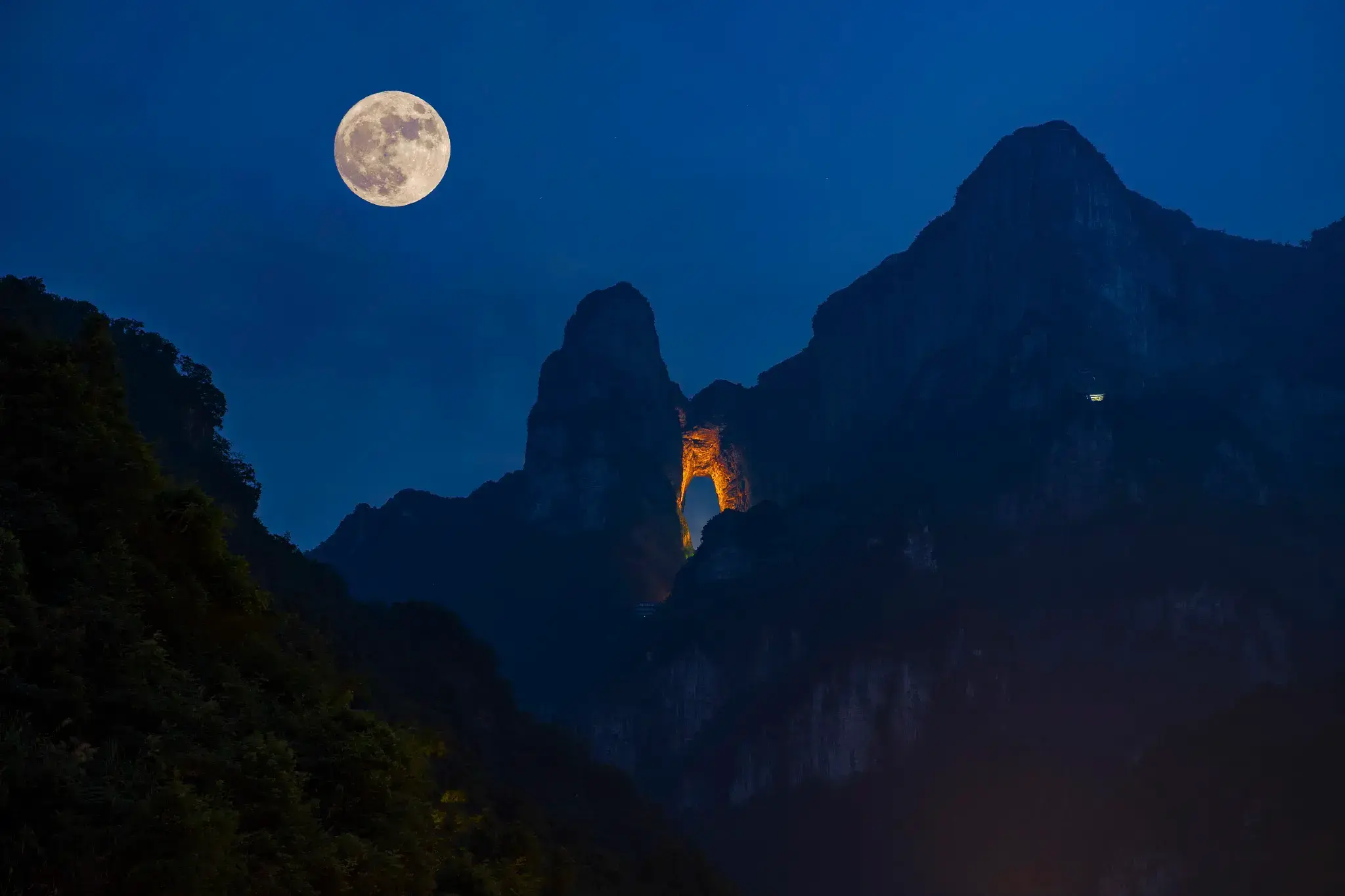 5d $1,430 Above the Pillars, Then Below
 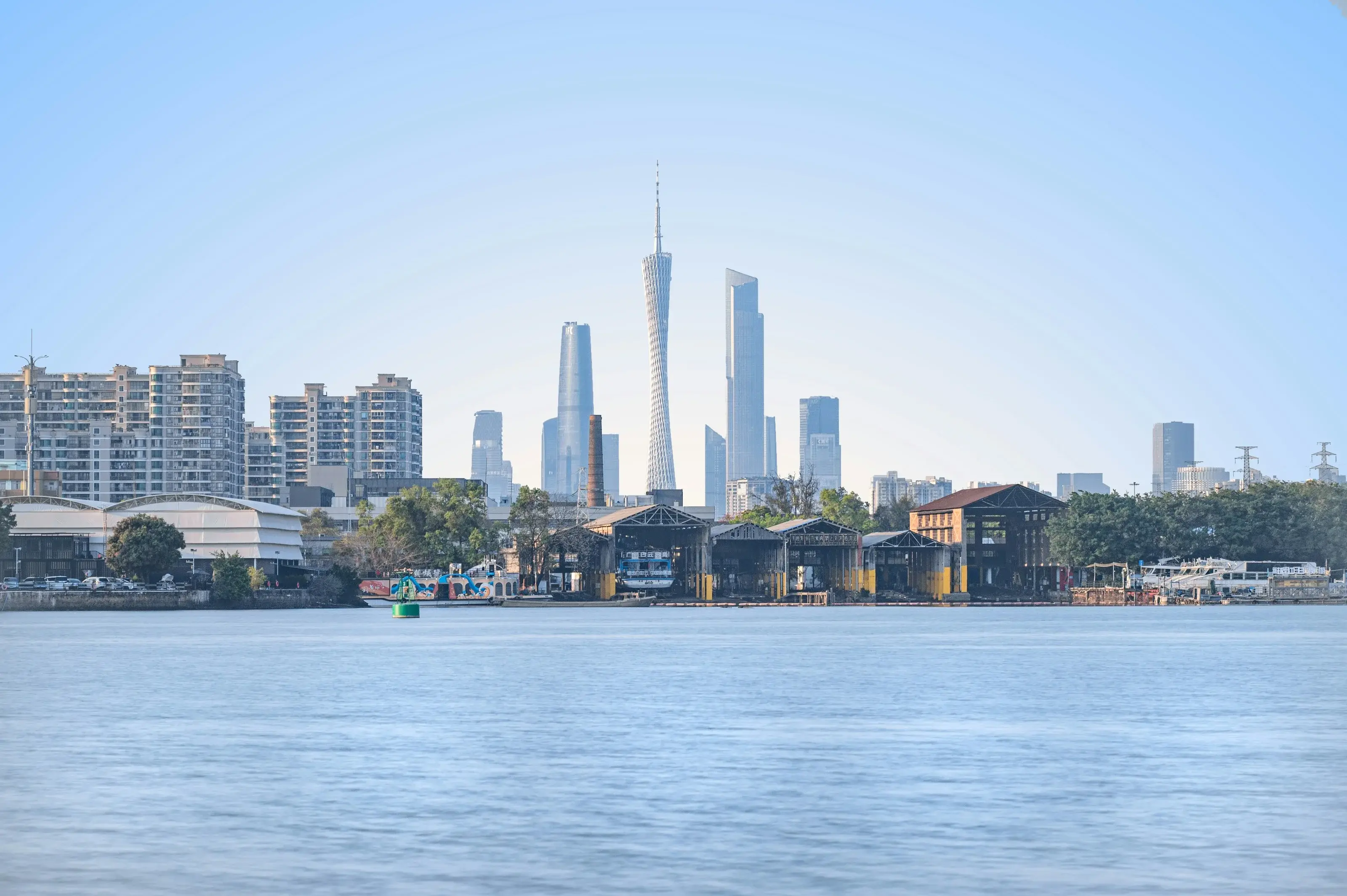 3d $840 After the Last Booth
  13d $3,500 All the Way West
 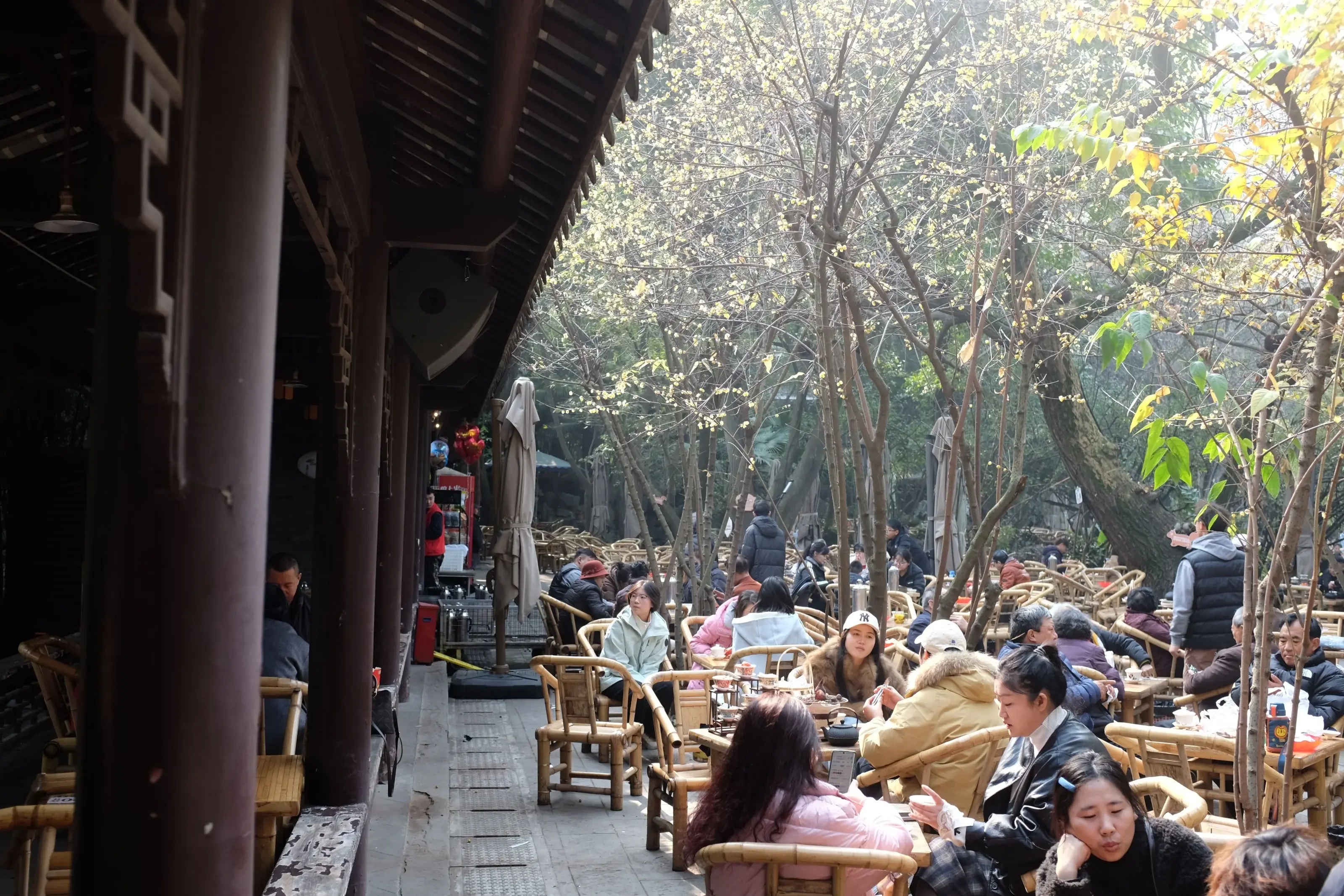 12d $4,060 Axis to Kitchen Table
 Is Guilin Worth Adding to Your China Itinerary?
For many travelers, guilin is worth adding not because it is another major sightseeing city, but because it offers something most China itineraries otherwise lack: space, scenery, and a slower rhythm. If your trip already includes Beijing, Shanghai, Xi’an, or Hong Kong, Guilin introduces a very different side of China-river landscapes, karst peaks, rural backroads, and quieter luxury. It is especially rewarding for couples, photographers, nature lovers, and travelers who prefer private touring over dense urban sightseeing.
On a first trip to China, Guilin works best when you want balance. After several days of imperial landmarks, fast-moving cities, and museum-style touring, the Li River region can feel like a reset. If your priority is iconic scenery rather than adding another city stop such as Chongqing or Shenzhen, Guilin is often the better choice. It is less about ticking off monuments and more about experiencing one of China’s most visually recognizable landscapes in comfort.
For second-time visitors, Guilin often makes even more sense. Travelers who have already seen the headline cities may find the Yangshuo countryside and karst scenery more memorable than another urban destination. This is also a strong region for private custom travel: boutique resorts, scenic drives, soft adventure, and flexible pacing are all easier to enjoy here than in more crowded city-based itineraries.
Set expectations correctly, however. Guilin is not a nightlife destination, and Guilin city itself is usually not the main reason people come. The appeal is the river-and-mountain landscape, the transition into Yangshuo, and the chance to slow down. If that is what you want from your China trip, Guilin can be one of the most satisfying stops on the entire route.
Guilin or Yangshuo: Where Should You Base Yourself?
Guilin city and Yangshuo serve different purposes. Guilin is the transport hub, with the main airport, high-speed rail access, and a practical base for an early Li River departure. Hotels here range from reliable international brands to comfortable upscale city properties. The atmosphere is functional rather than romantic, which makes it suitable for one-night arrivals, short stays, or travelers who value convenience over ambiance.
Yangshuo, by contrast, is where most leisure travelers feel the region becomes special. The setting is more intimate, with karst peaks surrounding river valleys, countryside lanes, boutique resorts, and a more relaxed pace. This is where affluent travelers usually prefer to spend their meaningful time. It is better for scenic downtime, cycling, family-friendly outdoor activities, spa-style stays, and mornings that begin with mountain views rather than city traffic.
For short stays of just one or two nights, basing in Guilin can make sense if logistics are tight and the main goal is simply to take the classic river cruise. For families and first-time visitors with three or more nights, Yangshuo is usually the stronger base. It offers more space, better resort-style lodging, and a calmer environment for private touring. Splitting nights between Guilin and Yangshuo makes the most sense when arrival or departure times require it.
A simple recommendation for most high-end travelers is this:
| Travel Style | Best Base |
|---|---|
| 1-night transit stay | Guilin |
| 2-night quick scenic stop | Guilin + Yangshuo or Yangshuo only |
| 3-4 night leisure trip | Yangshuo |
| Family or slow travel | Yangshuo |
| Tight rail/flight logistics | Guilin first night, then Yangshuo |
For most affluent visitors, one arrival night in Guilin followed by two or more nights in Yangshuo is the most balanced option. It minimizes friction while placing the heart of the stay where the scenery is strongest.
How Many Days Do You Need in Guilin and Yangshuo?
A 2-day Guilin trip works as a short scenic add-on, but it should be planned carefully. In practical terms, this usually means two nights and one full day centered on the Li River, with either an arrival or departure day used for transfer. You can experience the classic Guilin-to-Yangshuo cruise and a brief taste of the countryside, but there will be little time for slower exploration. It suits travelers trying to add a famous landscape stop to a larger China route.
With 3 days in Guilin and Yangshuo, the region becomes far more rewarding. This is often the sweet spot for first-time visitors. You can include the Li River, one or two Yangshuo countryside experiences such as the Yulong River or cycling, and still leave room for a relaxed evening or scenic hotel stay. The trip feels purposeful rather than rushed, and you do not have to treat every transfer as a race against the clock.
A 4-day stay allows for a better balance between headline scenery and slower pacing. You can cruise or drive along the Li River, spend meaningful time in Yangshuo, add a sunrise or sunset viewpoint such as Xianggong Mountain, and include one selective Guilin-area stop. This is ideal for couples, photographers, or travelers investing in a premium private itinerary where the quality of time matters as much as the number of sights.
With 5 days, Guilin shifts from add-on to destination. This gives room for weather flexibility, which is valuable in a landscape region where mist, light, and river conditions can shape the experience. It also suits families who want lighter daily schedules.
A practical guide:
•2 days: quick add-on, Li River focus •3 days: best minimum for most travelers •4 days: ideal for comfort and scenic depth •5 days: best for slow travel, photography, or luxury pacing
The Best Ways to Experience the Li River
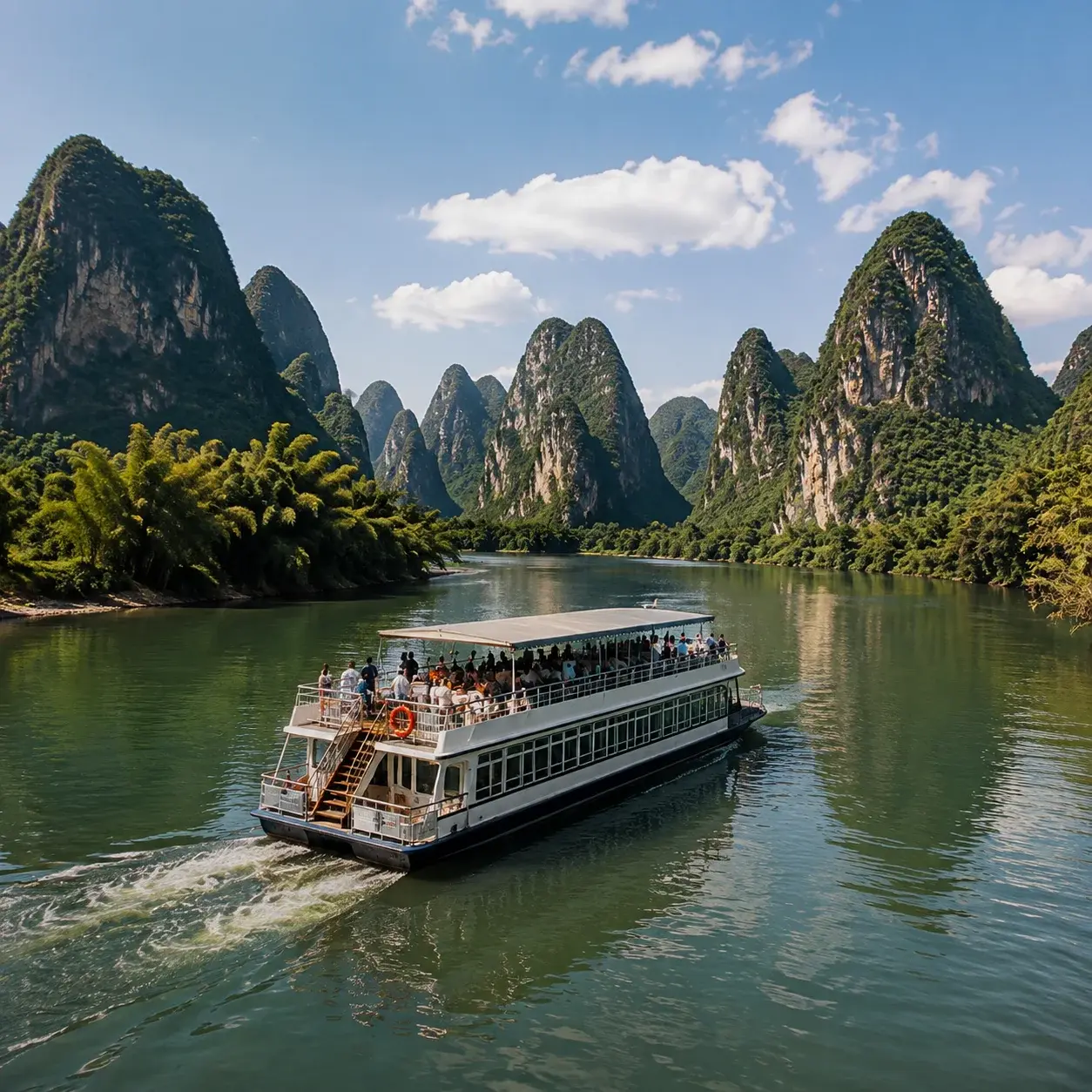
The Li River cruise from Guilin to Yangshuo remains the classic experience, and for most first-time visitors, it is still the right choice. The scenery is not dramatic in a single grand-canyon sense; instead, it unfolds gradually through limestone peaks, bamboo groves, river bends, fishing villages, and mist-softened horizons. This layered rhythm is exactly why the river has become one of China’s signature landscapes. It is the main reason to include Guilin in an itinerary.
Standard cruise boats are convenient and scenic, but they are not inherently luxurious. For affluent travelers, the question is less whether the route is worth it and more how to experience it well. A private guide, smart seat selection, seamless transfers, and a premium hotel stay in Yangshuo can elevate the day significantly. Some travelers also prefer partial private river experiences or scenic road alternatives that offer more flexibility and fewer crowds.
For photographers, the cruise is worthwhile if expectations are realistic. It offers broad landscape immersion rather than total control. If photography is a priority, pairing the cruise with Xianggong Mountain at sunrise or a private countryside session in Yangshuo often produces stronger results. The cruise lets you understand the geography; the smaller excursions let you work with light and composition.
It is also important to distinguish the Li River from other water activities in the region:
| Experience | Best For | Character |
|---|---|---|
| Guilin-Yangshuo Li River cruise | First-time visitors, scenic overview | Classic, iconic, leisurely |
| Private/shorter Li River sections | Flexibility, custom touring | More tailored, less standard |
| Yulong River bamboo rafting | Couples, families, soft adventure | Intimate, gentle, countryside-focused |
The Yulong River is not a substitute for the Li River. It is smaller, quieter, and closer to the rice fields and village landscapes of Yangshuo. Ideally, travelers with enough time experience both.
Guilin’s Highlights Beyond the Li River
Beyond the river itself, the most worthwhile experiences are those that deepen the landscape rather than distract from it. In Yangshuo, the strongest additions are usually the Yulong River, Xianggong Mountain, and countryside exploration by bike, e-bike, or private car. These are not checklist attractions so much as ways of moving through the scenery. They work especially well for couples and families because they combine visual beauty with gentle activity and flexible pacing.
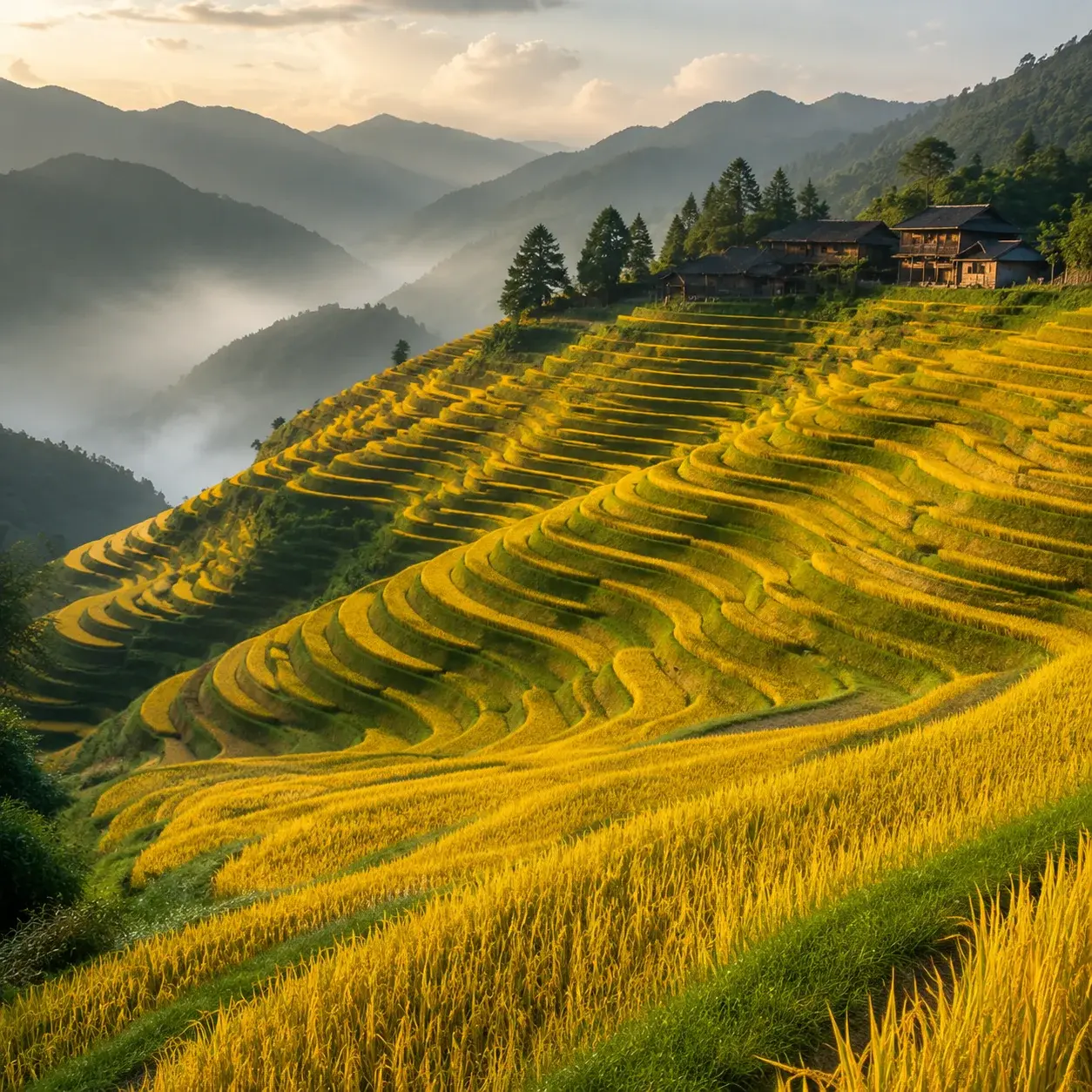
The Yulong River is often the favorite secondary experience. Compared with the broader Li River, it feels more intimate, with lower bridges, bamboo rafts, village edges, and karst peaks rising close to the fields. Cycling or driving through the countryside nearby gives travelers the chance to see another texture of the region: farms, narrow lanes, seasonal greenery, and a softer daily rhythm than in town. This is where Yangshuo often becomes memorable rather than merely picturesque.
Xianggong Mountain is one of the few truly high-value viewpoint stops, particularly for early risers and photographers. The climb is manageable, and the reward is one of the classic panoramas over the Li River and surrounding peaks. For limited-time visitors, this is one of the better “extra” experiences because it adds a different perspective to the river landscapes you see from below.
If time is short, keep Guilin-area city attractions selective. Reed Flute Cave and Elephant Trunk Hill are well known, but they are usually secondary compared with the river and Yangshuo countryside. A practical priority list looks like this:
•Must-do: Li River, Yangshuo countryside •Strong add-ons: Yulong River, Xianggong Mountain •Optional extras: Guilin city sights, evening shows, minor scenic parks
Best Time to Visit Guilin and Seasonal Trade-Offs
Spring and autumn are generally the best times to visit guilin, especially for travelers seeking a comfortable balance of scenery, temperature, and manageable crowds. Spring brings lush greenery, atmospheric mist, and photogenic river conditions, though rainfall can be frequent. For many travelers, that mist is not a drawback at all-it is part of the poetic quality of the karst landscape. The trade-off is unpredictability, so flexible private touring becomes especially useful.
Summer offers rich green scenery and family-friendly school-holiday timing, but it is also warmer, more humid, and often busier. River landscapes can still be beautiful, especially after rain, yet midday comfort may be lower for travelers planning active countryside time. Families who travel in summer usually benefit from slower schedules, good resort facilities, and early starts for outdoor activities before the heat builds.
Autumn is often the safest all-around recommendation. Temperatures are usually more comfortable, skies may be clearer, and the region is well suited to walking, rafting, and scenic drives. For couples and first-time travelers, this season often delivers the best balance of ease and beauty. Winter, meanwhile, is underrated. While it is cooler and less lush, it can be wonderfully peaceful, with lower crowd levels and a more spacious feel at popular viewpoints.
Seasonal priorities can be summarized simply:
| Season | Best For | Trade-Offs |
|---|---|---|
| Spring | Misty scenery, photographers | Rain, variable conditions |
| Summer | Families, vivid greenery | Heat, humidity, more crowds |
| Autumn | Most travelers, couples | Peak travel dates can be busy |
| Winter | Space, lower rates, calm pacing | Cooler weather, less lush scenery |
Off-season travel appeals strongly to travelers who value privacy, easier hotel availability, and a more contemplative atmosphere.
Getting to Guilin and Moving Around the Region
Guilin is relatively easy to reach within China, either by flight or high-speed rail. For most international travelers, it is usually connected through a larger gateway rather than used as the first arrival point in the country. From Hong Kong, Guilin works especially well by high-speed rail or flight, making it a strong pairing for travelers combining urban sophistication with scenic China. From Shanghai and Beijing, flights are usually the most time-efficient choice, though rail can suit longer, slower itineraries.
From Xi’an and Chengdu, Guilin is also straightforward, typically by domestic flight or selected rail routes depending on timing. In route-planning terms, Guilin fits best as a mid-journey scenic break rather than as a difficult outlier. It slots naturally between major city destinations and can help soften a trip that might otherwise feel too urban or monument-heavy.
Once in the region, private ground transfers add real value. Getting from Guilin city to the Li River cruise pier, from the pier to Yangshuo hotels, or between countryside sights is much smoother with dedicated transport. Public transport exists, but it rarely matches the comfort, efficiency, or flexibility expected by luxury travelers, especially when luggage, family needs, or early starts are involved.
A practical movement pattern is often:
•Arrive in Guilin by rail or air •Overnight in Guilin only if necessary •Transfer to Li River cruise or direct scenic touring •Continue to Yangshuo for the main stay •Depart via Guilin or, in some cases, onward transport from Yangshuo area connections
How to Link Guilin with Other China Destinations
Guilin pairs best with classic first-time China destinations that are culturally rich but urban in feel. A route such as Beijing - Xi’an - Guilin/Yangshuo - Shanghai works very well because Guilin introduces landscape and slower pacing after two history-heavy stops. It also fits naturally with Hong Kong, especially for travelers wanting a polished finish or beginning to their China trip. The contrast between river scenery and international city energy is particularly effective.
With Chengdu, Guilin creates a softer nature-and-culture combination. Chengdu offers pandas, food, and a relaxed city atmosphere; Guilin adds iconic scenery and countryside time. With Shanghai, Guilin serves as a strong counterweight to a sleek, metropolitan stop. With Beijing, it brings balance after imperial sites and fast-paced touring. The key is not simply geography, but contrast: Guilin works because it changes the emotional rhythm of the trip.
As a rule, Guilin works best as a 2-3 night stop when inserted into a broader classic China itinerary. That is enough for the Li River and a taste of Yangshuo without overcommitting time. If nature, photography, or resort-style pacing are central priorities, extend to 4-5 nights. If your itinerary is already packed with long transfers, keeping Guilin concise usually protects the overall flow.
Good pairing logic includes:
•First trip: Beijing, Xi’an, Guilin, Shanghai •Scenic + city: Hong Kong, Guilin, Shanghai •Relaxed culture + nature: Chengdu, Guilin, Hong Kong •Luxury custom trip: Beijing, Xi’an, Guilin/Yangshuo, Shanghai, Hong Kong
Sample Guilin Itineraries for Different Travel Styles
A fast 2-night Guilin and Yangshuo trip is best for travelers with limited time. Arrive in Guilin on day one, overnight near the city if needed, then take the Li River cruise to Yangshuo on day two. Spend the afternoon in the countryside, perhaps with a gentle Yulong River experience, and depart on day three. This version is efficient, but it works only if transfers are well managed and expectations remain focused on one headline landscape experience.
A more balanced 3- to 4-night itinerary is ideal for most travelers. Day one is arrival in Guilin and transfer onward to Yangshuo if timing permits. Day two is the Li River experience. Day three focuses on Yangshuo countryside-cycling, bamboo rafting, or a private scenic drive. Day four can include Xianggong Mountain, a relaxed morning at a resort, or a selective Guilin-area stop before departure. This version offers both the iconic river and the slower texture of the region.
For a slower luxury stay, consider 4 to 5 nights with premium accommodations in Yangshuo. Build in time for sunrise views, spa or pool downtime, flexible weather-based touring, private dining, and unhurried countryside exploration. This is especially appealing for couples, anniversary trips, and travelers who prefer fewer hotel changes. Families also benefit, as children usually enjoy the outdoor rhythm more when the pace is not overstructured.
A simple style-based guide:
| Travel Style | Recommended Stay | Focus |
|---|---|---|
| Couples | 3-5 nights | Li River, viewpoints, boutique resort time |
| Families | 3-4 nights | Soft outdoor activities, roomy hotel, gentle pacing |
| Photographers | 4-5 nights | Mist, sunrise viewpoints, flexible light conditions |
| First-time China trip | 2-3 nights | Li River + Yangshuo highlights |
| Custom luxury itinerary | 4 nights | Private transfers, premium stays, scenic balance |
FAQ
Is Guilin worth visiting on a first trip to China?
Yes, especially if you want scenic contrast within a trip that otherwise focuses on major cities and historical sites. Guilin is one of the best additions for travelers who value landscapes, slower pacing, and private touring comfort.
Should I stay in Guilin or Yangshuo?
Most leisure travelers should stay in Yangshuo for the main part of the trip. Guilin is more practical for transport logistics, while Yangshuo offers the better atmosphere, scenery, and resort-style experience.
How many days should I spend in Guilin and Yangshuo?
Three days is a strong minimum for most travelers. Two days can work as a quick add-on, while four to five days are better for slow travel, photography, or a more luxurious pace.
Is the Li River cruise worth it?
Yes. For first-time visitors, it remains the defining experience of the region. The key is to pair it with good logistics and realistic expectations: it is about immersive scenery and atmosphere, not extreme adventure or ultra-luxury onboard service.
What is the best time of year to visit Guilin?
Spring and autumn are generally the best seasons. Spring offers misty, atmospheric landscapes, while autumn usually brings the best balance of comfort and scenery. Winter is a good low-crowd option, and summer suits travelers comfortable with heat and humidity.
Can Guilin be combined easily with Hong Kong, Shanghai, Beijing, Xi’an, or Chengdu?
Yes. Guilin connects well by air and rail and fits naturally into classic China routes. It works particularly well as a 2-3 night scenic stop between larger urban destinations.
Is Guilin a good destination for luxury or private travel?
Very much so. Guilin and Yangshuo are well suited to private transfers, curated sightseeing, boutique and resort stays, and slower scenic pacing. The region is especially strong for couples, families, and travelers designing custom China itineraries around comfort and landscape.