



 18d $6,360 China, End to End
  5d $1,430 Above the Pillars, Then Below
  3d $840 After the Last Booth
  13d $3,500 All the Way West
  12d $4,060 Axis to Kitchen Table
 Which apps are blocked, which VPNs still work reliably, and the eSIM setup that takes friction out of the first afternoon.
Before arrival
Install VPNs, maps, translators, and backup messaging apps before landing. Some app stores and websites are harder to reach once you are already in China.
eSIM or local SIM
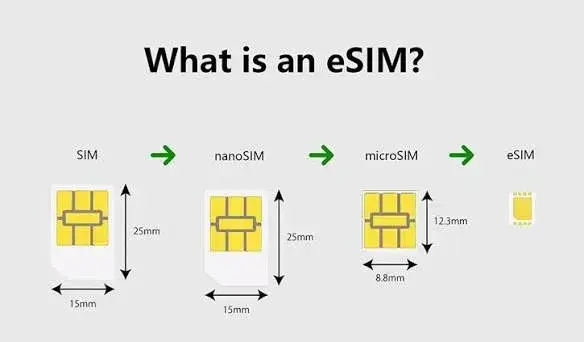
An international eSIM is the fastest start. A local number unlocks deeper domestic services, but it takes more setup.
Daily reliability
Keep at least two connection options: hotel Wi-Fi plus mobile data, or a primary VPN plus a backup app.
FAQ
Should I install a VPN before arriving in China?
Yes. Install and test any VPN or firewall workaround before departure because some app stores and provider websites are harder to reach after arrival.
Is an eSIM enough for a short China trip?
For many visitors, an international eSIM is the quickest first setup. A local SIM can help with deeper domestic services but takes more time.
Which apps should I prepare before landing?
Prepare maps, translation, payment, messaging, airline, hotel, and backup connectivity apps before you fly.
Will hotel Wi-Fi solve internet access?
Hotel Wi-Fi is useful, but you should still carry mobile data because transport, payments, and translation often happen away from the hotel.
Do I need a Chinese phone number?
Not always, but a Chinese number can make some bookings, deliveries, and mini-program verification smoother on longer trips.
What is a reliable internet backup plan?
Keep two connection paths, such as mobile data plus hotel Wi-Fi, and at least one backup communication channel in case one service fails.