



 18d $6,360 China, End to End
  5d $1,430 Above the Pillars, Then Below
  3d $840 After the Last Booth
 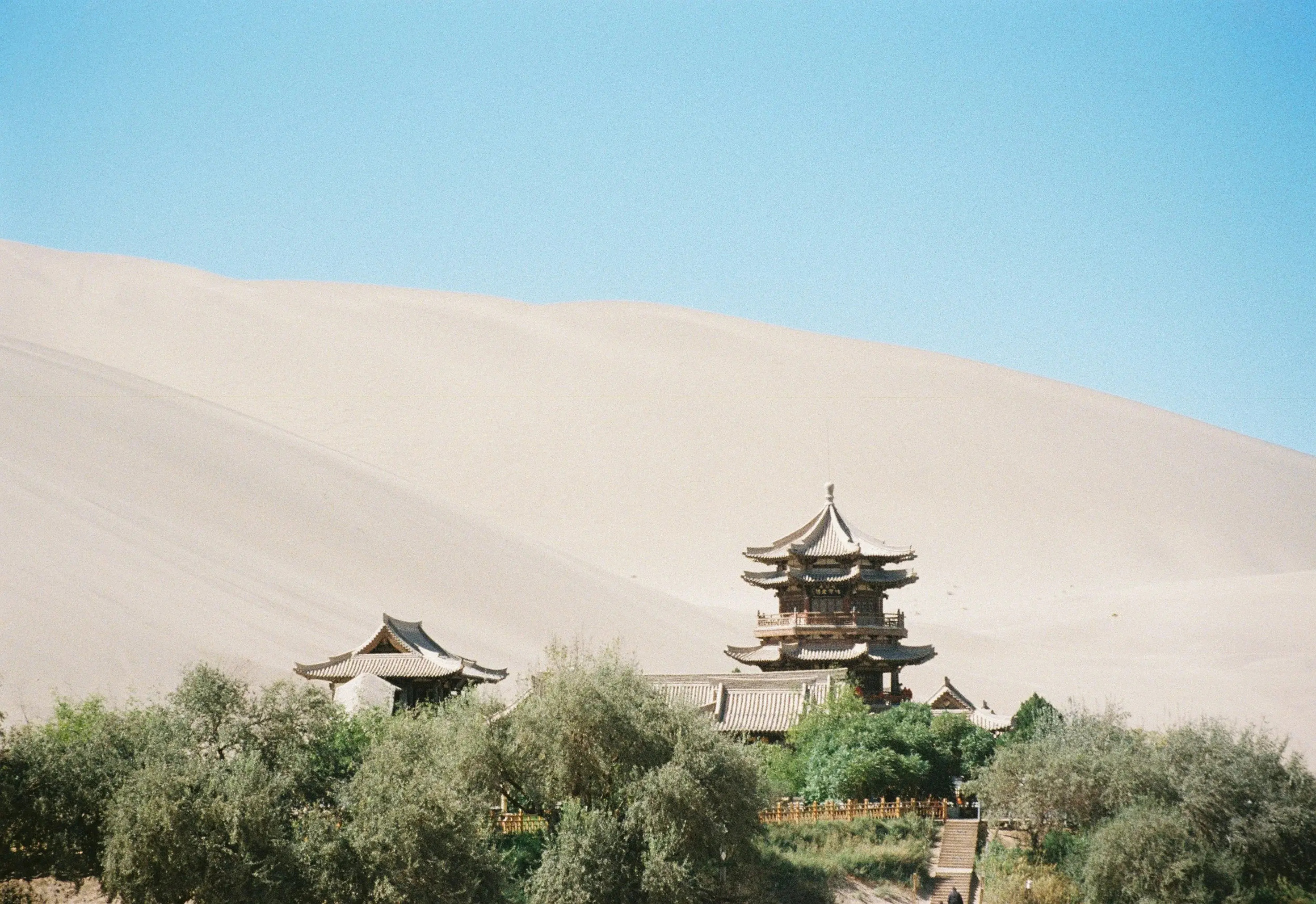 13d $3,500 All the Way West
  12d $4,060 Axis to Kitchen Table
 Beijing is China's grand historical center. Shanghai is its fast-paced financial hub. Chengdu, however, is where the whole country goes to relax. Located in the fertile Sichuan Basin, Chengdu operates on a completely different rhythm. Here, locals measure success not just by productivity, but by the quality of an afternoon tea and the spice of an evening hotpot. A comprehensive Chengdu travel guide is essential for first-time travelers. The city is easy to navigate, but you need to slow down to find its best experiences. You cannot rush a bamboo chair tea session, and you certainly cannot rush a panda. You might come for the world-famous wildlife or the UNESCO-recognized gastronomy. You might just want to catch your breath midway through a busy China tour. Whatever your reason, Chengdu delivers a unique atmosphere you will not find anywhere else in the country. This guide covers the best things to do in Chengdu, practical planning advice, and how to structure your days.
Why Chengdu Feels Different
In many major Chinese cities, the streets hum with constant motion. In Chengdu, the defining sound is the clatter of mahjong tiles and the pour of hot water into porcelain teacups. Locals root their philosophy deeply in "slow living." The city has grown into a massive, modern metropolis with a booming tech industry. Yet, its cultural heart remains stubbornly laid-back. Locals take their leisure time seriously. Parks are not just for passing through. They serve as outdoor living rooms. People spend entire afternoons here chatting, sipping tea, and getting their ears cleaned by traditional practitioners. When planning your trip, understand that the true appeal of Chengdu lies in this atmosphere. The headline attractions are spectacular. However, the quiet moments between them make the city truly memorable. Think of a peaceful walk through a bamboo grove or a lingering dinner.
Top Things to Do in Chengdu
While the vibe is relaxed, the list of Chengdu attractions is extensive. Here are the experiences that should anchor your visit.
Visit the Giant Pandas
Many travelers visit the city primarily to see the Chengdu Panda Base (Chengdu Research Base of Giant Panda Breeding). Located just outside the city center, this facility mimics the pandas' natural habitat. Arrive right when the gates open at 7:30 AM. Pandas are most active in the morning. They eat bamboo and play before sleeping through the afternoon heat.
Wander Through People’s Park (Renmin Park)
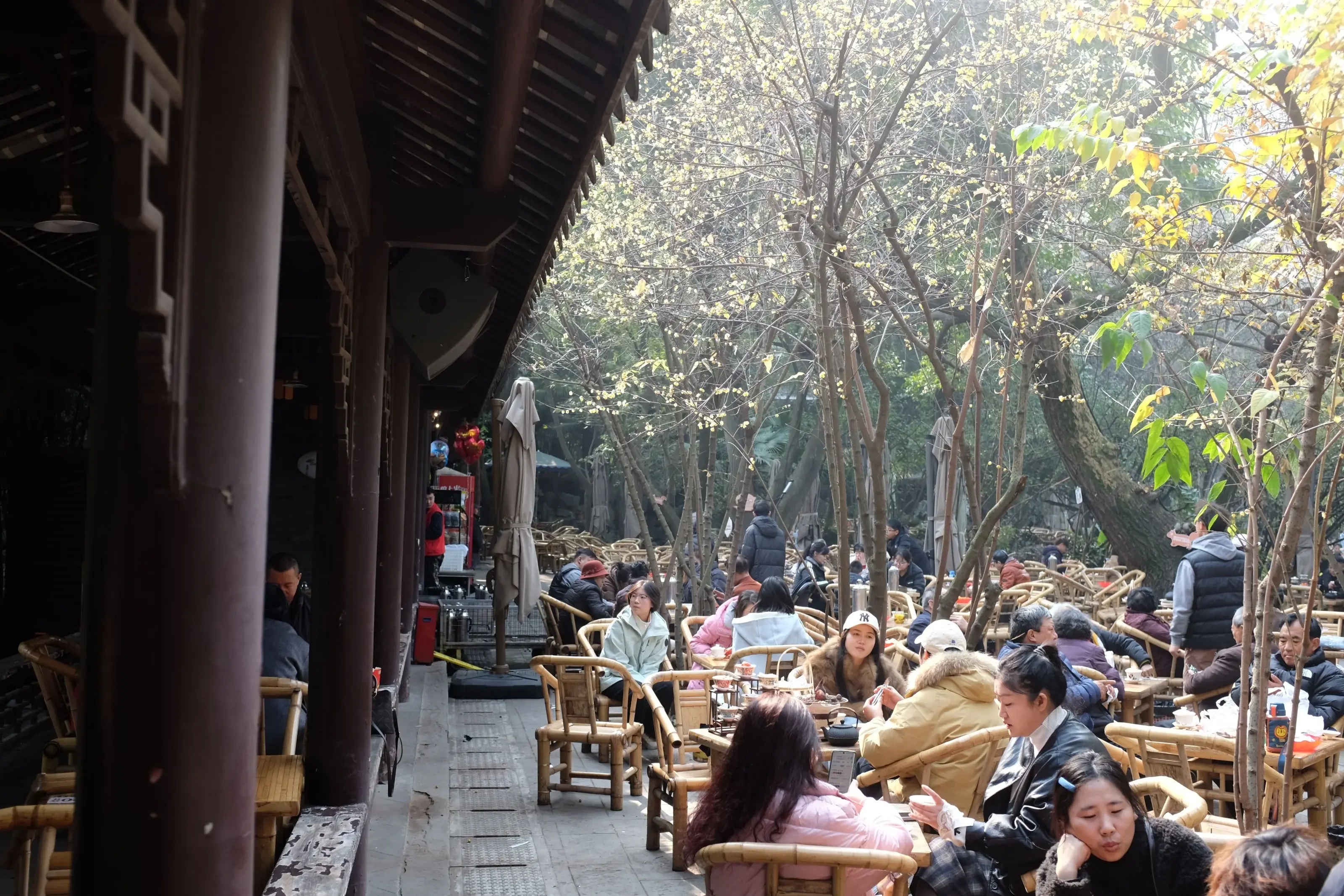
If you want to understand Chengdu, spend a couple of hours here. Rent a rowboat, watch locals practice tai chi, and secure a bamboo chair at Heming Teahouse. Ordering a cup of jasmine tea here is a quintessential Chengdu experience.
Explore Wuhou Shrine and Jinli Street
Wuhou Shrine offers a deep dive into China’s Three Kingdoms period, featuring peaceful gardens and ancient architecture. Right next door is Jinli Street. Jinli Street is undeniably commercialized. Still, its red lanterns, traditional facades, and endless street food stalls make it a highly photogenic spot for an evening stroll.
Walk the Wide and Narrow Alleys (Kuanzhai Xiangzi)
These beautifully restored Qing Dynasty streets offer a polished look at ancient Chengdu. It is an excellent place to admire traditional courtyard architecture, browse boutique shops, and sample local snacks.
Discover Dufu Thatched Cottage
The former residence of Du Fu, one of China’s greatest poets, is now a sprawling, tranquil park. It is less crowded than other major sites and offers a serene escape into classical Chinese landscaping and literature.
A Realistic 2-Day or 3-Day Chengdu Itinerary
When deciding how many days in Chengdu you need, two full days is the absolute minimum to see the highlights. Three days allows you to take a day trip or simply embrace the local slow pace. Here is a practical Chengdu itinerary.
Day 1: Pandas and Parks
- Morning: Arrive at the Chengdu Panda Base at 7:30 AM. Spend three hours watching the pandas and red pandas. - Lunch: Head back to the city center for a bowl of traditional Dan Dan noodles. - Afternoon: Walk through People’s Park. Sit at Heming Teahouse for a few hours of tea and people-watching. - Evening: Experience a traditional Sichuan Opera, which features the famous "face-changing" (Bian Lian) performance.
Day 2: History, Alleys, and Spice
- Morning: Visit Wuhou Shrine to take in the quiet morning atmosphere. - Lunch: Grab street food along Jinli Street. - Afternoon: Explore the Wide and Narrow Alleys. Take your time wandering through the courtyards. - Evening: Commit to a full Sichuan hotpot dinner. Ask your hotel to book a table at a reputable local spot.
Day 3: The Giant Buddha (Optional Day Trip)
- All Day: Take the high-speed train to Leshan to see the Leshan Giant Buddha. Return to Chengdu by late afternoon for a final relaxing dinner along the Jinjiang River.
Pandas, Tea Houses, and Sichuan Food
To master Chengdu, you need to understand its holy trinity: pandas, tea, and food.
The Panda Reality
The Chengdu Panda Base is massive and involves significant walking. The Chengdu Panda Base requires advance booking. Staff tie your tickets directly to your passport. Do you want a less crowded, more naturalistic experience? Consider the Dujiangyan Panda Base. It sits about an hour outside the city.
The Tea House Culture
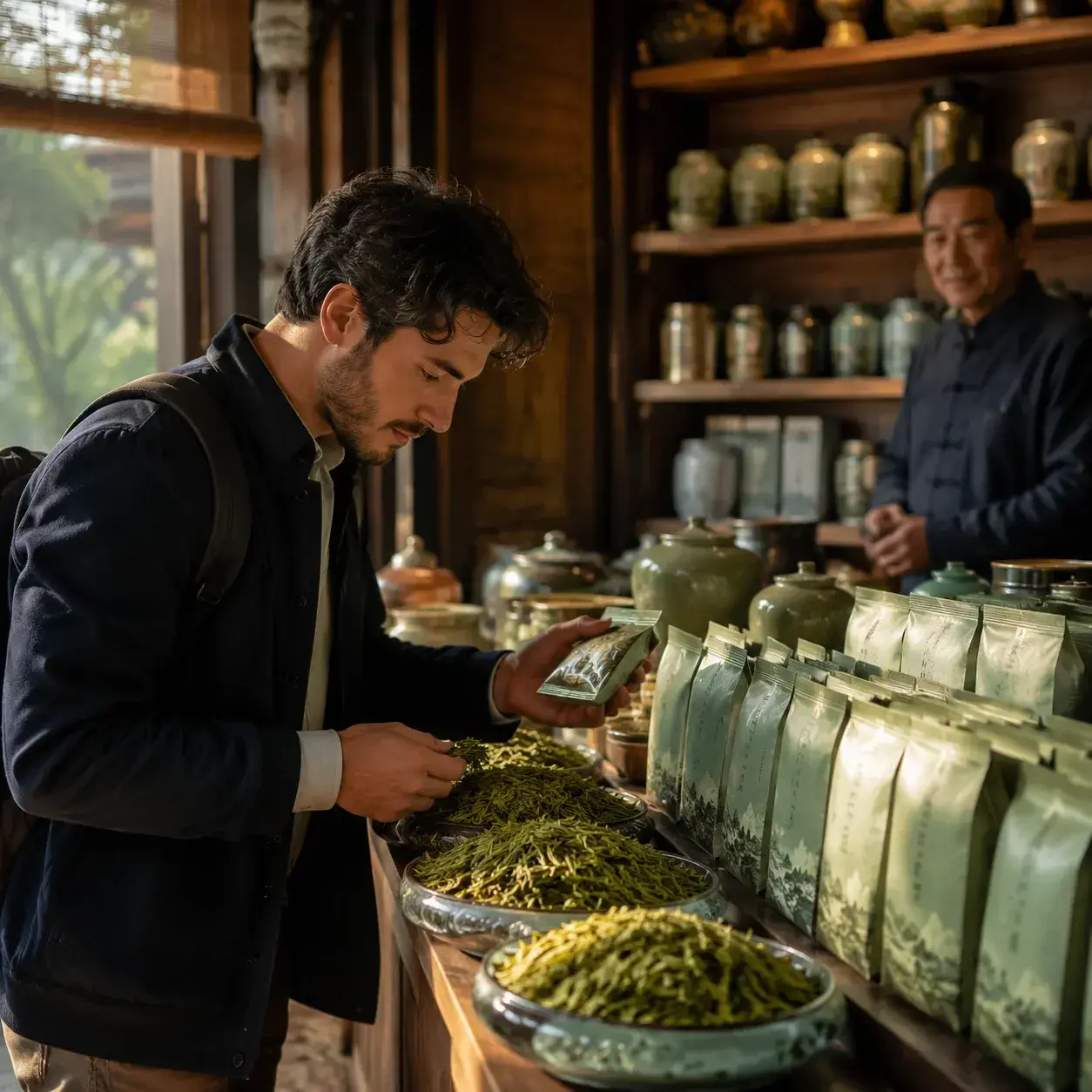
A tea house in Chengdu is not a cafe. It is a social institution. You pay for the tea leaves, and the staff will continuously refill your cup with hot water from a long-spouted copper kettle. There is no rush to leave. It is perfectly acceptable to sit for three hours reading a book or chatting.
Navigating Sichuan Cuisine
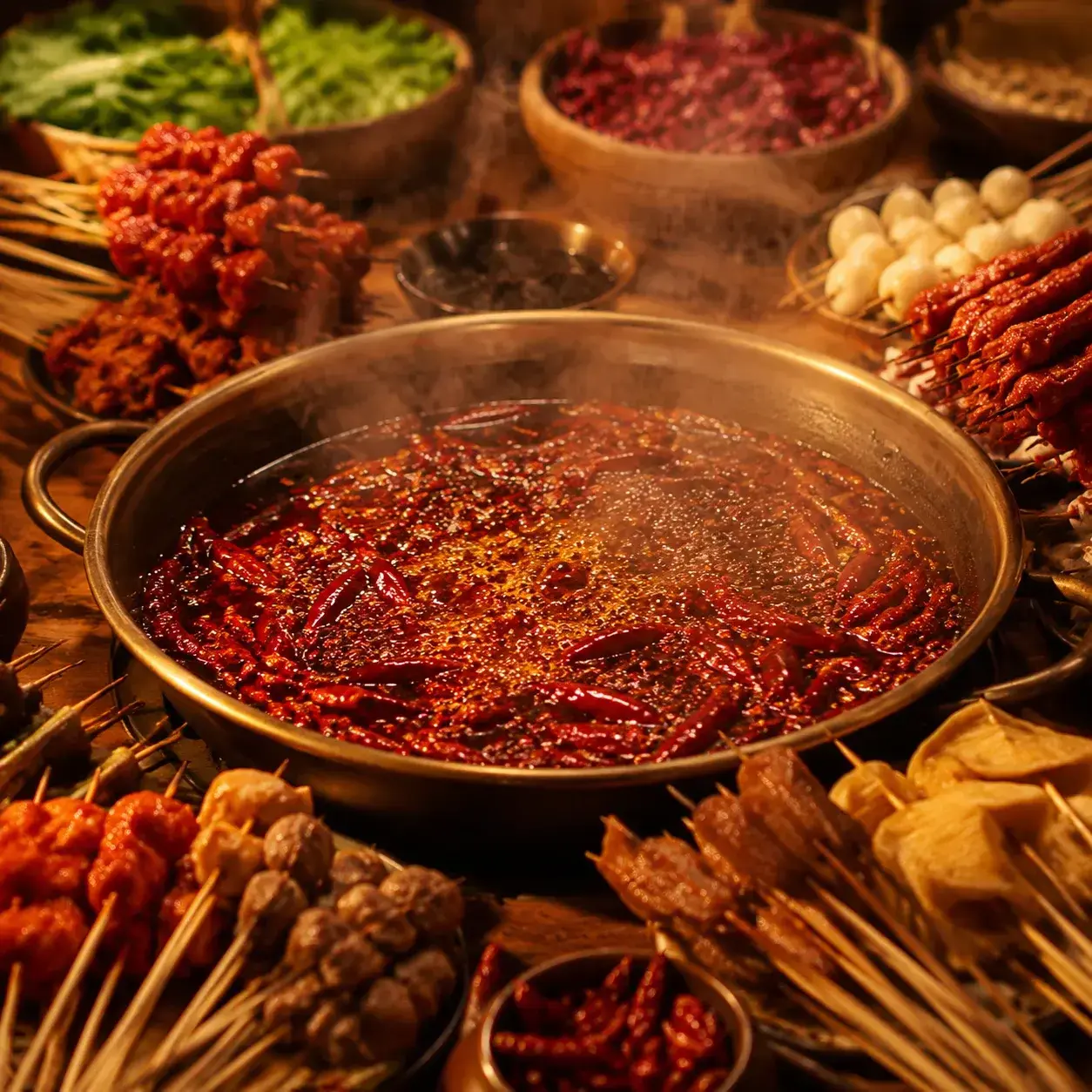
Chengdu is a UNESCO City of Gastronomy. Sichuan cuisine is famous for its "málà" (numbing and spicy) flavor. Chefs create this signature taste by combining Sichuan peppercorns and dried chilies. However, the cuisine is highly complex and not everything is fiery. Try Mapo Tofu, Kung Pao Chicken, and sweet ice jelly (Bingfen) to cool your palate. If you cannot handle spice, learn the phrase "bù là" (not spicy). Just remember that a local's definition of mild might still pack a punch.
Day Trips from Chengdu
Chengdu serves as an excellent base for exploring the wider Sichuan province.
Visiting the Leshan Buddha from Chengdu
The Leshan Giant Buddha is a 71-meter-tall stone statue carved out of a cliff face facing the confluence of three rivers. It is the largest stone Buddha in the world. You can reach Leshan via a short high-speed train ride. Once there, you can either hike down the cliffside stairs to view the Buddha from its feet or take a short river cruise to see it from the water.
Mount Qingcheng and Dujiangyan
Mount Qingcheng sits about an hour away. As one of the birthplaces of Taoism, it offers lush, mist-shrouded hiking trails. You will find the Dujiangyan Irrigation System nearby. Builders constructed this engineering marvel over 2,000 years ago. It still controls the waters of the Min River today.
Practical Information
Getting Around
Chengdu has a highly efficient, clean, and extensive metro system with English signage. It is the best way to avoid the city's notorious rush-hour traffic. Taxis and ride-hailing apps (like Didi) are also cheap and plentiful.
Where to Stay
Stay near Chunxi Road or Tianfu Square. These areas put you within walking distance of major metro lines, shopping, and excellent dining. First-time visitors will find the Jinjiang District or Qingyang District very convenient.
Language
While English is spoken in international hotels and major tourist sites, the local dialect (Sichuanese) is dominant. Download a translation app and have your hotel write down your destinations in Chinese characters.
Best Time to Visit Chengdu
The best time to visit Chengdu is during the spring (March to May) and autumn (September to November). During these months, the weather is mild and comfortable, perfect for outdoor tea drinking and walking. Summer (June to August) in the Sichuan Basin is hot, highly humid, and prone to heavy rain. If you visit in summer, plan your outdoor activities for the early morning. Winter (December to February) is generally mild but damp and overcast. However, it is a fantastic time to eat spicy hotpot.
Combine Chengdu With...
Chengdu is deeply rewarding on its own. Furthermore, its central location and excellent transit connections make it a perfect mid-point in a broader China itinerary.
Beijing + Xi’an + Chengdu
The classic first-timer route. Start with the Great Wall and Forbidden City in Beijing. Next, take the high-speed train to see the Terracotta Warriors in Xi’an. Finally, relax with pandas and hotpot in Chengdu.
Chengdu + Jiuzhaigou
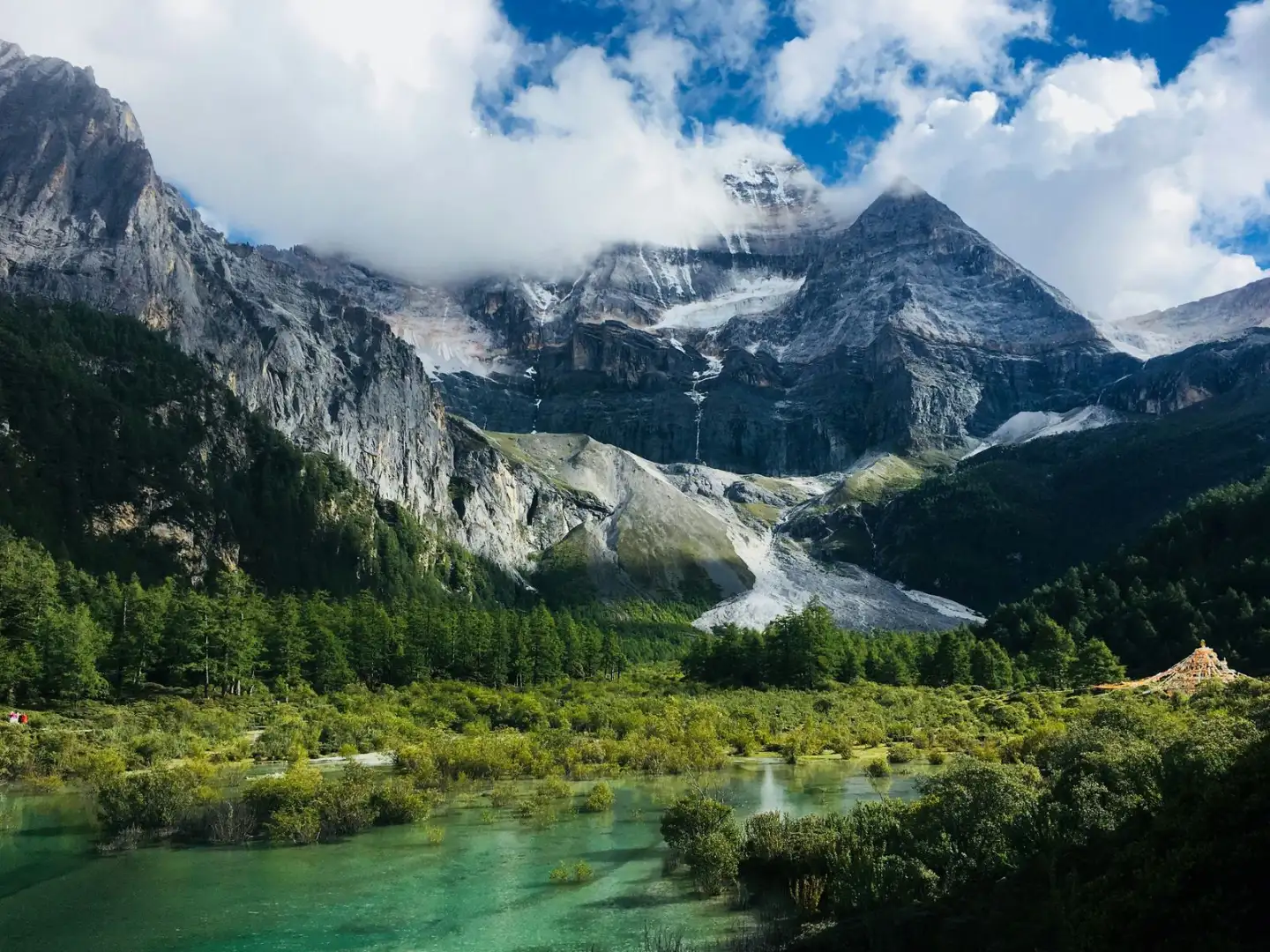
For nature lovers. Spend a few days enjoying Chengdu’s urban comforts. Then, fly or take the new high-speed train to Jiuzhaigou National Park. This high-altitude alpine valley is famous for its multi-colored lakes and waterfalls.
Chengdu + Zhangjiajie + Shanghai
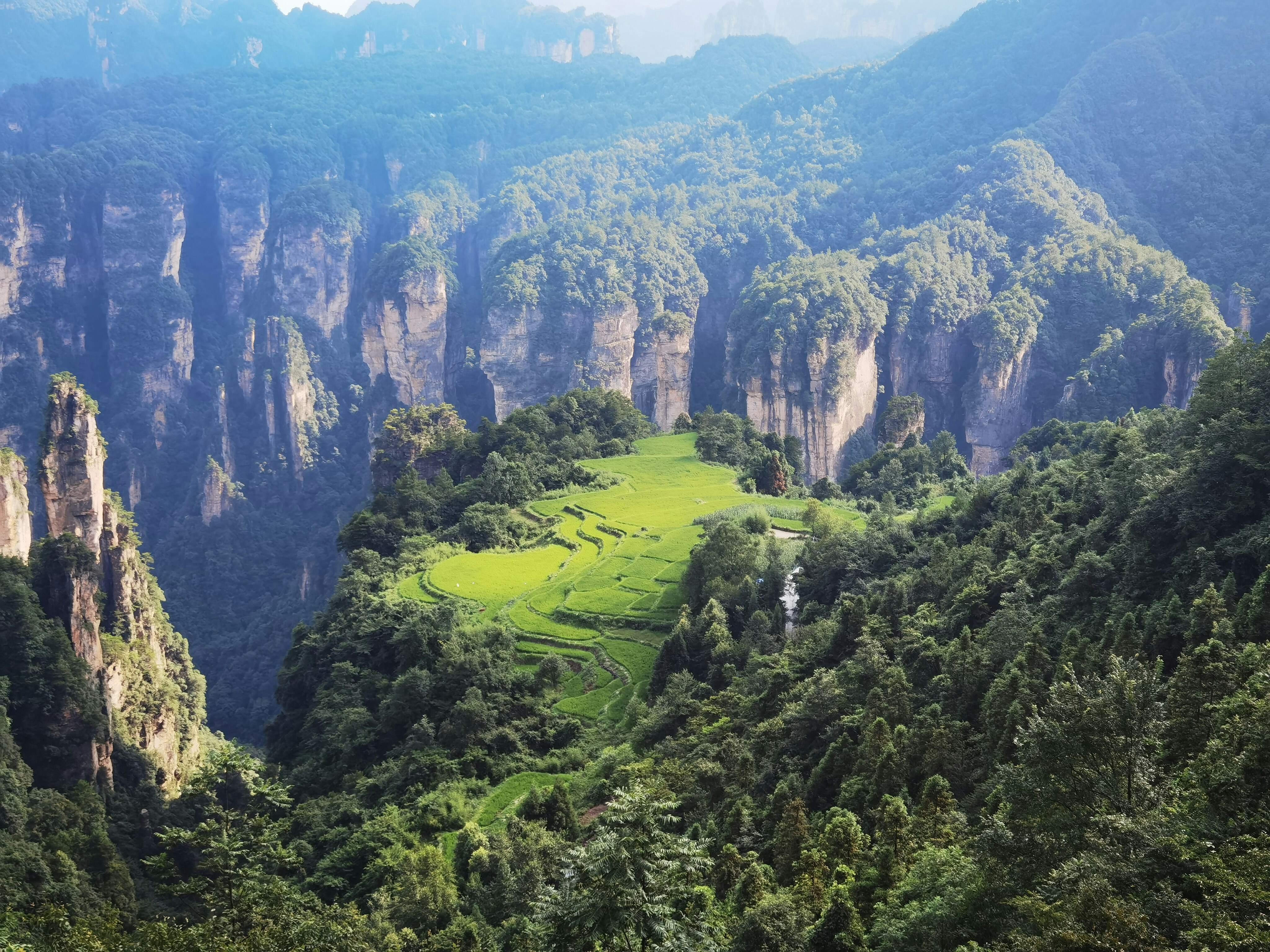
A contrast of landscapes and pacing. Start with the relaxed tea culture of Chengdu. Then, visit the towering sandstone pillars of Zhangjiajie (the "Avatar mountains"). Finally, end your trip under the futuristic skyline of Shanghai.
FAQ
Do I need to book panda base tickets in advance?
Yes. The Chengdu Panda Base requires advance booking. During peak seasons or holidays, tickets can sell out days in advance.
Is all food in Chengdu extremely spicy?
No. Sichuan cuisine is famous for its heat, but you can find many non-spicy dishes. Try sweet and sour ribs or various clear broths. You can also ask restaurants to make twice-cooked pork mild. Cross-contamination with spicy oils in kitchens is common, so communicate clearly if you have zero spice tolerance.
How many days in Chengdu is enough?
Two full days is the minimum to see the pandas, visit a tea house, and explore the main historical streets. Three to four days is ideal if you want to include a day trip to the Leshan Giant Buddha or Mount Qingcheng.
Can I hold a panda in Chengdu?
No. Authorities strictly prohibit holding or touching pandas across all panda bases in China. This rule protects the animals from disease and stress. You can only observe them from designated viewing areas.
How do I get to the Leshan Buddha from Chengdu?
The most efficient way is taking a high-speed train. You can depart from Chengdu East Railway Station or Chengdu South Railway Station. The ride to Leshan Railway Station takes about 45 to 60 minutes. From there, you can take a local bus or taxi to the scenic area.
Is Chengdu safe for foreign travelers?
Yes, Chengdu is incredibly safe. Violent crime is extremely rare. Chengdu is like any major global city. Simply keep an eye on your belongings in crowded areas like Jinli Street or on the metro. This simple habit prevents pickpocketing.