



 18d $6,360 China, End to End
  5d $1,430 Above the Pillars, Then Below
 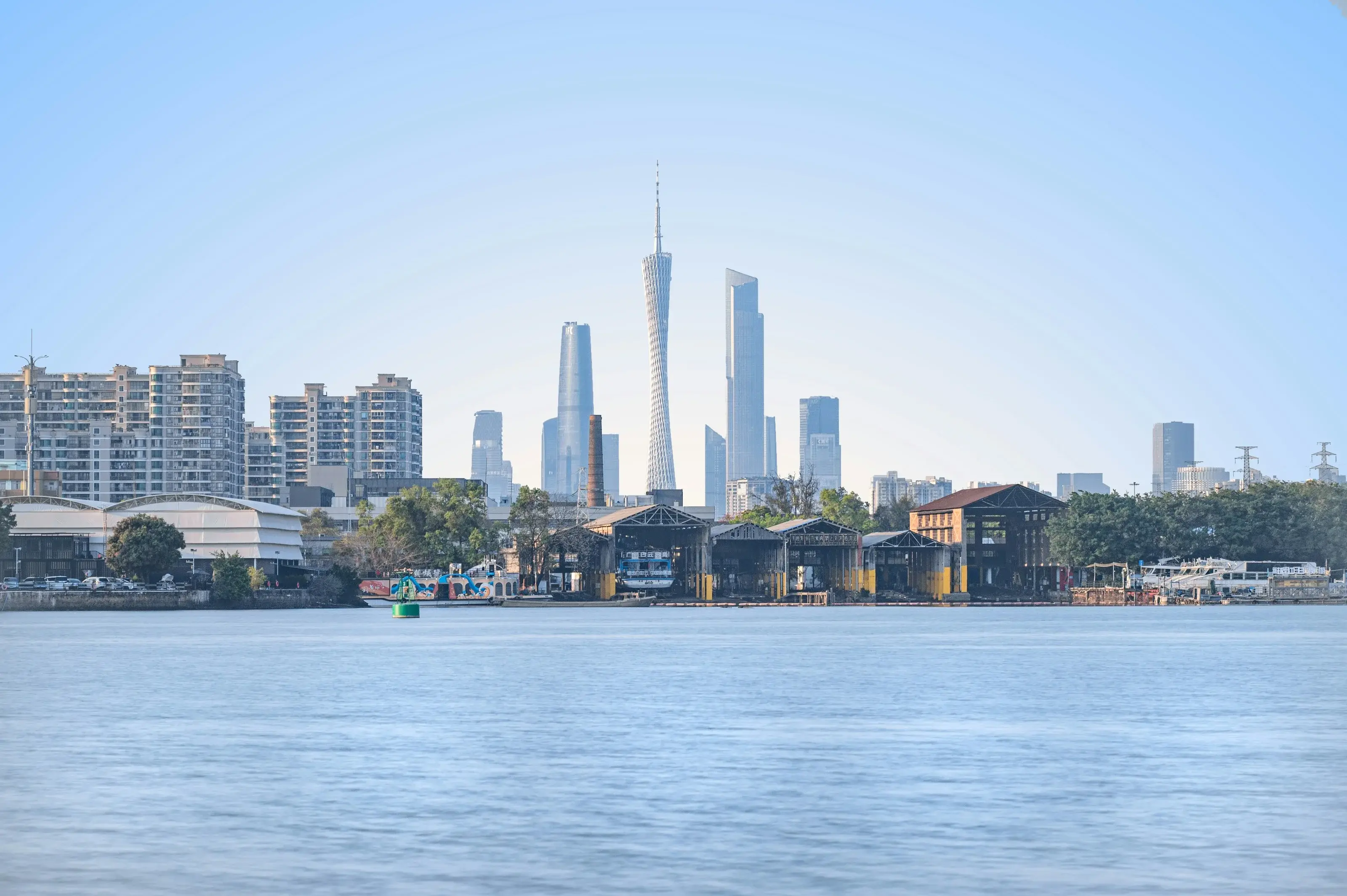 3d $840 After the Last Booth
 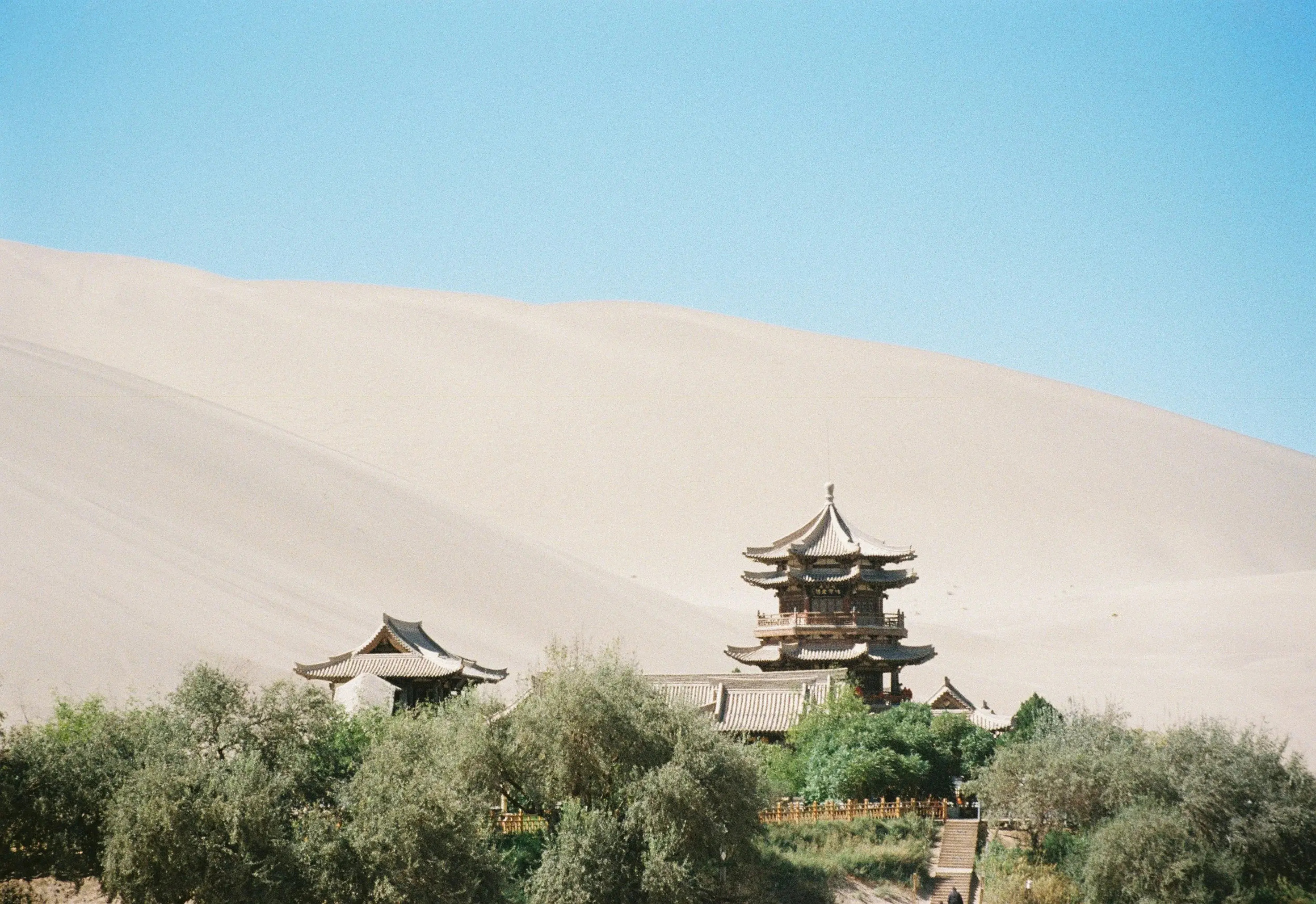 13d $3,500 All the Way West
 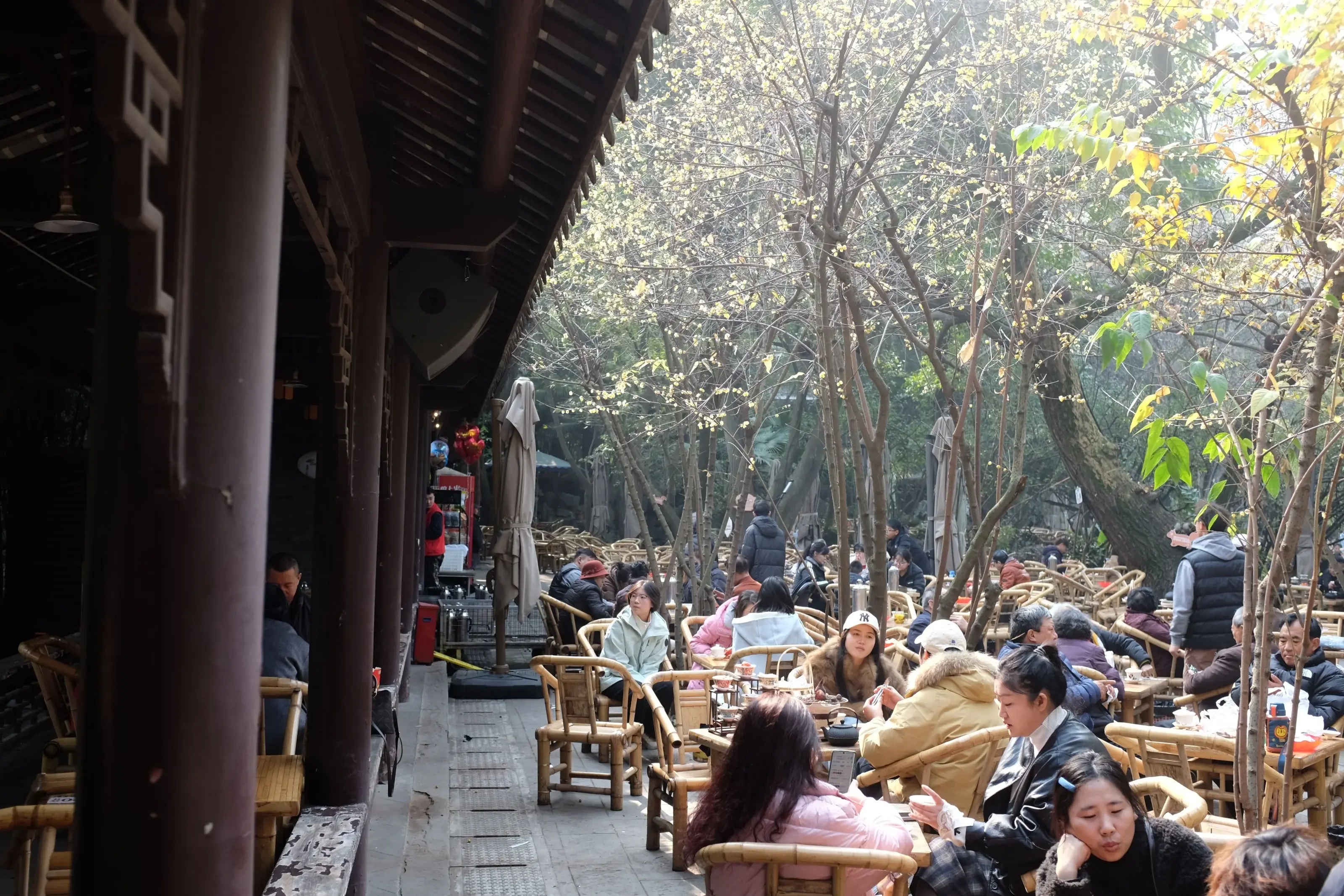 12d $4,060 Axis to Kitchen Table
 If you want to understand where China has been and where it is going, you need to visit Shanghai. Many travelers assume it is simply a modern business hub, a city of glass towers and fast-paced commerce. If you step off the main streets, you will discover a rich city. Here, old colonial buildings, classic gardens, and modern skyscrapers stand side by side. We designed this comprehensive Shanghai travel guide to help you navigate the city’s incredible contrasts. You might walk under the trees in old neighborhoods or look at bright neon lights by the river. Either way, Shanghai gives your China trip a unique visual and cultural ending. For first-time visitors, the sheer scale of the city can be daunting. But with the right planning, Shanghai is incredibly accessible, walkable, and rewarding. Let’s dive into how to make the most of your time in the "Paris of the East."
Why Shanghai Feels Like the Past and the Future
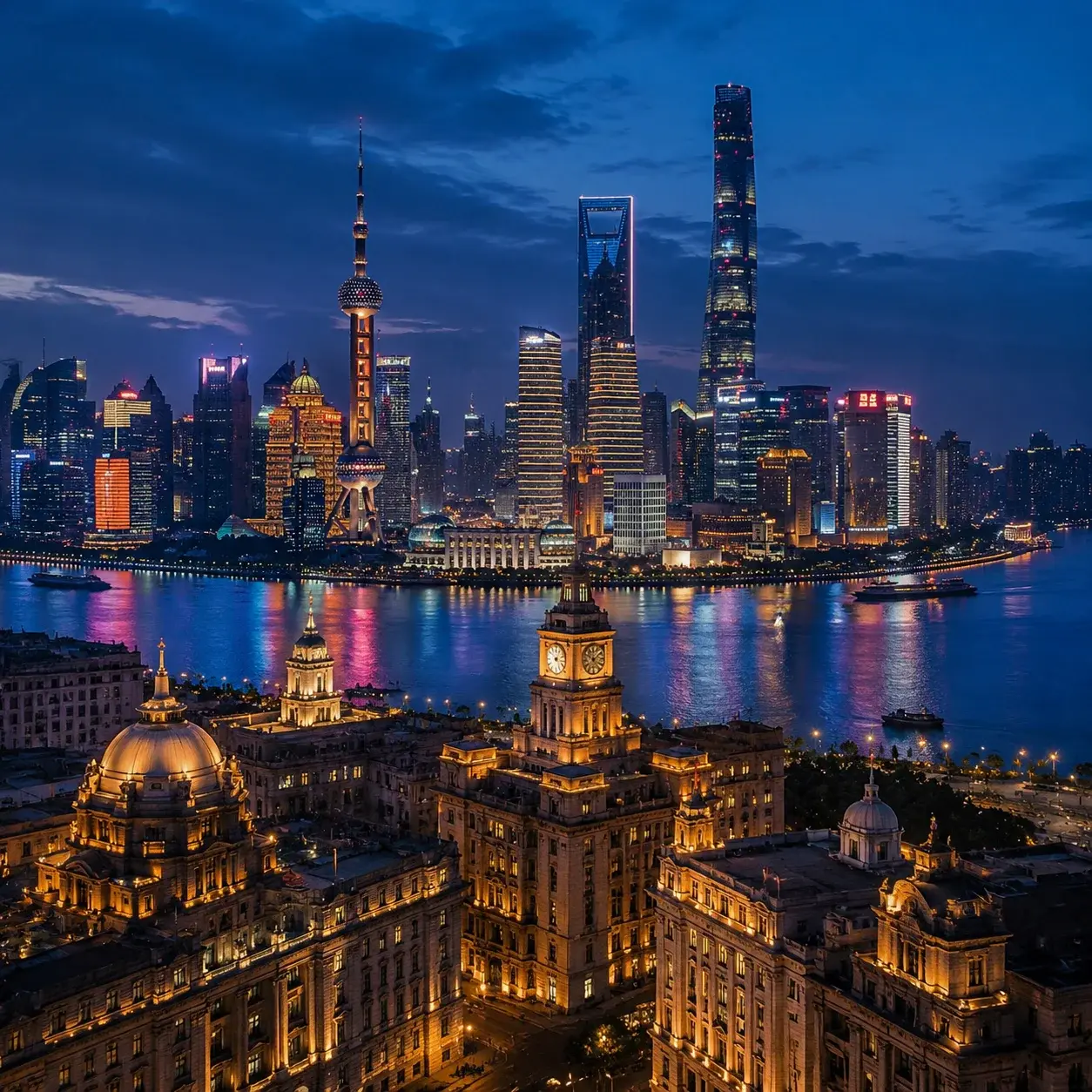
Shanghai is a city defined by its dualities. On the western bank of the Huangpu River lies Puxi, the historic core. In this area, you can see Art Deco buildings, narrow alleys called longtangs, and old European-style mansions from the 1800s and 1900s. It feels intimate, grounded, and steeped in complex history. Look across the water to the eastern bank, Pudong, and the narrative shifts entirely. The Pudong skyline shows pure modern ambition. It has some of the tallest and most unique skyscrapers in the world. This area was mostly farmland just a few decades ago; today, it looks like a sci-fi movie set. What makes Shanghai special is how easily you can step between these two worlds. You can drink tea in a 400-year-old garden in the morning. Then, you can enjoy an evening cocktail on the 80th floor of a shiny glass tower. It is this constant interplay of old and new that makes it such a compelling destination.
Top Things to Do in Shanghai
When planning your trip, you will want to balance iconic landmarks with local neighborhood exploration. Here are the essential shanghai attractions you shouldn't miss.
Walk the Waterfront
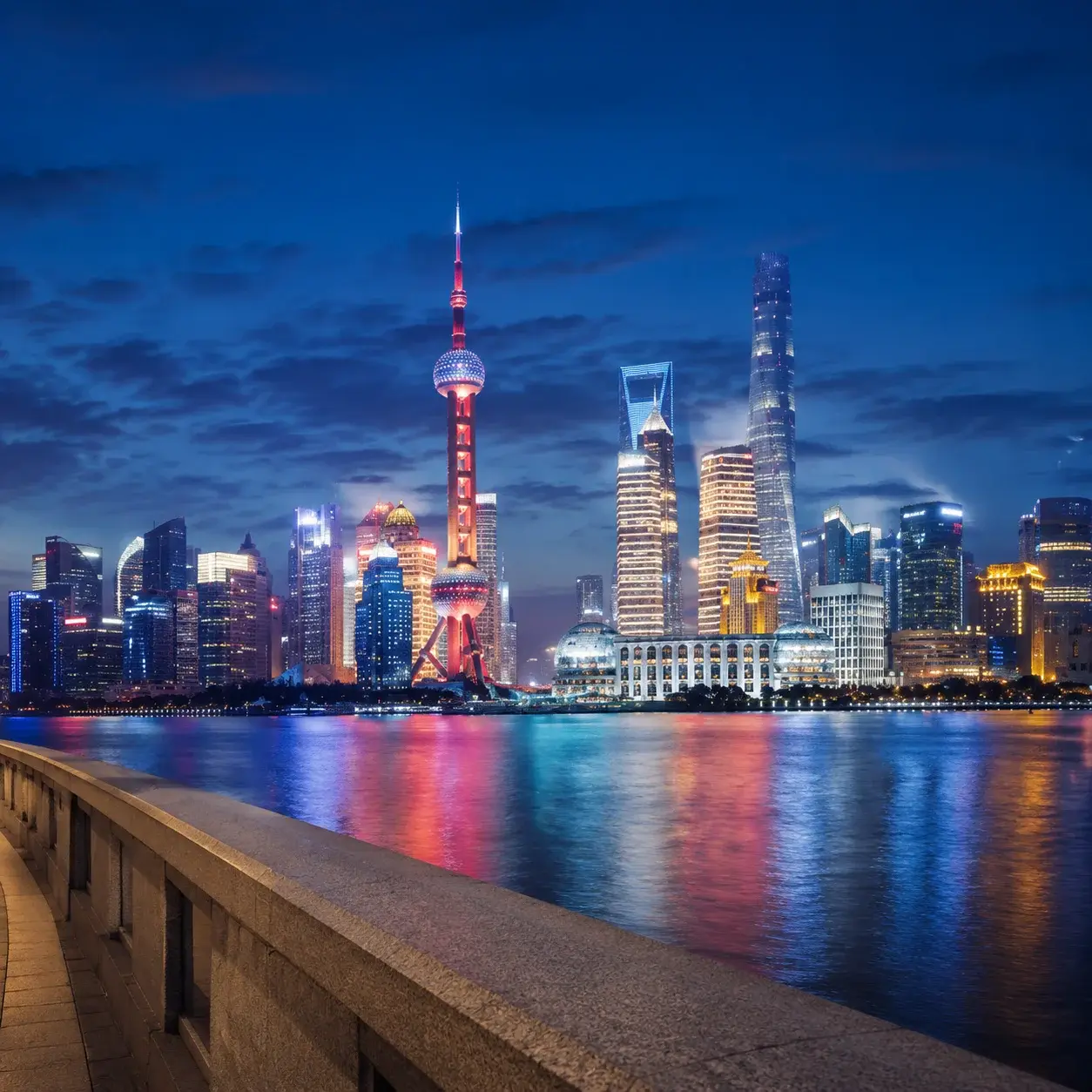
No visit is complete without strolling along the river. The historic promenade offers the best vantage point for taking in the city's contrasting architecture. Come at sunrise to watch locals practicing Tai Chi, or visit at night when the buildings light up the sky.
Explore Classical Gardens
Yu Garden (Yuyuan) is a stunning example of Ming Dynasty landscape design right in the heart of the old city. The garden has ponds full of koi fish, zigzag bridges, and beautiful pavilions. It gives you a quiet break from the busy city outside.
Discover Contemporary Art
Shanghai has a thriving arts scene. Head to the M50 Creative Park, a former textile mill complex turned into a maze of galleries, studios, and street art. It is a fantastic place to see what young Chinese artists are creating today.
Taste the Local Flavors
The city's food is a major highlight. You can enjoy hot soup dumplings (xiaolongbao) in bamboo baskets or crispy pan-fried pork buns. Skip the international chains and dive into the local eateries for an authentic taste of the region.
A Realistic 2-Day or 3-Day Shanghai Itinerary
Travelers often ask how many days in Shanghai are necessary. While you can see the highlights in two days, three days allow you to explore at a more comfortable pace and discover hidden corners. Here is a practical Shanghai itinerary.
Day 1: The Classics
Start your morning exploring the winding paths of Yu Garden and the surrounding Old City. In the afternoon, cross the river to the Lujiazui financial area. You can enjoy great views from an observation deck high up in the Pudong skyline. End your day with a classic evening stroll along the historic waterfront.
Day 2: Culture and Architecture
Spend your morning wandering the leafy streets of the former French Concession. Stop for coffee in a converted heritage building and browse the independent boutiques. In the afternoon, go to the Shanghai Museum in People's Square. You can see amazing collections of ancient Chinese bronze, pottery, and calligraphy.
Day 3: Art and Local Life
If you have a third day, head to the M50 Creative Park to explore the contemporary art galleries. Later, walk along the updated Suzhou Creek. This quiet waterway shows you local daily life and the city's old factories.
The Bund, French Concession, and Pudong
To truly understand Shanghai, you need to understand its three most defining areas.
The Bund Shanghai
This iconic waterfront promenade is a living museum of 1920s and 1930s architecture. The grand neoclassical and Art Deco buildings once housed major international banks and trading houses. Walking here feels like stepping back into the city's glamorous, cosmopolitan past.
French Concession Shanghai
This area is famous for its tree-lined streets, European-style houses, and cool cafes. It is a great place for a relaxing afternoon walk. It is the best place to experience the city's cafe culture and see how locals preserve and repurpose historic residential architecture.
Pudong
Directly across the river from the historic center, Pudong is the face of modern China. The skyline features huge buildings like the Oriental Pearl Tower, the Jin Mao Tower, the Shanghai World Financial Center, and the twisting Shanghai Tower. It is a monument to the city's rapid economic rise.
Getting Around Shanghai
Shanghai’s public transportation system is world-class, making it incredibly easy for foreign travelers to navigate.
The Metro
The Shanghai Metro is clean, efficient, and extensive. All signs and ticket machines have English options, and the metro system makes announcements in both Mandarin and English. It is the fastest and cheapest way to get between major places to visit in Shanghai.
Taxis and Ride-Hailing
Taxis are plentiful, but drivers rarely speak English. Always have your destination written in Chinese characters. You can also use Alipay or WeChat to call a ride with DiDi. These apps have English menus and automatically translate messages from your driver.
Walking
Despite its size, many central neighborhoods are highly walkable. Areas like the former French Concession and the riverfront are best explored on foot. Just wear comfortable shoes, as the distances can be deceivingly long.
Practical Information
Visas and Entry
Many foreigners can use China's 144-hour visa-free transit rule. You can use it if you fly into Shanghai and then travel to a third country. Always verify current visa policies with your local embassy before booking your trip.
Payments
China is a nearly cashless society. People rarely use cash. Before you arrive, download Alipay or WeChat and link your international credit card. Everyone uses these apps for everything from high-end dining to buying snacks from street vendors.
Internet Access
Many Western websites and apps are blocked in China. To use the internet and your normal apps, you must get a good VPN or buy an international e-SIM before you arrive.
Best Time to Visit Shanghai
Choosing the best time to visit Shanghai can significantly impact your experience, as the city experiences four distinct seasons. Spring (March to May) Spring is arguably the most pleasant time to visit. The weather is mild, and the city's parks and tree-lined streets are blooming. It is perfect weather for walking and outdoor exploration. Autumn (September to November) Autumn is another excellent window. The intense heat of summer has passed, leaving crisp, clear days and comfortable temperatures. This is also the season to try the famous local delicacy: hairy crab.
Summer and Winter
Summers (June to August) can be hot, humid, and prone to heavy rain, making extensive outdoor sightseeing uncomfortable. Winters (December to February) are damp and chilly. If you visit during these times, plan for more indoor activities like museums and galleries.
Combine Shanghai With...
Shanghai is a great place to visit on its own. It is also a perfect starting point or final stop for a longer trip through China.
Beijing + Xi’an + Shanghai
This is the classic "Golden Triangle" route for first-time visitors. First, explore the royal history of Beijing. Next, see the ancient sights in Xi'an. Finally, enjoy the modern energy and old colonial charm of Shanghai. It offers a complete narrative of China's past, present, and future.
Shanghai + Suzhou + Hangzhou
If you want to see the rich culture of the Jiangnan area, visit Shanghai along with nearby Suzhou and Hangzhou. High-speed trains connect them in under an hour. You can contrast Shanghai's skyscrapers with Suzhou's classical gardens and Hangzhou's serene West Lake.
Zhangjiajie or Guilin + Shanghai
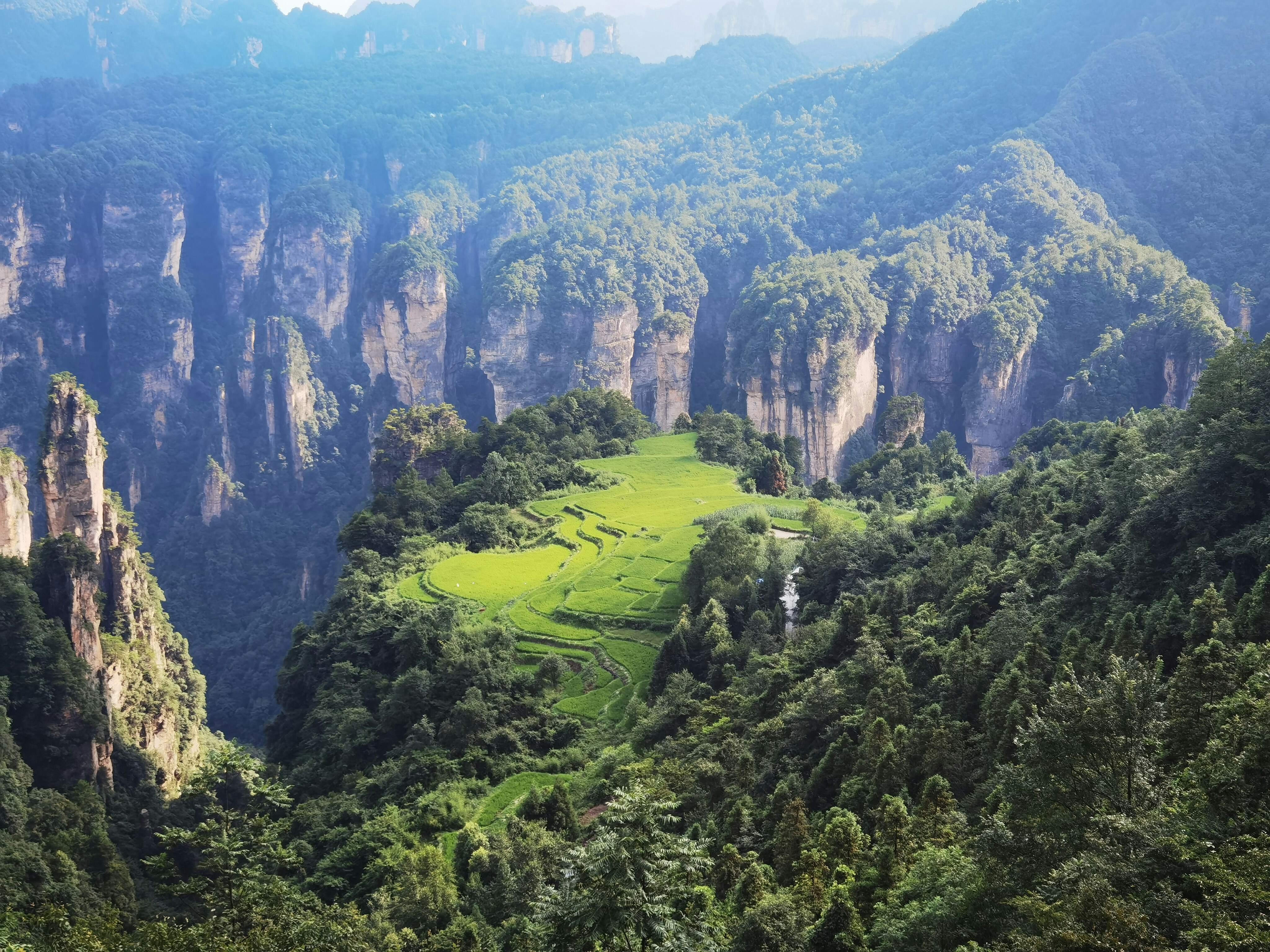
For those focusing on China's dramatic natural landscapes, Shanghai makes an excellent final stop. You might spend days hiking the mountains of Guilin or Zhangjiajie. After that, Shanghai gives you a comfortable and exciting city experience before you fly home.
FAQ
Is Shanghai safe for foreign tourists?
Yes, Shanghai is incredibly safe. Violent crime is extremely rare, and the streets are well-lit and busy even late at night. As in any major city, just keep an eye on your belongings in crowded tourist areas to avoid pickpockets.
Do I need to speak Chinese to visit Shanghai?
While speaking some basic Mandarin is helpful, it is not strictly necessary. English signage is common on public transport and in major tourist areas. Many young people and staff at international hotels speak English. Translation apps are also highly effective.
What are the best things to do in Shanghai when it rains?
If it rains, go inside the Shanghai Museum or look at the modern art galleries at M50. You can also enjoy a long, relaxing lunch at a great restaurant. You should save the observation decks in Pudong for clear days.
Can I drink the tap water in Shanghai?
No, you should not drink tap water in China unless you boil it first. Stick to bottled water, which is cheap and available everywhere. Hotels will always provide complimentary bottled water in your room.
How do I pay for things in Shanghai?
People rarely use cash. You should download Alipay or WeChat and link your foreign credit card before you arrive. Everyone uses these apps for everything from high-end dining to buying snacks from street vendors.
Is the 144-hour visa-free transit easy to use?
Yes, you can use it if you meet the rules. You need a passport from an approved country and a ticket to a third country. It is a fantastic way to enjoy a short Shanghai itinerary without the hassle of a full visa application. Always check the latest regulations before flying.