3 Days
Beijing
3 Days



21 Days & 20 Nights — Private · Custom Itinerary
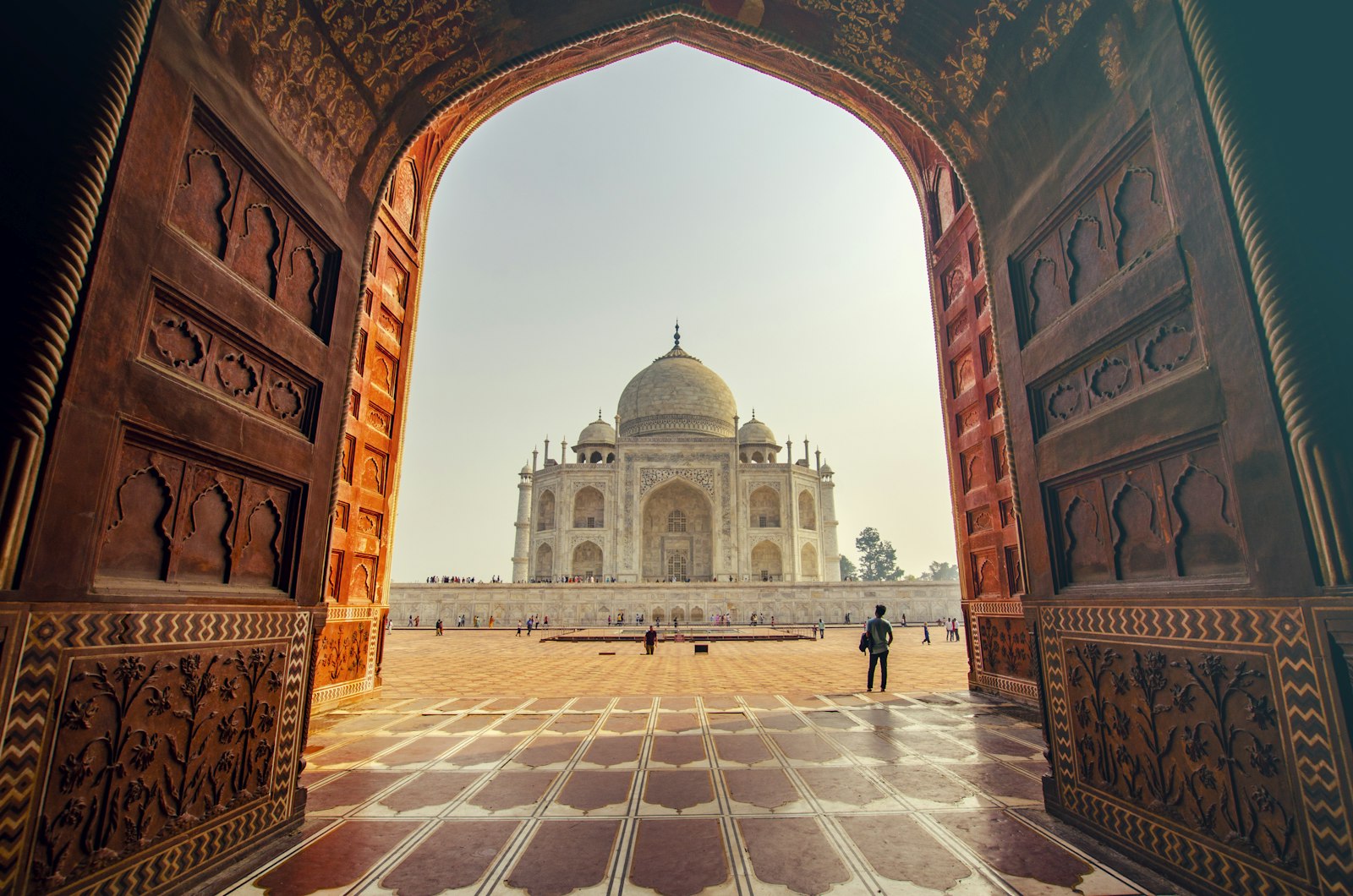
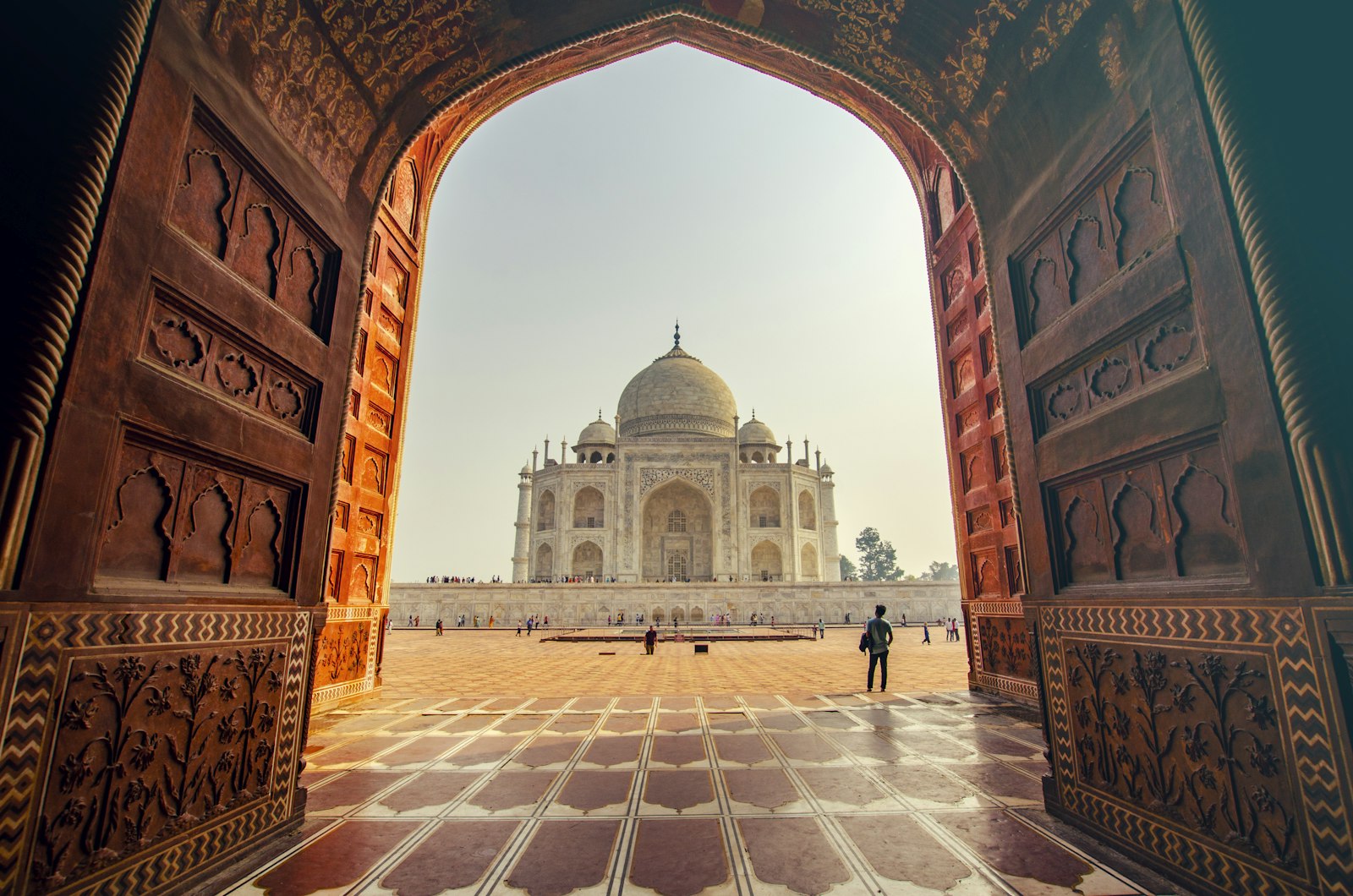
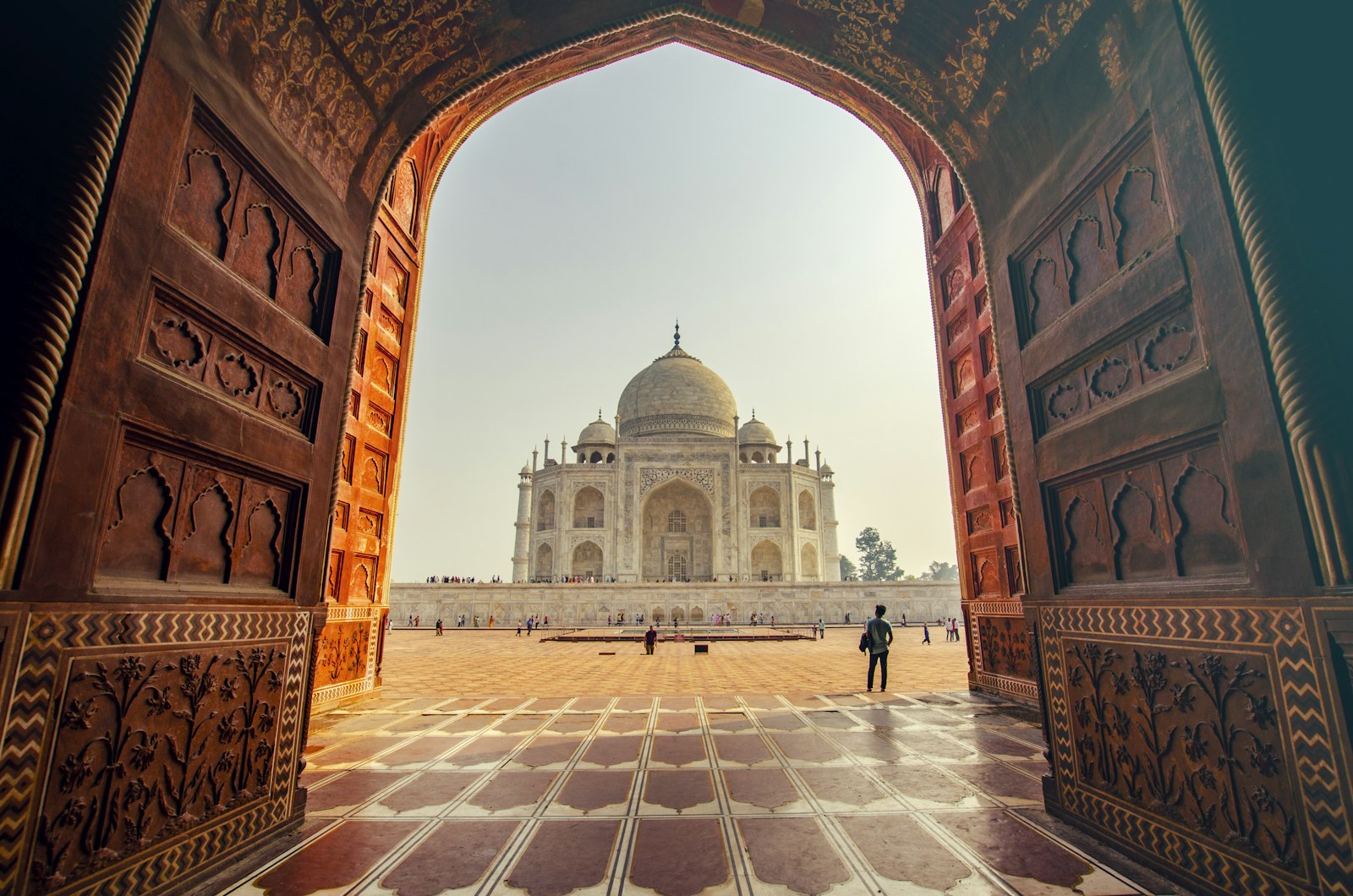
6 Days · Hidden Halls and the Conservation Lab
Why it earns its place
Beijing and Xi'an open the trip with the imperial canon at access tiers most travellers never reach — hidden halls beyond the Forbidden City's standard six, and the Terracotta Conservation Lab where Qin relics still pass through restorers' hands.
The trip opens with an unhurried Beijing arrival before Day two stacks the imperial peak — Tian'anmen Square at opening hour, then a hand-picked sweep of the Forbidden City's hidden halls beyond the standard six chambers most group tours visit, with emperor stories and dodge-the-crowds private guidance from a senior local guide. A Beijing roast duck lunch leads into the Summer Palace's Kunming Lake walk and the Long Corridor's painted ceiling beams. Day three opens at the Temple of Heaven where local elders still practice tai chi, dancing and brush calligraphy in the surrounding park, then drives 90 minutes north to Mutianyu Great Wall — round-trip cable car or the chairlift-up-toboggan-down combination, your call. Day four pivots west by HSR. Day five at Xi'an heads straight for the Terracotta Warriors, with the rare Conservation Laboratory access where guests handle authentic Qin Dynasty relics under a restorer's eye after viewing the first restored warriors. Day six adds the intact 14-kilometre Ming city wall before the flight to Zhangye. Practical tips: The Conservation Lab needs 7+ days advance booking and requires sealed-shoe entry — your guide handles the booking; ask about it on Day 1. Forbidden City hidden-hall route runs 4+ hours of walking — wear layers; the inner halls are unheated even in shoulder seasons.
Why it earns its place
Beijing and Xi'an open the trip with the imperial canon at access tiers most travellers never reach — hidden halls beyond the Forbidden City's standard six, and the Terracotta Conservation Lab where Qin relics still pass through restorers' hands.
The trip opens with an unhurried Beijing arrival before Day two stacks the imperial peak — Tian'anmen Square at opening hour, then a hand-picked sweep of the Forbidden City's hidden halls beyond the standard six chambers most group tours visit, with emperor stories and dodge-the-crowds private guidance from a senior local guide. A Beijing roast duck lunch leads into the Summer Palace's Kunming Lake walk and the Long Corridor's painted ceiling beams. Day three opens at the Temple of Heaven where local elders still practice tai chi, dancing and brush calligraphy in the surrounding park, then drives 90 minutes north to Mutianyu Great Wall — round-trip cable car or the chairlift-up-toboggan-down combination, your call. Day four pivots west by HSR. Day five at Xi'an heads straight for the Terracotta Warriors, with the rare Conservation Laboratory access where guests handle authentic Qin Dynasty relics under a restorer's eye after viewing the first restored warriors. Day six adds the intact 14-kilometre Ming city wall before the flight to Zhangye. Practical tips: The Conservation Lab needs 7+ days advance booking and requires sealed-shoe entry — your guide handles the booking; ask about it on Day 1. Forbidden City hidden-hall route runs 4+ hours of walking — wear layers; the inner halls are unheated even in shoulder seasons.
3 Days · Rainbow Mountains and Mud-Slab Murals
Why it earns its place
The Hexi Corridor between Zhangye and Dunhuang is the Silk Road's spectacular landscape segment — Danxia rainbow ridges, the Wall's western terminus, and the world's most important Buddhist grotto network, all in a three-day arc.
The flight or HSR from Xi'an reaches Zhangye in time for Day seven's Rainbow Mountains afternoon — the Danxia landform's banded crimson, ochre and pearl ridges glow at golden hour, and the elevated boardwalks let you photograph the colour bands without disturbing the fragile sandstone surface. Day eight opens at Jiayu Pass — the Great Wall's western terminus, rammed-earth ramparts (not the dressed stone of the eastern Wall), with panoramic Gobi views from the watchtower. The afternoon transfers five hours west through pure desert to Dunhuang. Day nine is the Mogao morning. The UNESCO grottoes hold 1,000 years of Buddhist art across 735 caves — no photography allowed inside — and the Dunhuang Research Institute then opens its mud-slab mural workshop, where you choose a Mogao sample and create your own mud-slab copy under instructor guidance, the finished panel travelling home with you. The afternoon turns to the Singing Sand Dunes and Crescent Moon Spring with a camel ride at golden hour. Practical tips: Rainbow Mountains photograph best 17:00–18:30 in summer and 16:00–17:00 in autumn — confirm timing with your guide based on travel dates. Mogao Caves photography is strictly prohibited inside the grottoes — the mud-slab workshop's finished panel becomes your only physical takeaway.
Why it earns its place
The Hexi Corridor between Zhangye and Dunhuang is the Silk Road's spectacular landscape segment — Danxia rainbow ridges, the Wall's western terminus, and the world's most important Buddhist grotto network, all in a three-day arc.
The flight or HSR from Xi'an reaches Zhangye in time for Day seven's Rainbow Mountains afternoon — the Danxia landform's banded crimson, ochre and pearl ridges glow at golden hour, and the elevated boardwalks let you photograph the colour bands without disturbing the fragile sandstone surface. Day eight opens at Jiayu Pass — the Great Wall's western terminus, rammed-earth ramparts (not the dressed stone of the eastern Wall), with panoramic Gobi views from the watchtower. The afternoon transfers five hours west through pure desert to Dunhuang. Day nine is the Mogao morning. The UNESCO grottoes hold 1,000 years of Buddhist art across 735 caves — no photography allowed inside — and the Dunhuang Research Institute then opens its mud-slab mural workshop, where you choose a Mogao sample and create your own mud-slab copy under instructor guidance, the finished panel travelling home with you. The afternoon turns to the Singing Sand Dunes and Crescent Moon Spring with a camel ride at golden hour. Practical tips: Rainbow Mountains photograph best 17:00–18:30 in summer and 16:00–17:00 in autumn — confirm timing with your guide based on travel dates. Mogao Caves photography is strictly prohibited inside the grottoes — the mud-slab workshop's finished panel becomes your only physical takeaway.
Why it earns its place
The Hexi Corridor between Zhangye and Dunhuang is the Silk Road's spectacular landscape segment — Danxia rainbow ridges, the Wall's western terminus, and the world's most important Buddhist grotto network, all in a three-day arc.
The flight or HSR from Xi'an reaches Zhangye in time for Day seven's Rainbow Mountains afternoon — the Danxia landform's banded crimson, ochre and pearl ridges glow at golden hour, and the elevated boardwalks let you photograph the colour bands without disturbing the fragile sandstone surface. Day eight opens at Jiayu Pass — the Great Wall's western terminus, rammed-earth ramparts (not the dressed stone of the eastern Wall), with panoramic Gobi views from the watchtower. The afternoon transfers five hours west through pure desert to Dunhuang. Day nine is the Mogao morning. The UNESCO grottoes hold 1,000 years of Buddhist art across 735 caves — no photography allowed inside — and the Dunhuang Research Institute then opens its mud-slab mural workshop, where you choose a Mogao sample and create your own mud-slab copy under instructor guidance, the finished panel travelling home with you. The afternoon turns to the Singing Sand Dunes and Crescent Moon Spring with a camel ride at golden hour. Practical tips: Rainbow Mountains photograph best 17:00–18:30 in summer and 16:00–17:00 in autumn — confirm timing with your guide based on travel dates. Mogao Caves photography is strictly prohibited inside the grottoes — the mud-slab workshop's finished panel becomes your only physical takeaway.
5 Days · Han-Era Walls to the Karakoram Highway
Why it earns its place
Turpan, Urumqi and Kashgar form the Silk Road's archaeological and ethnic heart — Han Dynasty Wall ruins, leaf-shaped fortress cities, Sunday Bazaars and Pamir alpine lakes between three distinct Uyghur cultural regions.
The road transfer from Dunhuang to Liuyuan Station passes ruins of the original Han Dynasty Great Wall — mud-rammed walls 2,000+ years old, predating the Ming stone Wall by 1,500 years. Day eleven in Turpan opens at the Karez Well System, 2,000-year-old underground irrigation rated alongside the Great Wall and Grand Canal as one of ancient China's three great public works, then walks Jiaohe Ancient City — UNESCO Han-Tang fortress carved from a single river-cut plateau. The afternoon visits Tuyugou Village, a 1,700-year-old Uyghur Sufi pilgrimage settlement, with a Flaming Mountains drive-by. Day twelve in Urumqi pairs the Turpan Museum's Loulan Beauty mummy with Erdaoqiao Market's daily Uyghur quarter. Day thirteen flies to Kashgar — Idigar Mosque (China's second-largest), the 100-year-old ancient teahouse where locals gather for music and dance, Handicraft Street's coppersmith and woodwork workshops, and Kashgar Old City's mud-brick alleys. Day fourteen is the Karakoram Highway day to Karakul Lake at 3,600m, with Baisha Lake's white-sand contrast on the same drive. Practical tips: Karakul Lake sits at 3,600m — hydrate from Day 13 morning and avoid alcohol the night before; altitude sickness is real here. Carry your passport every day in Kashgar and on the Karakoram Highway — Gez checkpoint requires it 3 hours into the lake drive.
Why it earns its place
Turpan, Urumqi and Kashgar form the Silk Road's archaeological and ethnic heart — Han Dynasty Wall ruins, leaf-shaped fortress cities, Sunday Bazaars and Pamir alpine lakes between three distinct Uyghur cultural regions.
The road transfer from Dunhuang to Liuyuan Station passes ruins of the original Han Dynasty Great Wall — mud-rammed walls 2,000+ years old, predating the Ming stone Wall by 1,500 years. Day eleven in Turpan opens at the Karez Well System, 2,000-year-old underground irrigation rated alongside the Great Wall and Grand Canal as one of ancient China's three great public works, then walks Jiaohe Ancient City — UNESCO Han-Tang fortress carved from a single river-cut plateau. The afternoon visits Tuyugou Village, a 1,700-year-old Uyghur Sufi pilgrimage settlement, with a Flaming Mountains drive-by. Day twelve in Urumqi pairs the Turpan Museum's Loulan Beauty mummy with Erdaoqiao Market's daily Uyghur quarter. Day thirteen flies to Kashgar — Idigar Mosque (China's second-largest), the 100-year-old ancient teahouse where locals gather for music and dance, Handicraft Street's coppersmith and woodwork workshops, and Kashgar Old City's mud-brick alleys. Day fourteen is the Karakoram Highway day to Karakul Lake at 3,600m, with Baisha Lake's white-sand contrast on the same drive. Practical tips: Karakul Lake sits at 3,600m — hydrate from Day 13 morning and avoid alcohol the night before; altitude sickness is real here. Carry your passport every day in Kashgar and on the Karakoram Highway — Gez checkpoint requires it 3 hours into the lake drive.
Why it earns its place
Turpan, Urumqi and Kashgar form the Silk Road's archaeological and ethnic heart — Han Dynasty Wall ruins, leaf-shaped fortress cities, Sunday Bazaars and Pamir alpine lakes between three distinct Uyghur cultural regions.
The road transfer from Dunhuang to Liuyuan Station passes ruins of the original Han Dynasty Great Wall — mud-rammed walls 2,000+ years old, predating the Ming stone Wall by 1,500 years. Day eleven in Turpan opens at the Karez Well System, 2,000-year-old underground irrigation rated alongside the Great Wall and Grand Canal as one of ancient China's three great public works, then walks Jiaohe Ancient City — UNESCO Han-Tang fortress carved from a single river-cut plateau. The afternoon visits Tuyugou Village, a 1,700-year-old Uyghur Sufi pilgrimage settlement, with a Flaming Mountains drive-by. Day twelve in Urumqi pairs the Turpan Museum's Loulan Beauty mummy with Erdaoqiao Market's daily Uyghur quarter. Day thirteen flies to Kashgar — Idigar Mosque (China's second-largest), the 100-year-old ancient teahouse where locals gather for music and dance, Handicraft Street's coppersmith and woodwork workshops, and Kashgar Old City's mud-brick alleys. Day fourteen is the Karakoram Highway day to Karakul Lake at 3,600m, with Baisha Lake's white-sand contrast on the same drive. Practical tips: Karakul Lake sits at 3,600m — hydrate from Day 13 morning and avoid alcohol the night before; altitude sickness is real here. Carry your passport every day in Kashgar and on the Karakoram Highway — Gez checkpoint requires it 3 hours into the lake drive.
7 Days · Bamboo Feeding to the Bund
Why it earns its place
Chengdu, Zhangjiajie and Shanghai close the trip with the southwest's giant pandas, the Avatar floating mountains of Wulingyuan, and the contemporary Bund — the landscape arc's three most photographed Chinese icons in a single seven-day finale.
The flight from Kashgar via Urumqi delivers you to Chengdu, where Day sixteen runs early to the Research Base of Giant Panda Breeding for the bamboo-feeding hour when cubs climb, romp and feast — the only window when pandas are visibly active before they sleep through the afternoon. Day seventeen flies to Zhangjiajie for Tianmen Mountain's cable-car ascent, the 999-step Heaven's Gate cliff staircase and the glass skywalk hugging the cliff face. Day eighteen is Wulingyuan's Avatar morning — the 3,000+ sandstone pillars made famous by James Cameron, with VIP queue-skip access at the Bailong Elevator (the world's tallest outdoor elevator, 326m) saving 1–2 hours. Day nineteen pairs the world's longest glass-bottom bridge across the canyon with Yellow Dragon Cavern's karst chambers, then flies to Shanghai. Day twenty closes the trip with the Bund's colonial waterfront, Yu Garden's 1559 Ming-dynasty courtyards, and an optional Huangpu River cruise into the Pudong skyline at blue hour. Day twenty-one is the goodbye morning. Practical tips: Pandas sleep through afternoons — the morning visit isn't optional if you want them awake. Bailong Elevator VIP queue skip can save 90+ minutes in peak season; confirm activation with your guide on Day 17.
Why it earns its place
Chengdu, Zhangjiajie and Shanghai close the trip with the southwest's giant pandas, the Avatar floating mountains of Wulingyuan, and the contemporary Bund — the landscape arc's three most photographed Chinese icons in a single seven-day finale.
The flight from Kashgar via Urumqi delivers you to Chengdu, where Day sixteen runs early to the Research Base of Giant Panda Breeding for the bamboo-feeding hour when cubs climb, romp and feast — the only window when pandas are visibly active before they sleep through the afternoon. Day seventeen flies to Zhangjiajie for Tianmen Mountain's cable-car ascent, the 999-step Heaven's Gate cliff staircase and the glass skywalk hugging the cliff face. Day eighteen is Wulingyuan's Avatar morning — the 3,000+ sandstone pillars made famous by James Cameron, with VIP queue-skip access at the Bailong Elevator (the world's tallest outdoor elevator, 326m) saving 1–2 hours. Day nineteen pairs the world's longest glass-bottom bridge across the canyon with Yellow Dragon Cavern's karst chambers, then flies to Shanghai. Day twenty closes the trip with the Bund's colonial waterfront, Yu Garden's 1559 Ming-dynasty courtyards, and an optional Huangpu River cruise into the Pudong skyline at blue hour. Day twenty-one is the goodbye morning. Practical tips: Pandas sleep through afternoons — the morning visit isn't optional if you want them awake. Bailong Elevator VIP queue skip can save 90+ minutes in peak season; confirm activation with your guide on Day 17.
Why it earns its place
Chengdu, Zhangjiajie and Shanghai close the trip with the southwest's giant pandas, the Avatar floating mountains of Wulingyuan, and the contemporary Bund — the landscape arc's three most photographed Chinese icons in a single seven-day finale.
The flight from Kashgar via Urumqi delivers you to Chengdu, where Day sixteen runs early to the Research Base of Giant Panda Breeding for the bamboo-feeding hour when cubs climb, romp and feast — the only window when pandas are visibly active before they sleep through the afternoon. Day seventeen flies to Zhangjiajie for Tianmen Mountain's cable-car ascent, the 999-step Heaven's Gate cliff staircase and the glass skywalk hugging the cliff face. Day eighteen is Wulingyuan's Avatar morning — the 3,000+ sandstone pillars made famous by James Cameron, with VIP queue-skip access at the Bailong Elevator (the world's tallest outdoor elevator, 326m) saving 1–2 hours. Day nineteen pairs the world's longest glass-bottom bridge across the canyon with Yellow Dragon Cavern's karst chambers, then flies to Shanghai. Day twenty closes the trip with the Bund's colonial waterfront, Yu Garden's 1559 Ming-dynasty courtyards, and an optional Huangpu River cruise into the Pudong skyline at blue hour. Day twenty-one is the goodbye morning. Practical tips: Pandas sleep through afternoons — the morning visit isn't optional if you want them awake. Bailong Elevator VIP queue skip can save 90+ minutes in peak season; confirm activation with your guide on Day 17.
Free PDF
We’ll send this itinerary guide to your inbox for free.
No spam, ever. Unsubscribe anytime.
Talk to Vivian
From itinerary details to practical travel prep, if there’s anything you’d like to clarify, we’re happy to talk it through with you first.
Quick question
Drop us a note — we reply within 24 hours.
Private China Route Concierge
"A bilingual planning desk for route-v2 journeys."
Our China team tunes pacing, hotels and local hosts around each route style.
PRE-TRIP
BEFORE DEPARTURE
ON THE GROUND
No template. No group you didn't choose. Just one specialist, building your trip from scratch.
Step 01
Not your dates and budget — your curiosity. Where have you always wanted to go? What do you want to feel? We start there.
24h
First concept delivered
Step 02
Your specialist builds the itinerary from scratch — routes, hosts, hotels, and experiences you won't find anywhere else.
100%
Bespoke, never off-the-shelf
Step 03
When the plan feels right, a 10% deposit holds your entire trip. Balance due 30 days before departure.
10%
Deposit to secure everything
Step 04
Your Trip Pack arrives before you fly. On the road, your concierge is one message away — for the expected and everything you didn't plan for.
24/7
Support throughout your journey
No pressure. Browse our trips, or talk to a real person. Either way, your inbox stays clean.