


What is the Buddha-and-tea day?
Most visitors give Leshan half a day: see the Buddha, back on the bus. This day stays. It starts at the 71-metre Tang Buddha cut into the river cliff, a UNESCO mixed site with Mount Emei since 1996, then walks an old town that never got the tourist refit: a blacksmith at his forge, a watch-mender at his bench, a 300-year teahouse where old men slap down long cards all afternoon. It ends on a working tea farm on the Leshan–Emei border. You pick from the family's own rows when the bushes are in leaf, roast in their kitchen with a grandmother who has made tea her whole life, and sit in the courtyard tasting the three teas Sichuan actually drinks. A local guide who knows this stretch of country walks the day with you. You leave with the packet you made.
What you'll see and do
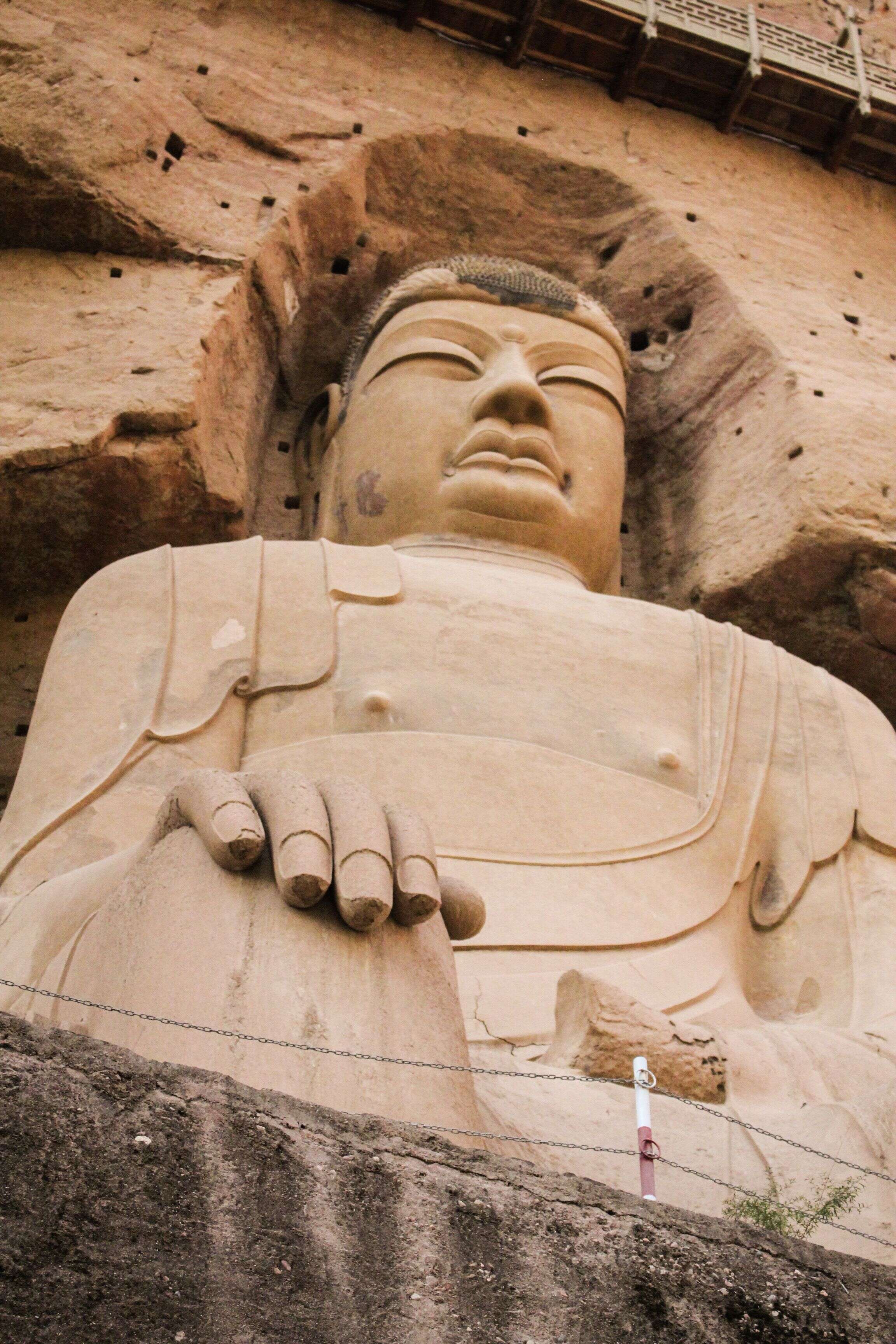
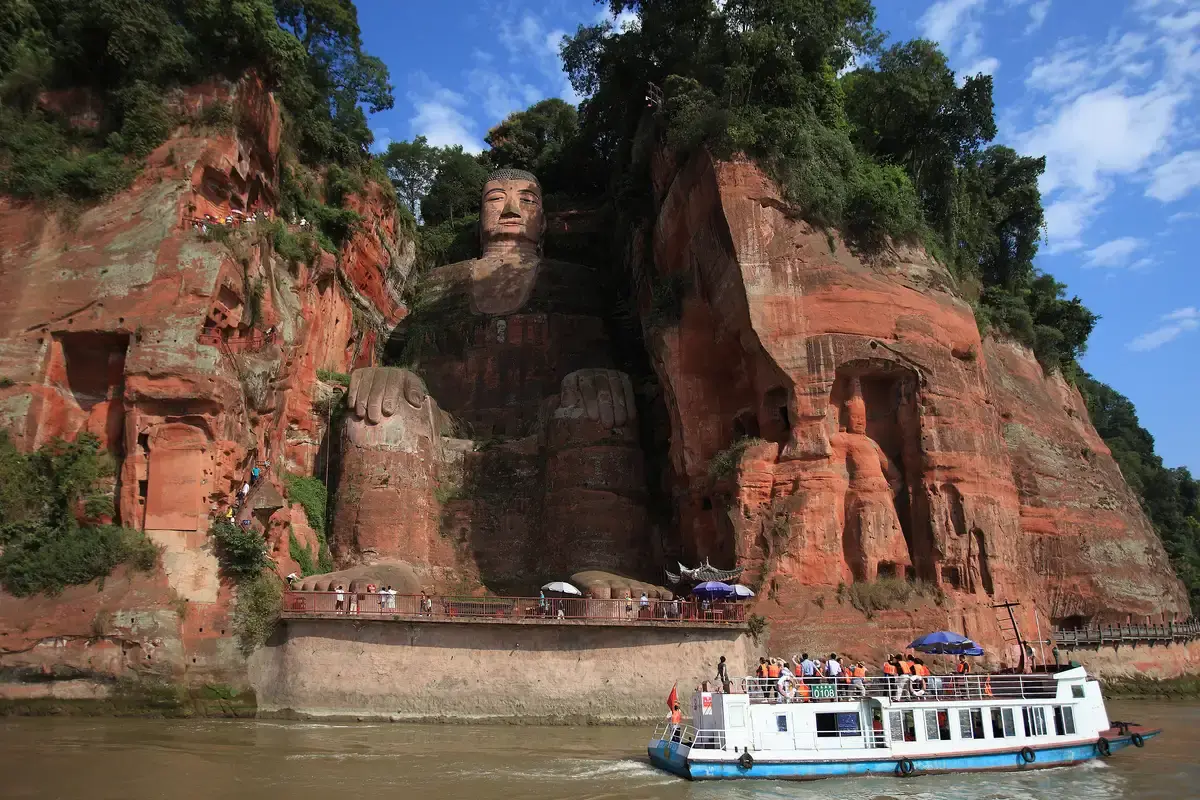
Stand under the Giant Buddha, carved between 712 and 804 where three rivers meet. It shares a UNESCO mixed listing with Mount Emei, an hour up the road.
Watch a blacksmith, a watch-mender, soy sauce still made the slow way, and a 300-year teahouse where the long-card games never really end.
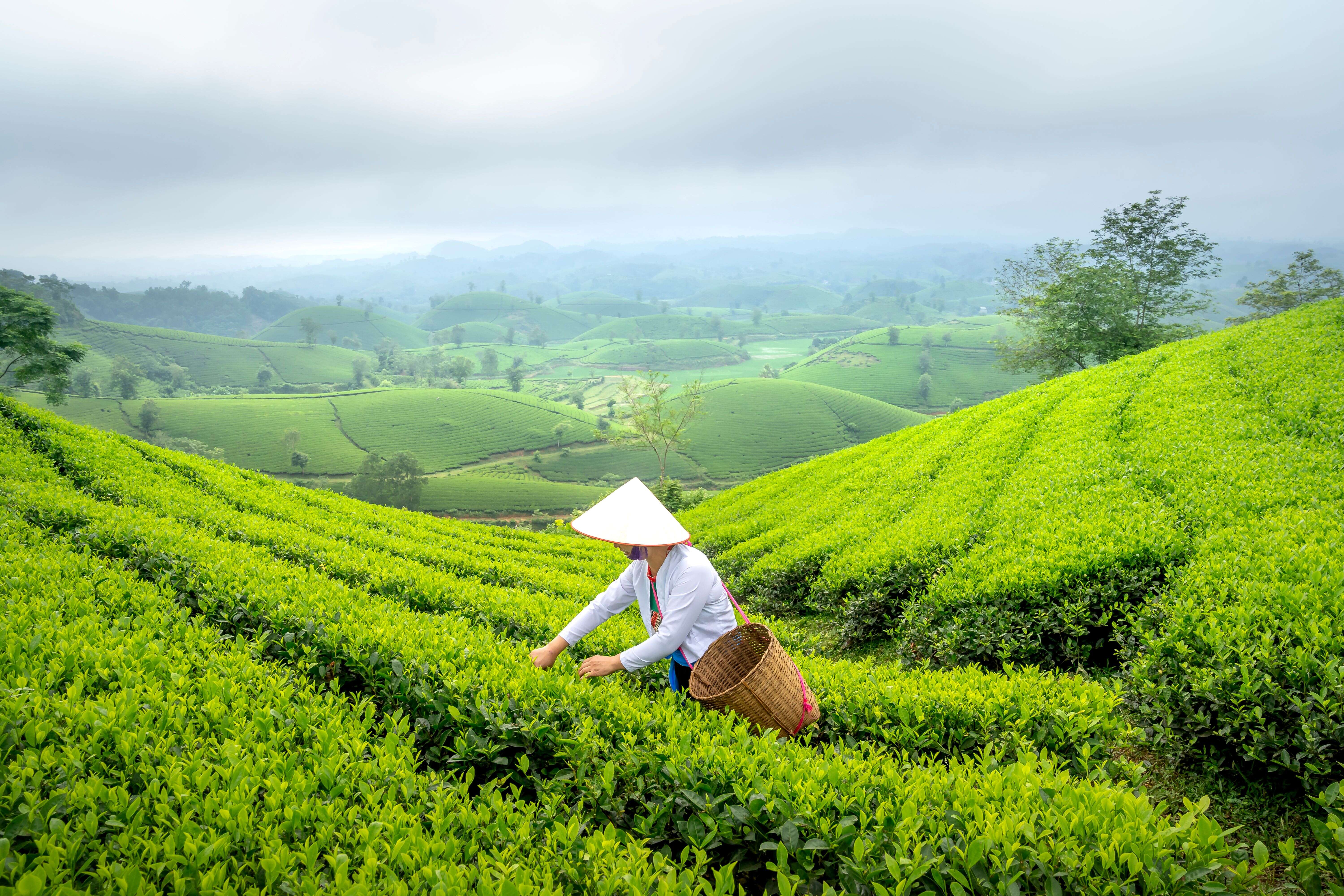
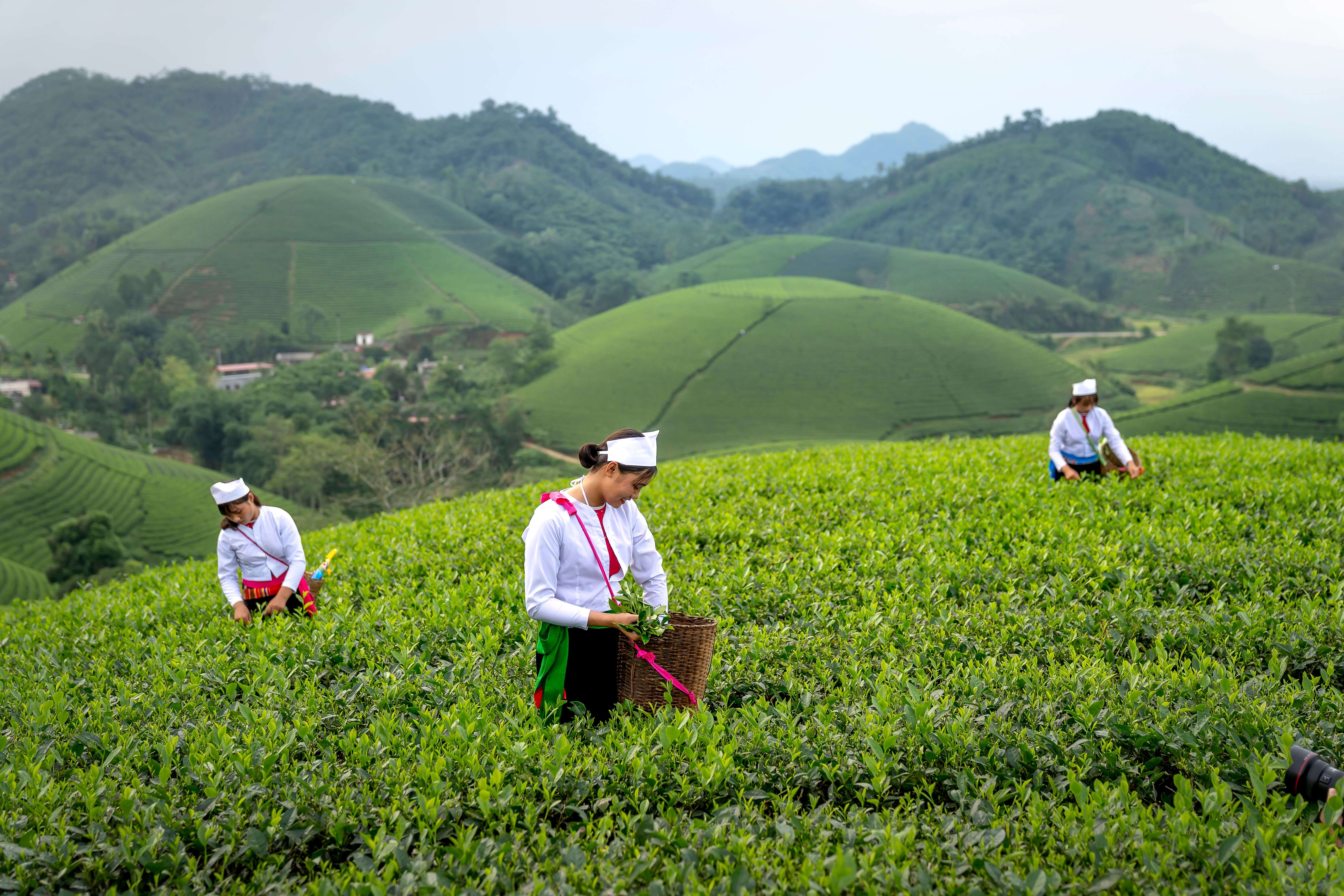
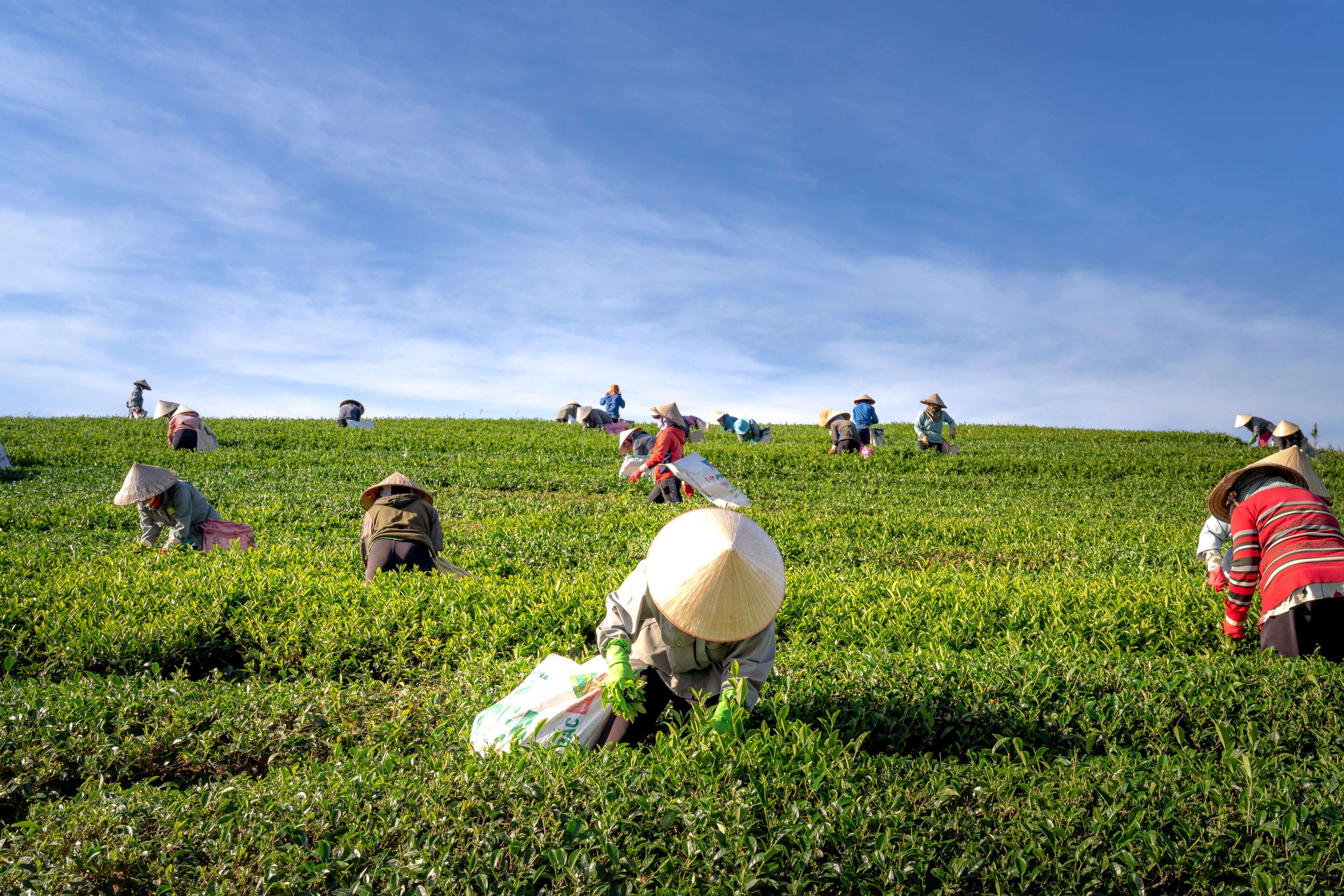
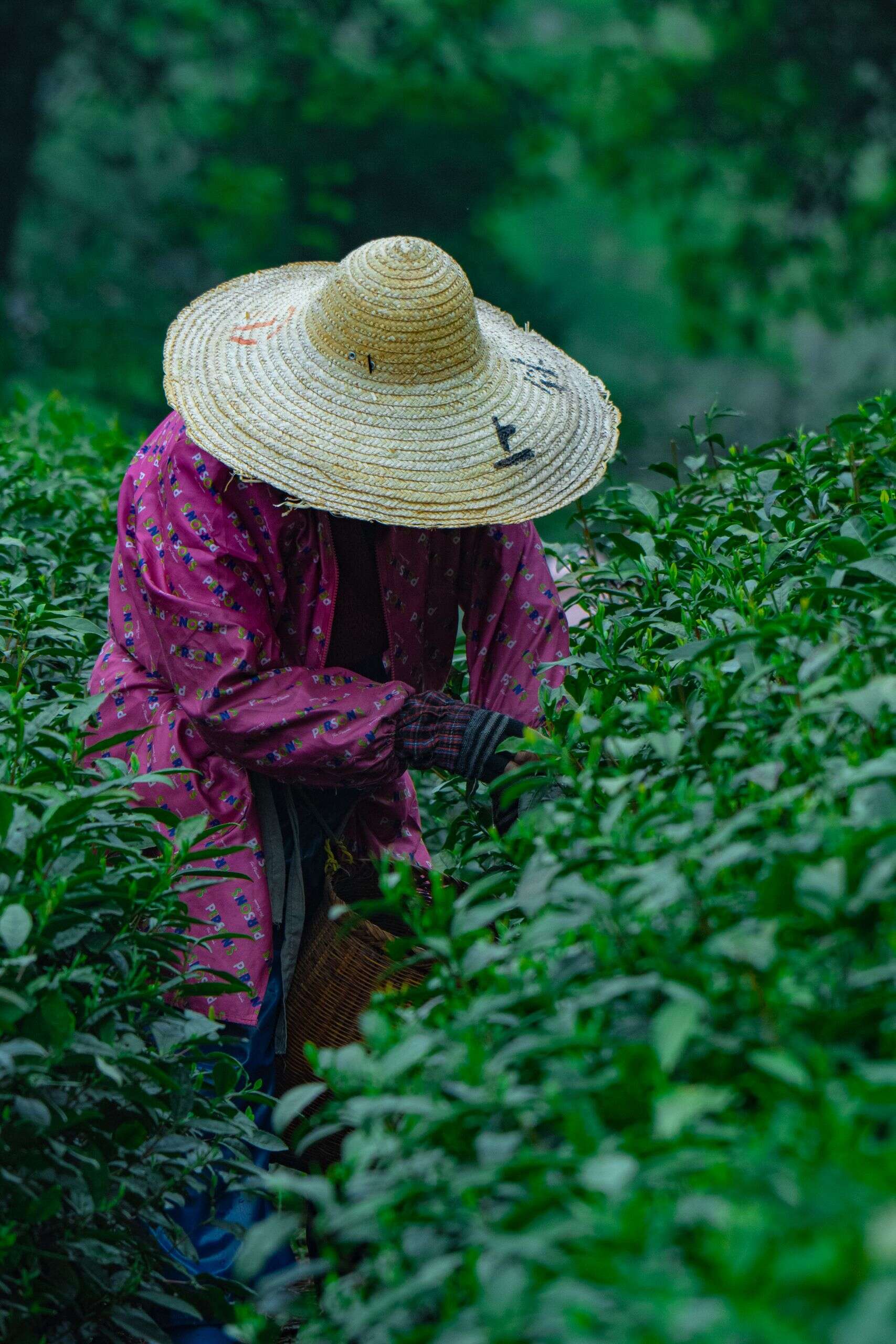
Every farm here owns its own rows. In season you pick with the family; the grandmother leads the roast in her kitchen either way, and the leaves you finish go home in your bag.
No pitch, no shop door on the way out. Some guests ask to buy tea at cost to thank the family. That's yours to offer, never theirs to push.
Why this isn't a costume tea photo
- The family's own rows, on the Leshan–Emei border
- The roast happens in their kitchen, at their wok
- A tasting that teaches what locals drink, and when
- The only tea that changes hands is the gift you made
What fills the day
Three movements, stone, streets, leaf. Each one as it already runs, none of them built for a camera.
The tea in your tea bag
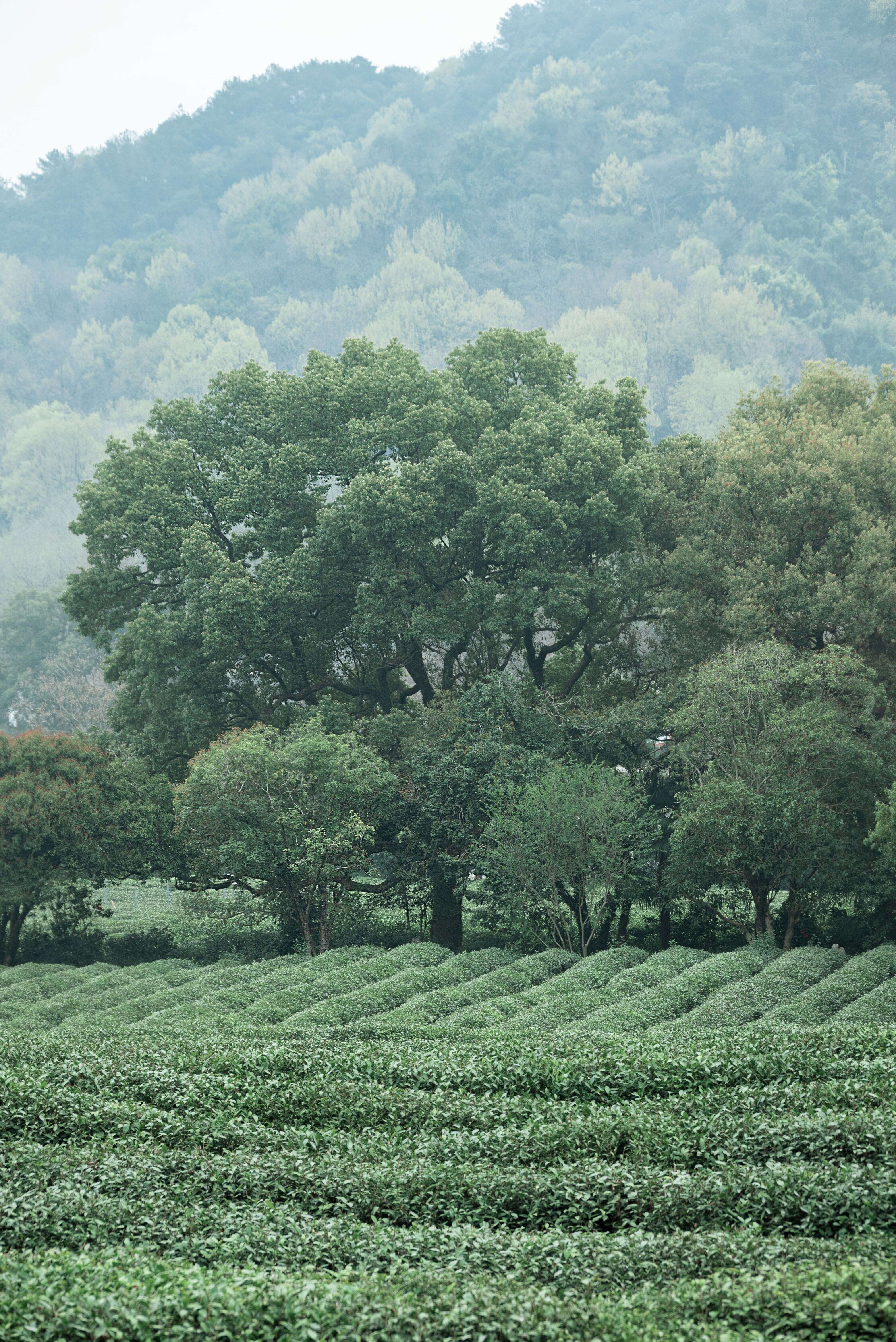
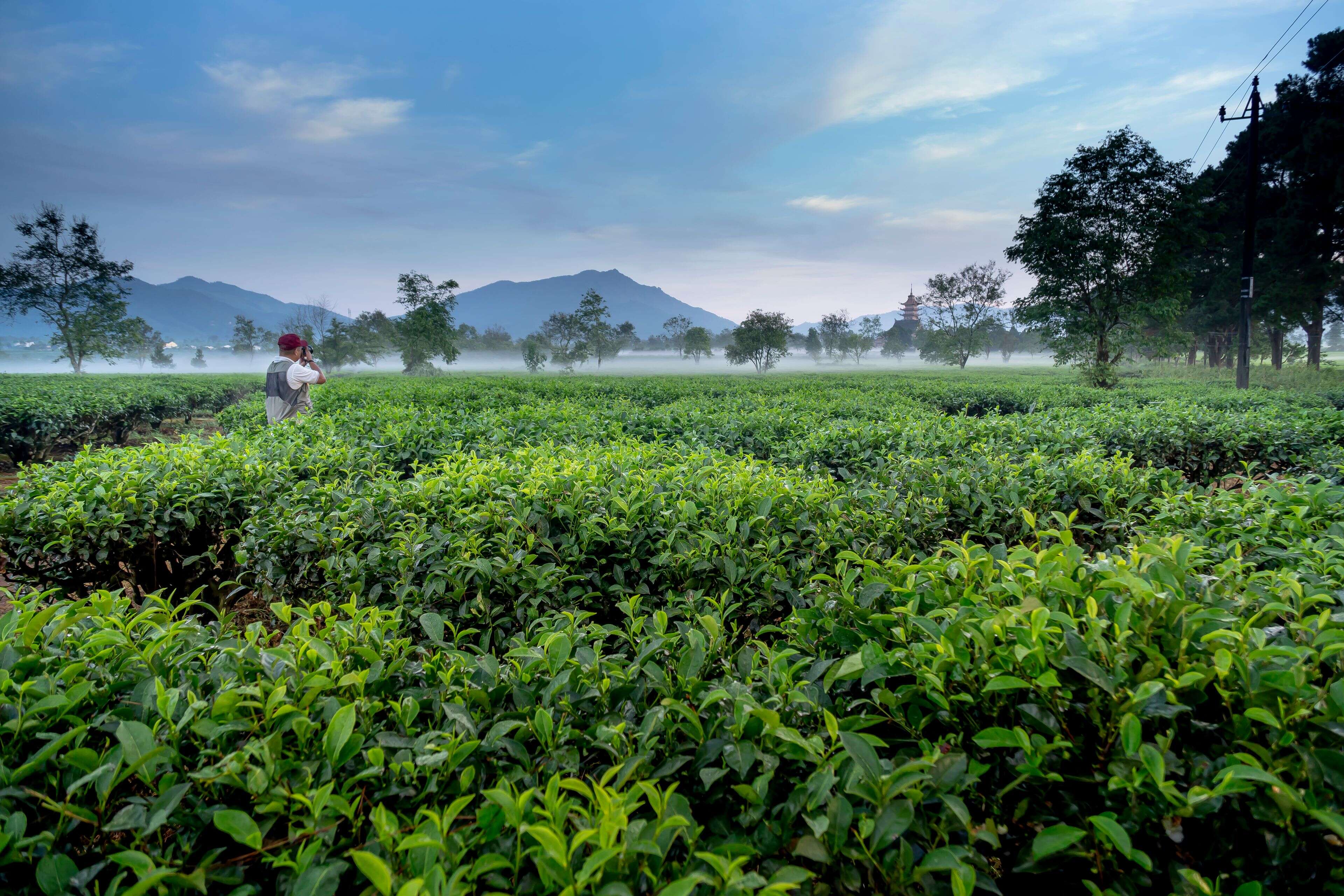
- These hills are where green tea gets serious. Emei's monks have grown it since the Tang dynasty, drunk, the story goes, to keep meditation sharp, and Zhuyeqing, Bamboo-leaf Green, is a name Chen Yi is said to have given it in 1964. Today this belt is one of the southwest's biggest first-hand tea markets. Locals will tell you the leaves in supermarket tea bags, Lipton's included, are bought from these slopes, and that the bag gets the leftovers. The good leaf takes a season's timing and a lifetime's hands, and it stays close to home.
- The farm you'll visit is modest. That isn't a flaw in the day; it's why the day exists. Nobody sells you anything. Guests who want to help the family sometimes buy tea at cost, and that gesture, freely offered, is the whole idea of responsible travel: understood at the table, not preached from a stage.
How the day runs
-
Start the morning with the giant: 71 metres of Tang dynasty cut straight into the river cliff, toes big enough to picnic on. Stand in the river wind and the site explains itself.
-
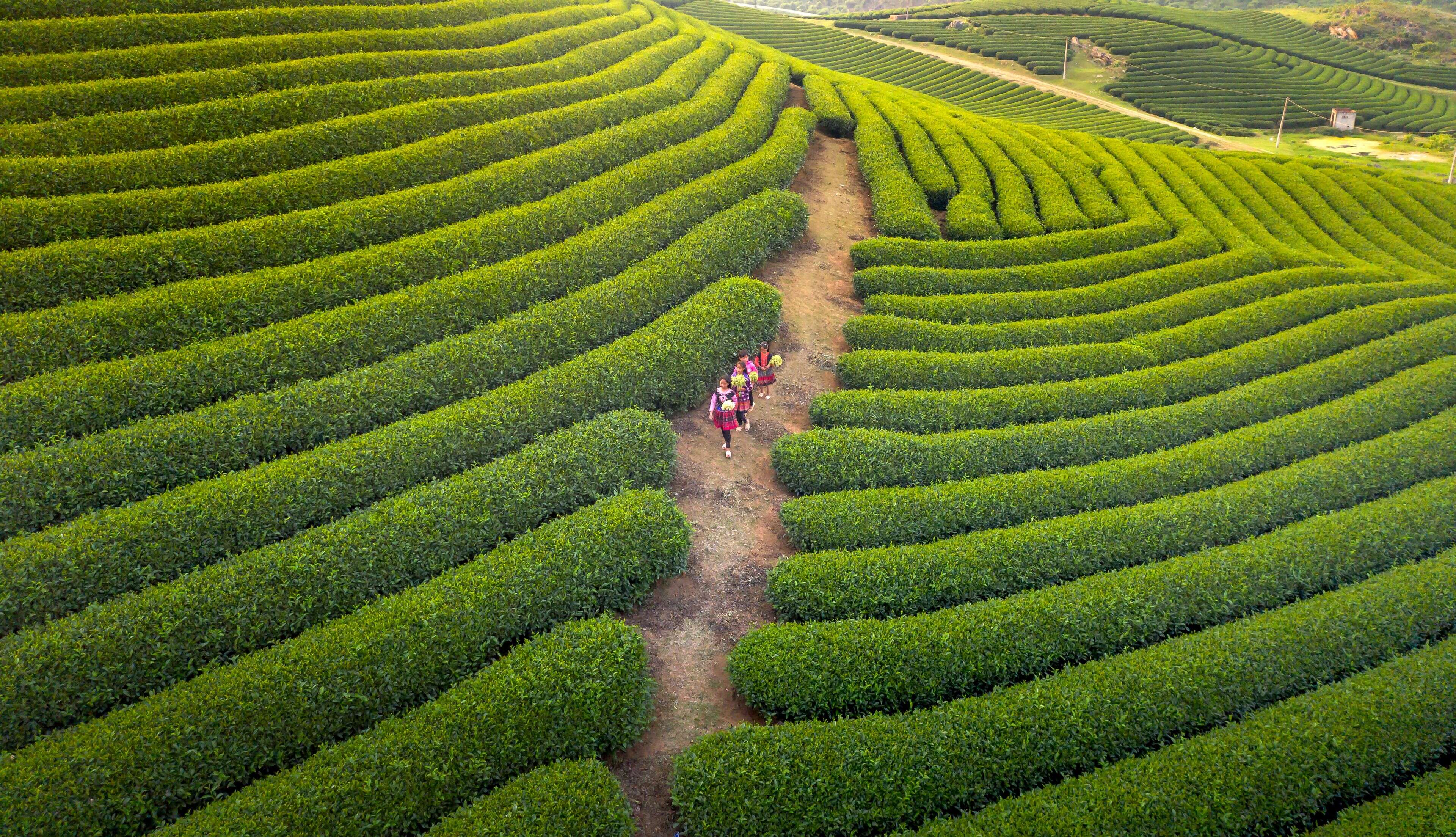
A short drive west, and the tour buses fall away. The road narrows into farm country on the Leshan–Emei border.
-
Shopfronts from before 1949, still doing business: the forge, the watch bench, the slow-made soy sauce, and the 300-year teahouse where your guide will deal you into the long-card game, or find you a seat close enough to watch the hands.
-
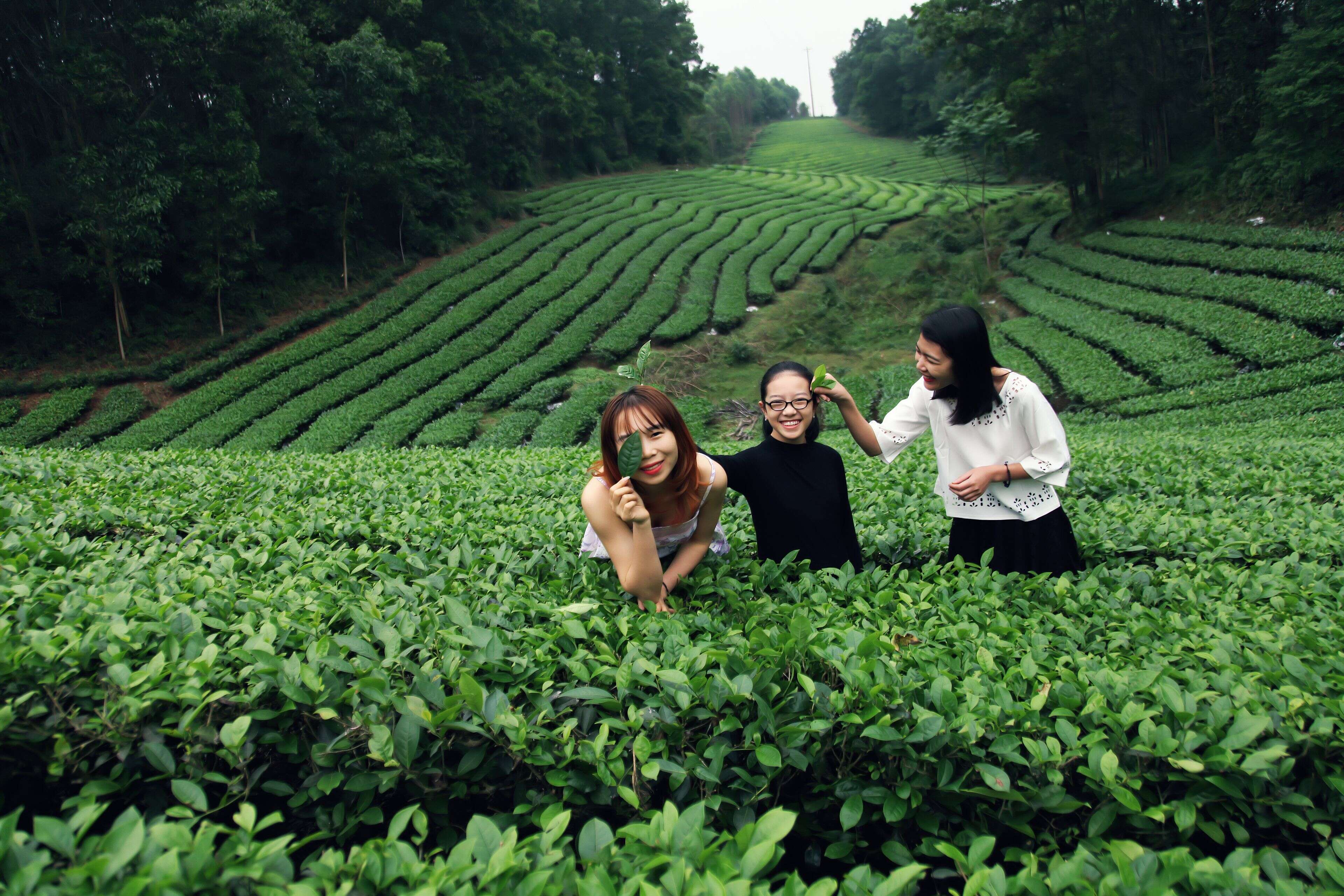
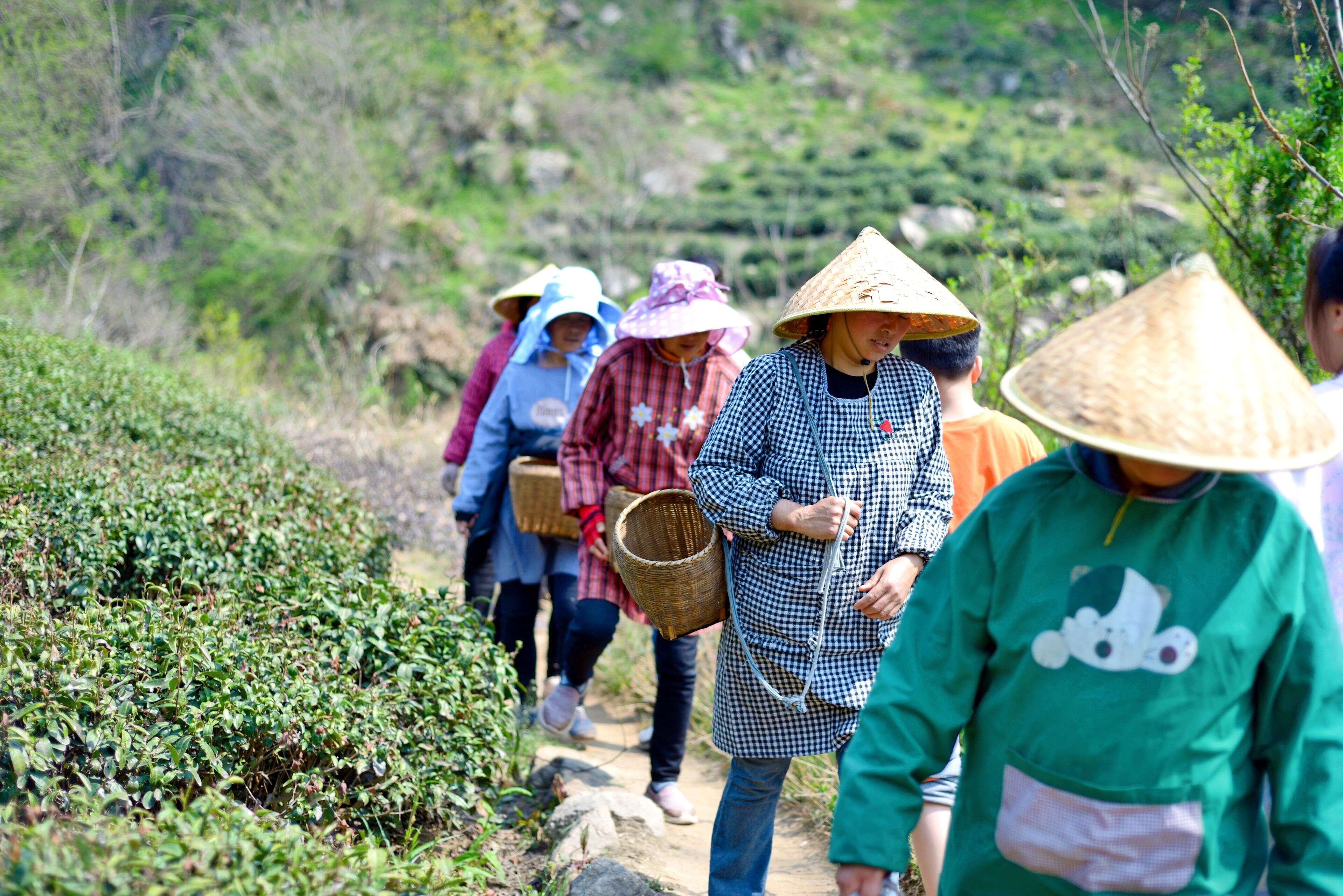
At the family farm, baskets on, into their own tea rows when the bushes are in leaf. What a bud should look like, when it's ready, why machines can't be trusted with the good leaf: taught standing in it.
-
Into the farmhouse kitchen, where the grandmother, making tea since before 1949, fires the wok and puts your hands to work. The smell alone is worth the drive.
-
Sit down beside the rows you picked from. Black, jasmine, local green: how each is poured, when each is drunk, and a packet of your own roast to take home.
-
Roll back to Chengdu with tea in your bag, or drive the hour to Mount Emei, sleep at the foot of the mountain, and climb tomorrow.
"Everyone sells Leshan as half a day: see the Buddha, back on the bus. The grandmother isn't a performer we hired; that wok is where she has made tea for seventy years. Taste the three teas in her courtyard and you'll understand how Sichuan drinks."
Sam · City master, Chengdu
Good to know
Included
- Giant Buddha visit
- Old town walk with the guide
- Tea picking in season, and hand-roasting with the family
- Three-tea tasting in the courtyard
- A gift packet of your own tea
Is this day for you?
Made for you if
- You care where things come from, tea most of all
- You'd rather watch a watch-mender than walk a souvenir street
- You want the Buddha and an afternoon nothing like the Buddha
Think twice if
- You need Leshan done in half a day. This one doesn't rush
- Farm kitchens are plain and the stools are low. If you need polish, this isn't that day
- The Buddha's cliff stairs are real stairs. Tell us about knees and we'll plan around them
The journeys this day rides in
This Leshan day slots into these private LyrikTrip journeys.

Make this day part of your Sichuan journey
This day is one piece of a longer private journey. Tell us what you're planning and we'll build it in: Buddha first or farm first, back to Chengdu or up Emei by nightfall.
Start planning- Private group
- No shopping stops
- Never a sales pitch
- Guide the whole way
FAQ
Will anyone pressure us to buy tea?
No. That's a line we don't cross. The family sells you nothing. If you'd like to take extra tea home to thank them, you may offer to buy at cost price; plenty of guests do, entirely unprompted. The packet you roast yourself is already included, as a gift.
How do we communicate with the farming family?
Your guide is a local who knows this stretch of country well: picking, roasting and the work in between, explained clearly in either language. Chinese-speaking guests barely need the bridge: the grandmother teaches with her hands and chats as she works, and you'll catch every word.
How much walking and climbing is there?
The Buddha means real cliff stairs, taken at your pace. After that the day is gentle: flat old-town lanes, farm rows, courtyard chairs. Tell us about mobility needs and we'll shape the morning around them.
Can we stay near Mount Emei instead of driving back?
Yes. It's the better plan if Emei is on your route. The mountain is about an hour from the Buddha; sleep at its foot and start tomorrow's climb fresh.
Is the tea we make actually good?
It's honest tea from a belt that sells leaf into supermarket bags around the world. Locals keep the better leaf for themselves. Your roast won't beat the grandmother's; it will beat any souvenir tin, because you'll know exactly what's in it.
What about lunch?
Leshan old-town cooking, around noon. Whether lunch and the Giant Buddha ticket sit inside the quote is still being settled; both will be confirmed on the proposal.
What's for lunch?
Lunch will be local Leshan old-town cuisine, at around 12 noon. Whether admission tickets and lunch are included in the quote will be confirmed in the itinerary.