


What is the panda-and-Baima day?
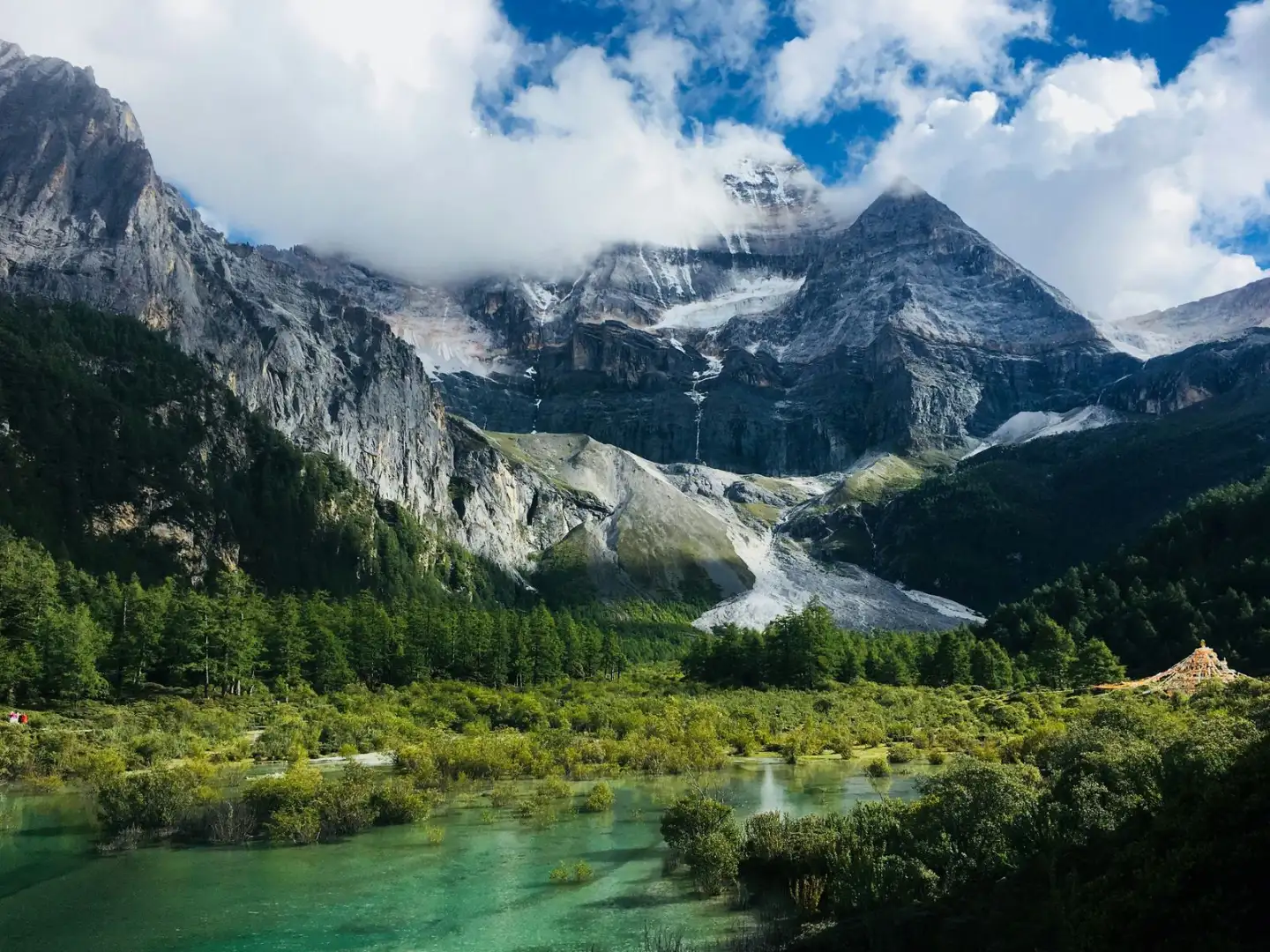
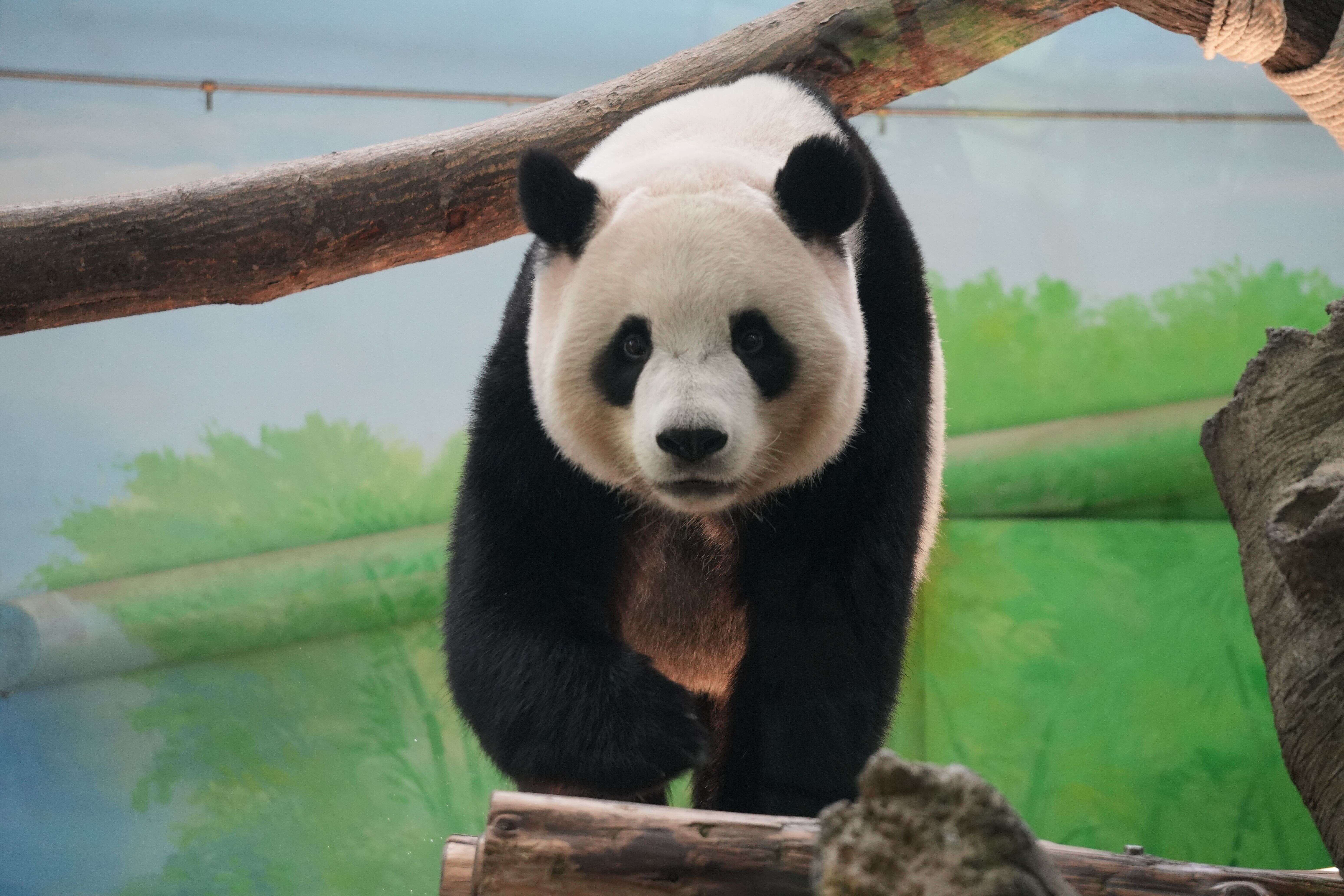
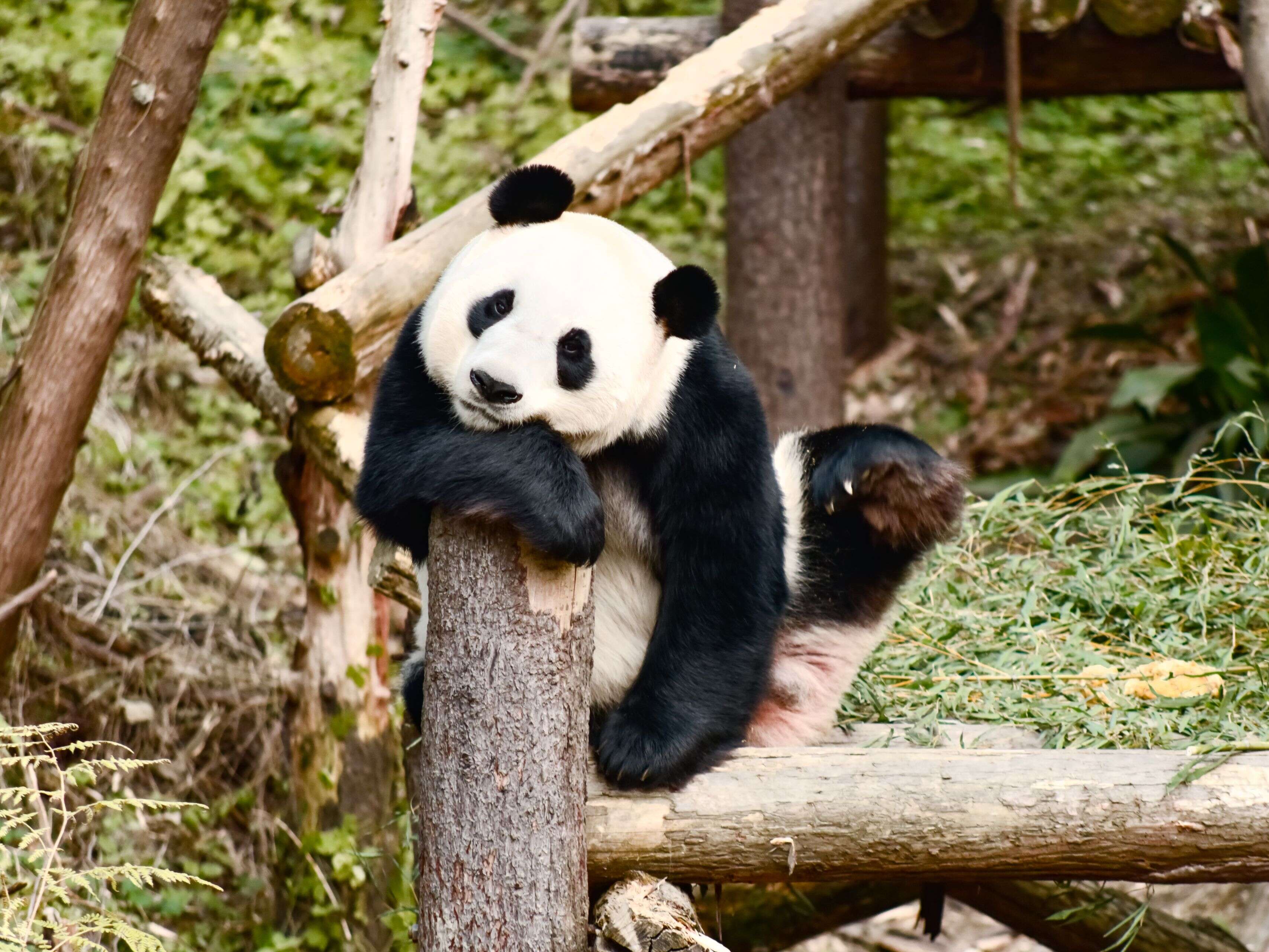
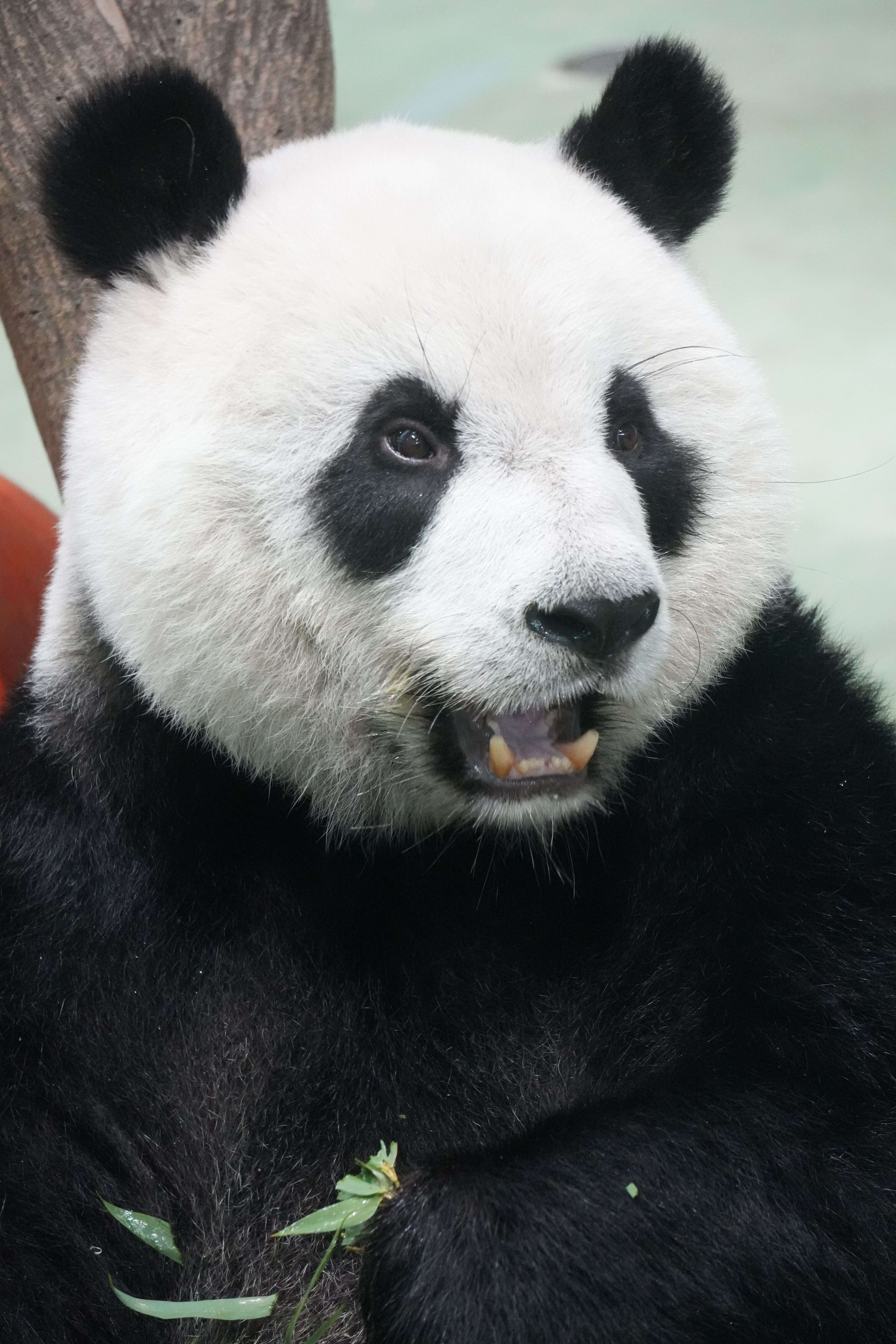
People who love pandas ask for one thing: to get as close as possible. That is exactly what the big programs now find harder to give. This day exists because we went north, to Jiawuhai Panda Reserve in the hills of Jiuzhaigou county, the one we can arrange for you alone. In the morning you work a real volunteer shift while the pandas are at their liveliest: four of them, retired home from zoos overseas, and on volunteer days the reserve takes nobody else. You tend to them at close quarters. One more part of the morning stays off the page; ask us when you book. In the afternoon you drive into a lower, easier valley to a Baima Tibetan village, a people who have lived beside pandas for centuries and count them a guardian spirit. After a welcome ceremony come two national-heritage dances with fewer performers every year, then the heart of it: a seat at a family's table, eating what they eat.
What you'll do and see
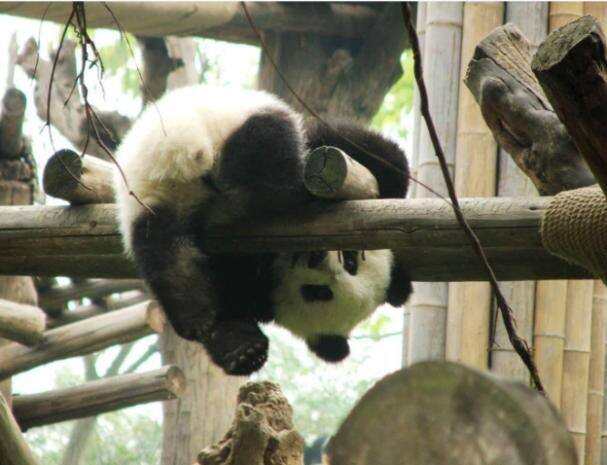
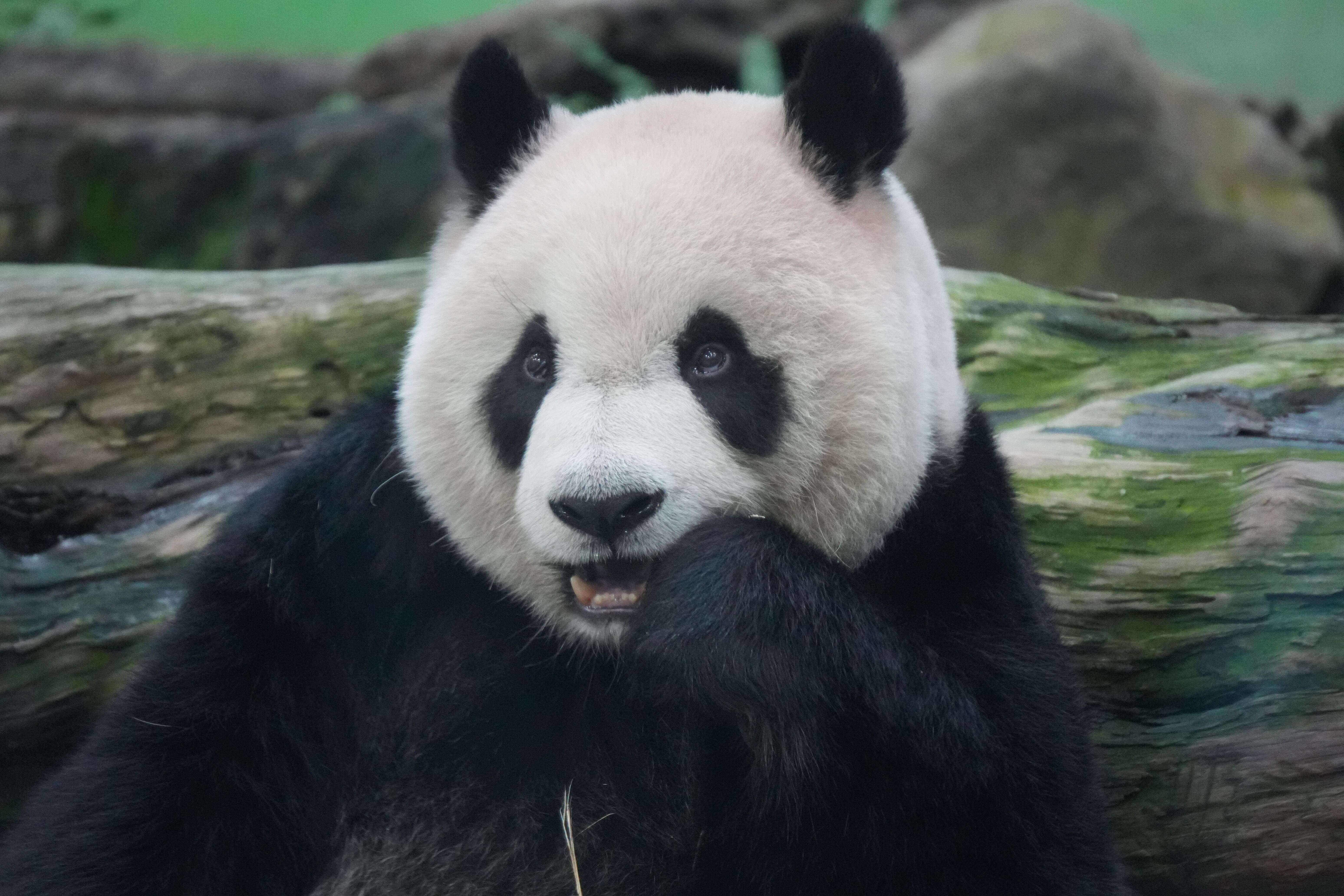
You shadow the keepers preparing food, cleaning and caring for the pandas, near enough to count whiskers. How near, exactly, we keep for when you book.
Volunteer days are closed days: no day-trip crowds, no jostling for the fence. Four homecoming pandas, their keepers, and you.
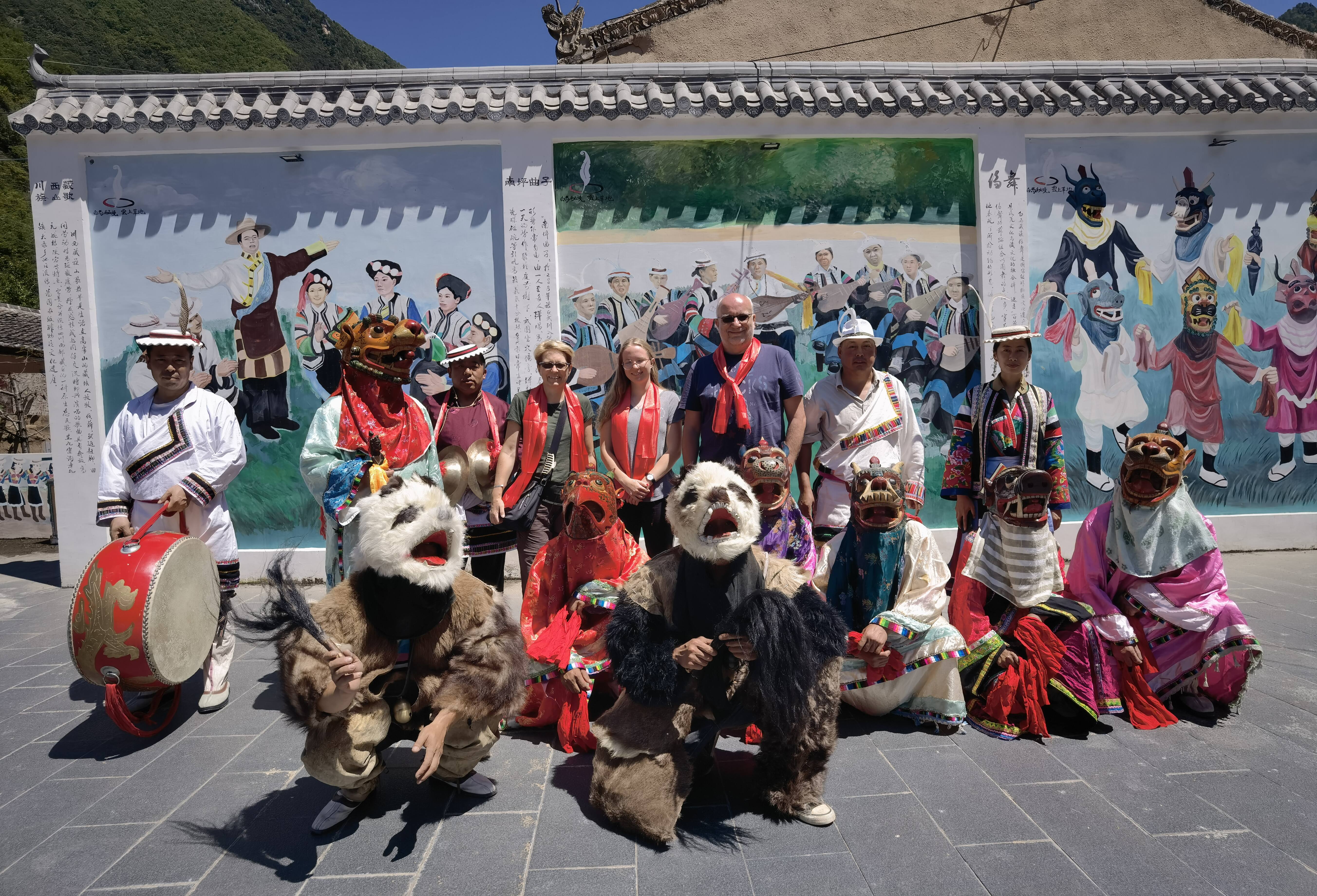
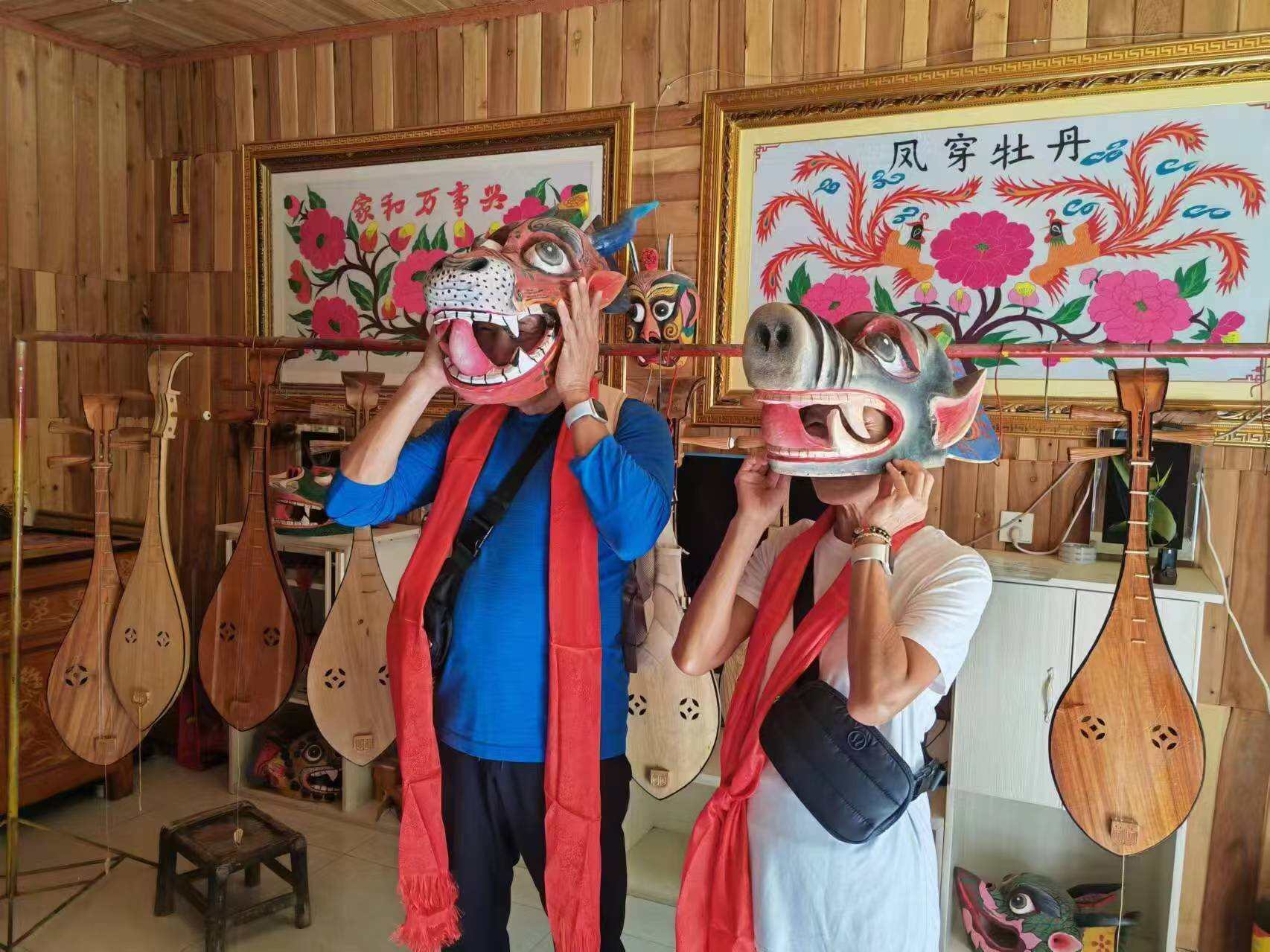
The Baima panda dance and the Zhou mask dance are national intangible heritage, and by some counts fewer than ten people alive can still perform the panda dance. You will see both, hear what they mean, and be pulled in for the last round.
Not a show village and not a restaurant: a family's own table, their everyday food, with your guide keeping the conversation moving both ways.
Why this isn't the usual volunteer program
- Close-quarters care, keepers watching throughout
- Volunteer days are closed to everyone else
- Four pandas retired home from zoos abroad
- And one part of the morning we keep off the page
Who and what you'll meet
A morning of animals and an afternoon of people. The same reverence runs through both.

The people who revere pandas
- The Baima are a small Tibetan people of the lower valleys around Jiuzhaigou, distinct in dress, language and belief from the Tibetans most travellers picture, and rarely in any spotlight. They have shared these hills with pandas since antiquity, and out of that neighbourly history grew something larger: the panda as guardian spirit, honoured in dance. Two of those dances, the panda dance and the Zhou mask dance, now sit on China's national intangible-heritage lists.
- A heritage listing does not stop a dance from dying out. The true bearers are down to a handful now, most of them old. The people keeping the dance alive spend their weekdays in the county town turning screws and fixing cars, because the dance alone will not make a living. The young leave for the cities year after year, and by some counts fewer than ten people can still perform the panda dance. Watching it is more than ticking off a heritage item. Through it you see how the modern world washes over a small and remote people, and what travellers who have come this far can still help them keep. This is not a spectacle that will wait for your next trip. See it now, while it is still danced by the people it belongs to.
How the day runs
-
Pandas are liveliest before noon, so you need to be at Jiawuhai Panda Reserve by 8:30. That is an arrival time, not a hotel pickup. The reserve sits near the county town, not beside the Jiuzhaigou scenic area, and today it is closed to everyone but you. Gear on, keepers' briefing, and into the volunteer shift.
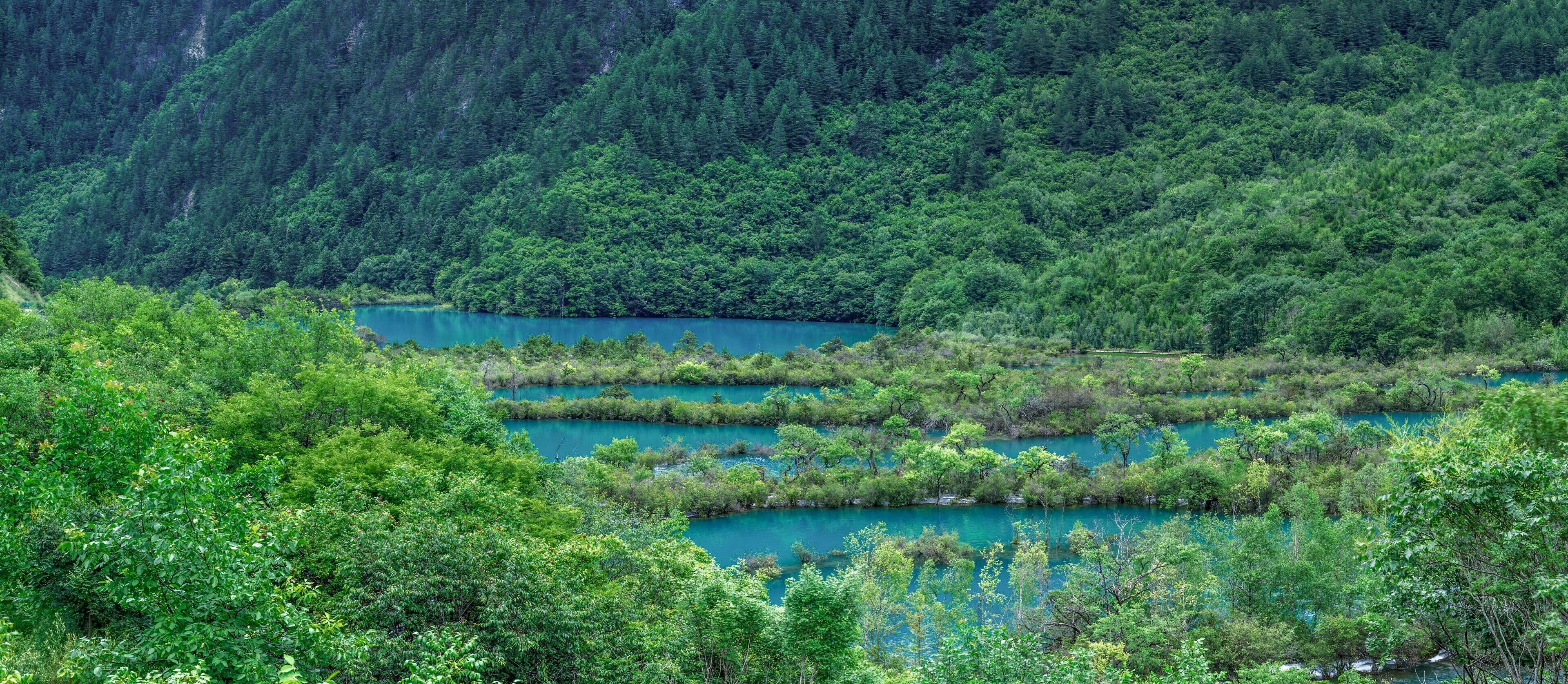
-
Bamboo prep, meal prep, cleaning, care. A real volunteer shift, every step on the keepers' terms. The closeness other programs pulled back still lives here. How near you get, your guide tells you when you book.
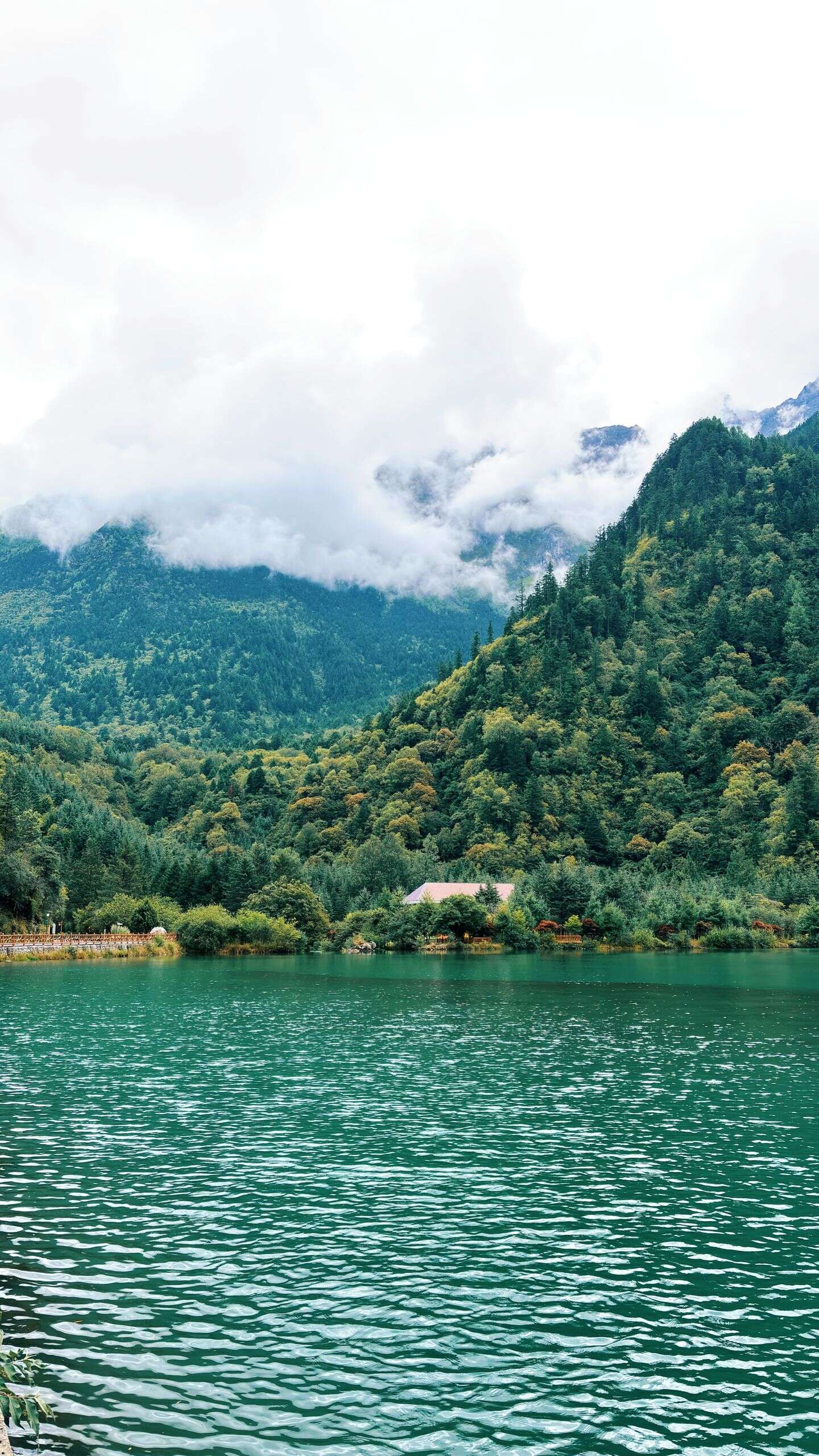
-
There is one more thing this reserve allows that we keep off the page. Ask your guide the day before, and hold your questions until then.
-
An easy drive into lower country, no high-plateau headaches here, to a village that has been expecting you. The village's name is shared after you book.
-
The village greets you with its own ceremony, then the square fills: the panda dance and the Zhou mask dance, each explained before it begins. When the last round comes, you are invited in.
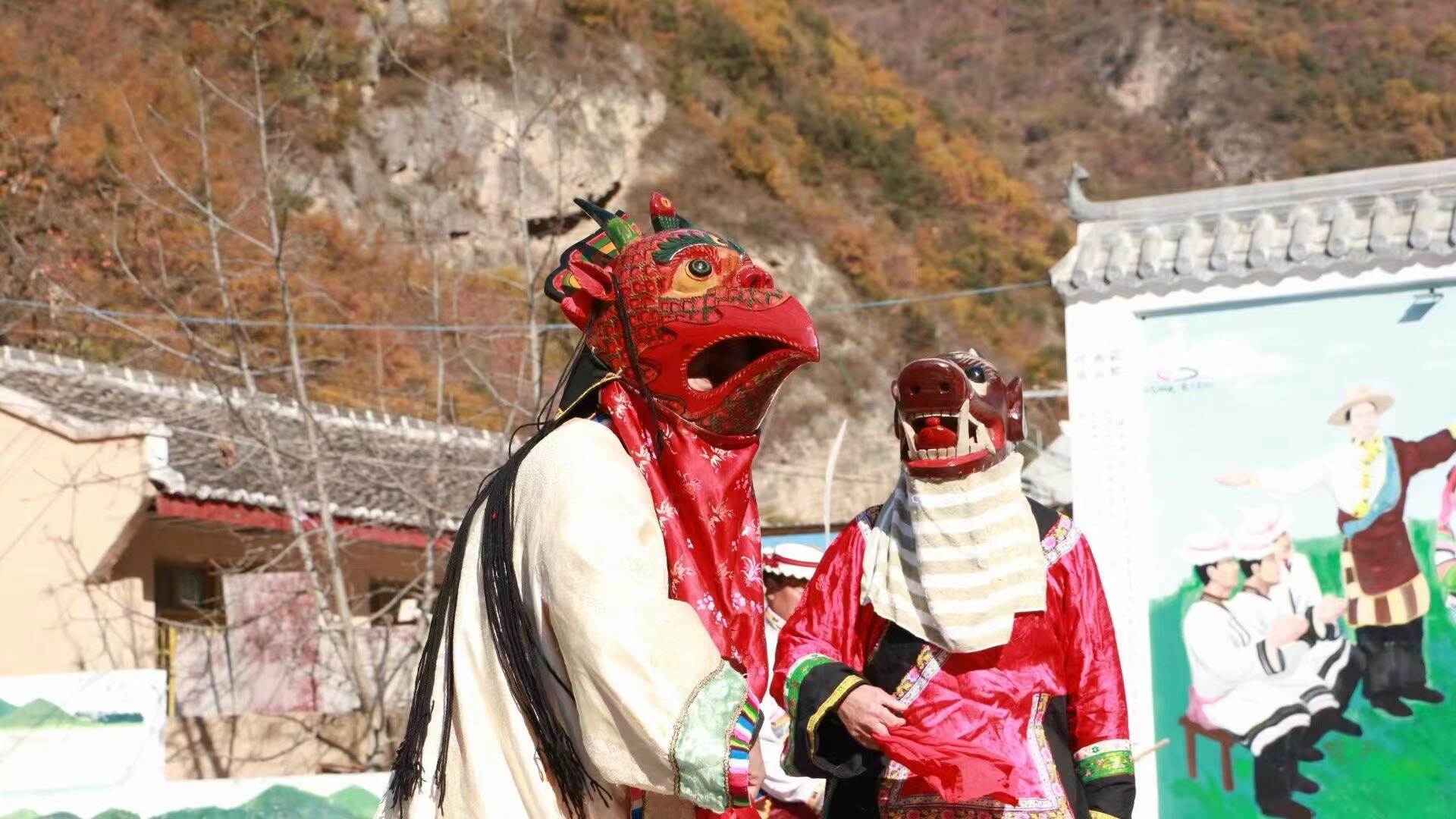
-
Into a villager's home for the meal they would be eating anyway, lunch or dinner as the day falls. The guide sits with you, turning questions both directions, until the table talk runs on its own.
-
Eight to nine hours after it began, the day rolls back to your Jiuzhaigou hotel.
"In the end, guests ask one thing of pandas: to be as near them as they can get. When the big programs had to pull that closeness back, we drove north and found the one reserve, and a village, arranged by us alone. The morning is for the pandas. The afternoon is for the people who were honouring them centuries before the rest of us learned to say panda. And the dance has fewer people who can perform it every year. I don't know a stronger reason to go now."
Sam · City master, Chengdu
Good to know
Included
- Volunteer session with close-quarters panda care
- Village welcome ceremony
- Panda dance and Zhou mask dance, explained and joined
- Home-visit meal with a Baima family, the Baima table
- Guide throughout the day
- Working lunch at the reserve (simple fare)
Is this day for you?
Made for you if
- Pandas are half the reason you booked Sichuan at all
- You want your hands in the work, not your face at the glass
- You'd trade any staged show for a seat at a real family's table
Think twice if
- You can't give Jiuzhaigou 3–4 days. We'll set up the Chengdu-area volunteer day instead and tell you exactly what it is now
- You need every detail in writing before you commit. One part of this morning is deliberately kept off the page
- 8–9 hours is a long day. Tell us who's coming and we'll pace it
The journeys this day rides in
This day is the reason to point a journey north at all.
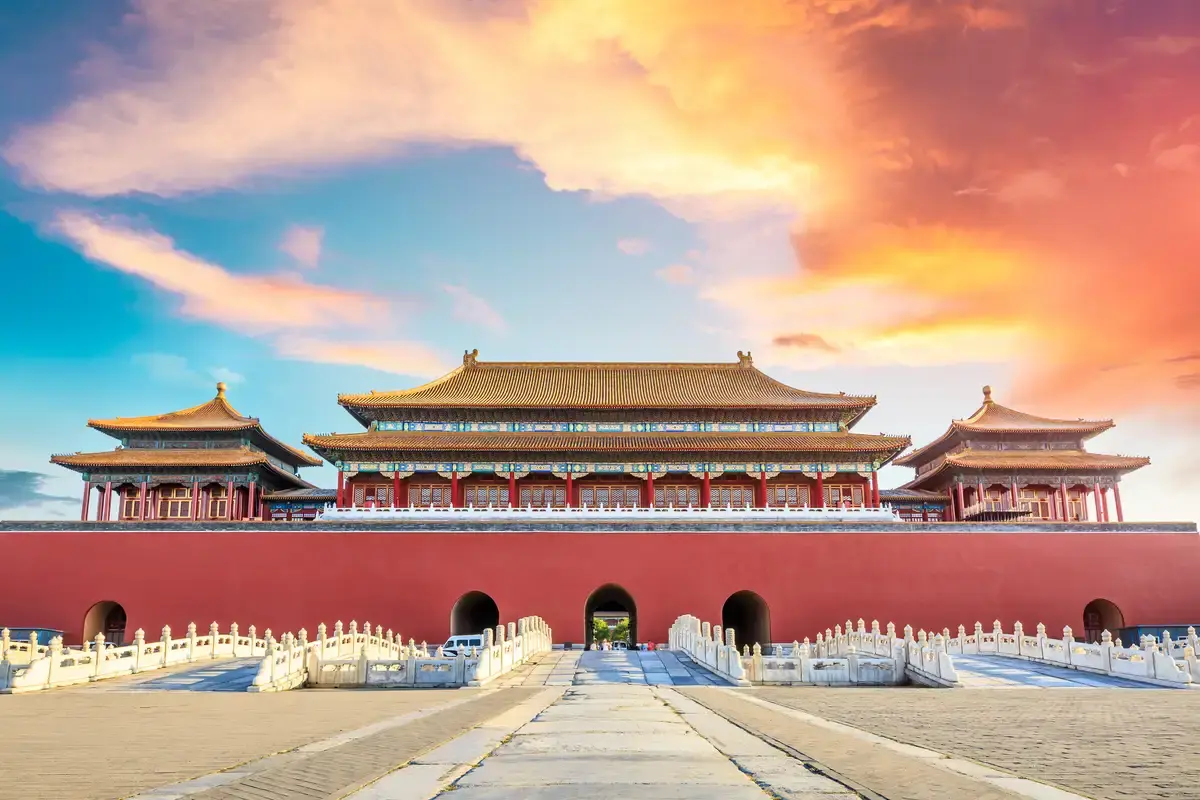
Put this day inside your Jiuzhaigou plans
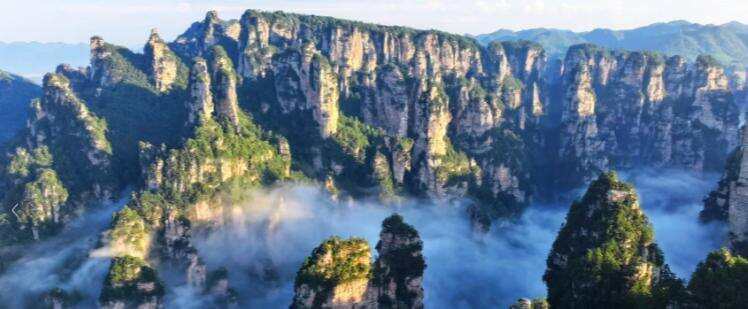
Jiuzhaigou earns three or four days of any Sichuan route. This is the one that makes the drive worth it. Tell us what you're planning and we'll build the valley leg around it.
Start planning- Reserve closed to others
- Close-quarters care
- National-heritage dances
- One extra we keep off the page
FAQ
Can we really get close to the pandas?
Yes. That is why we come this far. Close-quarters care still happens here, with keepers watching every step. Exactly how close, we save for a one-on-one when you book. We do not lock it down in writing; that is how we protect the reserve.
How close is 'close'?
Closer than anywhere else we know, and that is all we will put in writing. The rest is a conversation between us, the reserve and you. Ask when you book, and we will tell you what we can.
Will there be other visitors?
No. On volunteer days the reserve receives volunteers only: no day-trip crowds, no queue at the fence. The same goes for the village. You are received as guests, not as an audience.
Is the altitude a problem?
Not on this day. The Baima villages sit in a lower valley than the high Tibetan country people imagine, and the reserve sits in that same lower country. No acclimatising routine needed.
How many days does Jiuzhaigou need?
Plan 3–4 days for the northern leg all told. The valley's own scenery deserves its time, and this day takes one of them. A shape that works: Chengdu first, then the high-speed rail to Huanglong-Jiuzhai station (or Songpan), two days based by the scenic area (one for Huanglong, one for Jiuzhaigou, the Fairy Pools if you like), then a night in the county town so you reach Jiawuhai Panda Reserve by 8:30 the next morning. The rest we shape around your flights.
What if we're not going to Jiuzhaigou at all?
Then we will arrange a volunteer day at the bases around Chengdu and be straight with you about it: since the policy changed there is no close contact there, at the same fee as before. Some guests still enjoy it. You decide with the facts in hand.
What if I decide to skip Jiuzhaigou entirely?
So we'll arrange a volunteer day at the base near Chengdu, and let's be upfront: after the policy change, there is no close-contact interaction, and the fee remains the same as before. Some guests still enjoy it; we've laid out the facts—now it's up to you.