


01
Overview
The country stands on end, and this plan walks it that way. Beijing at forty-four metres, Xi'an at four hundred, Chengdu at five hundred, then one flight to 3,650, where the first day is a rest day because the air slows you down whether you agree with it or not. What goes up comes down, and here the descent is by water: three nights on the Yangtze with the river doing the work while you do none of it. Shanghai hands you back to sea level with two weeks of country behind you. You'll come home noticing your own breathing on the stairs.
— LyrikTrip travel designers
Every LyrikTrip journey begins with a conversation. Tell us who is coming, your dates, and anything about heart or lung history that a plateau section needs to know. First reply within four hours; a clear written answer within one business day. On this route that answer will tell you plainly where the Tibet permit, the Lhasa sourcing and the departure calendar stand, before you are asked for anything at all. When we cannot yet sell you something, we say which one it is and what has to happen first.
Why you'll love this trip
- Up the plateau, down the river. The Great Wall, the Terracotta Warriors, pandas and three nights on the Yangtze, with English-speaking guides city by city.
- 18 days from the Forbidden City to the Bund. Cross the whole arc of China.
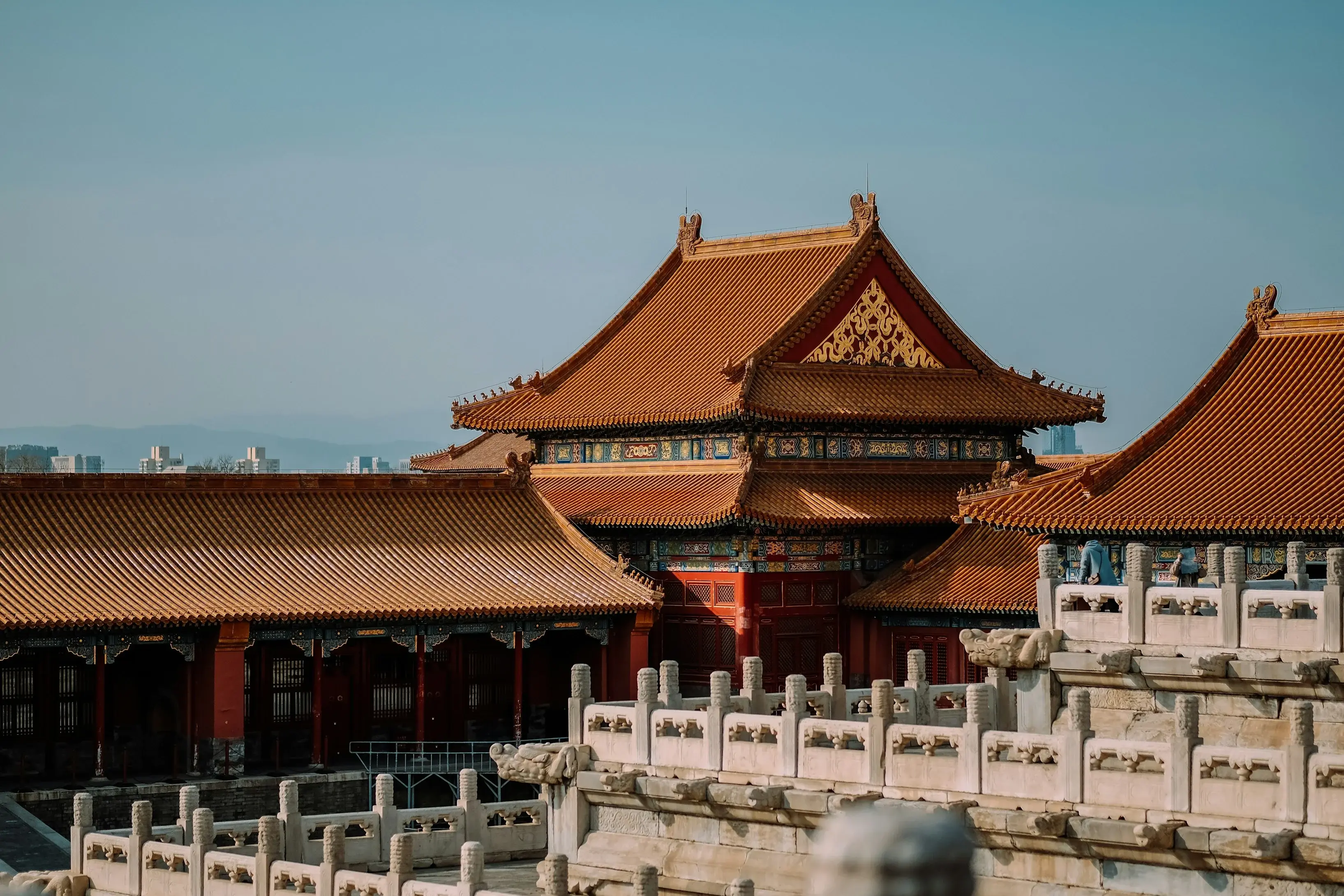
- Climb the hill behind the palace and look back down at the golden roofs you spent the morning walking through: the whole Forbidden City lies flat below you, and the axis it sits on runs straight out of the frame, north and south.
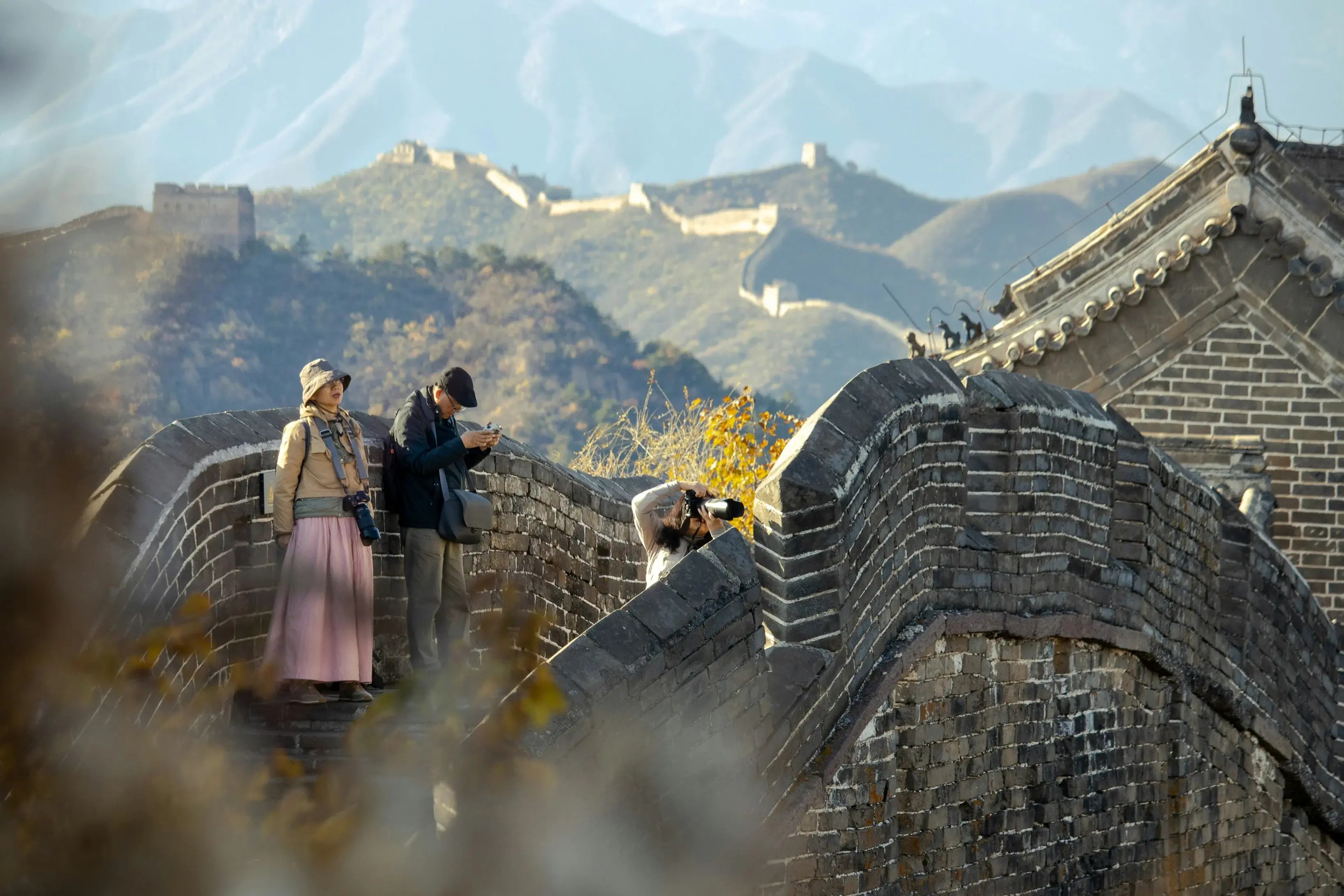
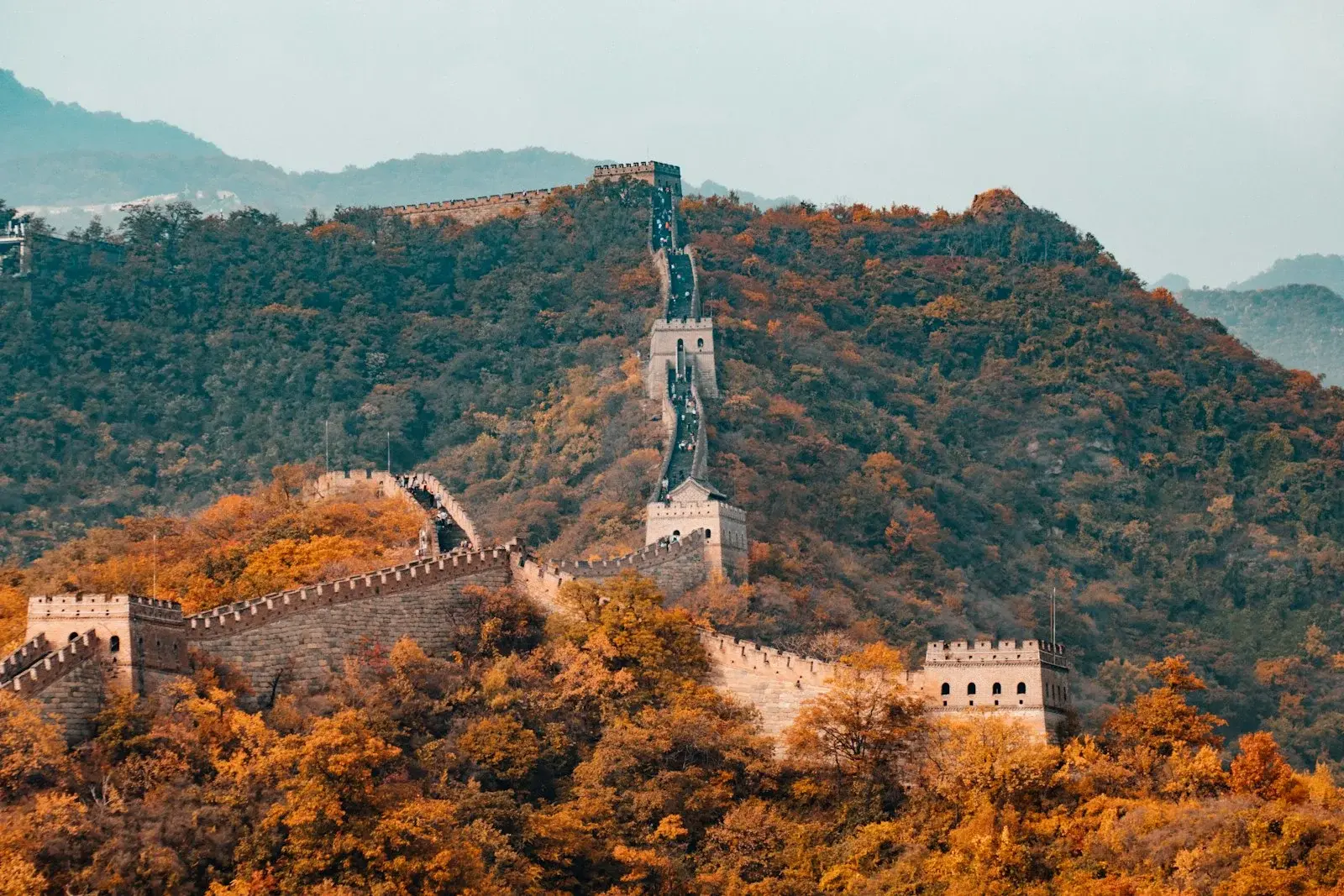
- Ride the cable car up to the Great Wall at Mutianyu and arrive on the ridge with your legs unused: the watchtowers step away along the spine of the hills in both directions, and you get the wall on the morning you were meant to get it, not after an hour of stairs.
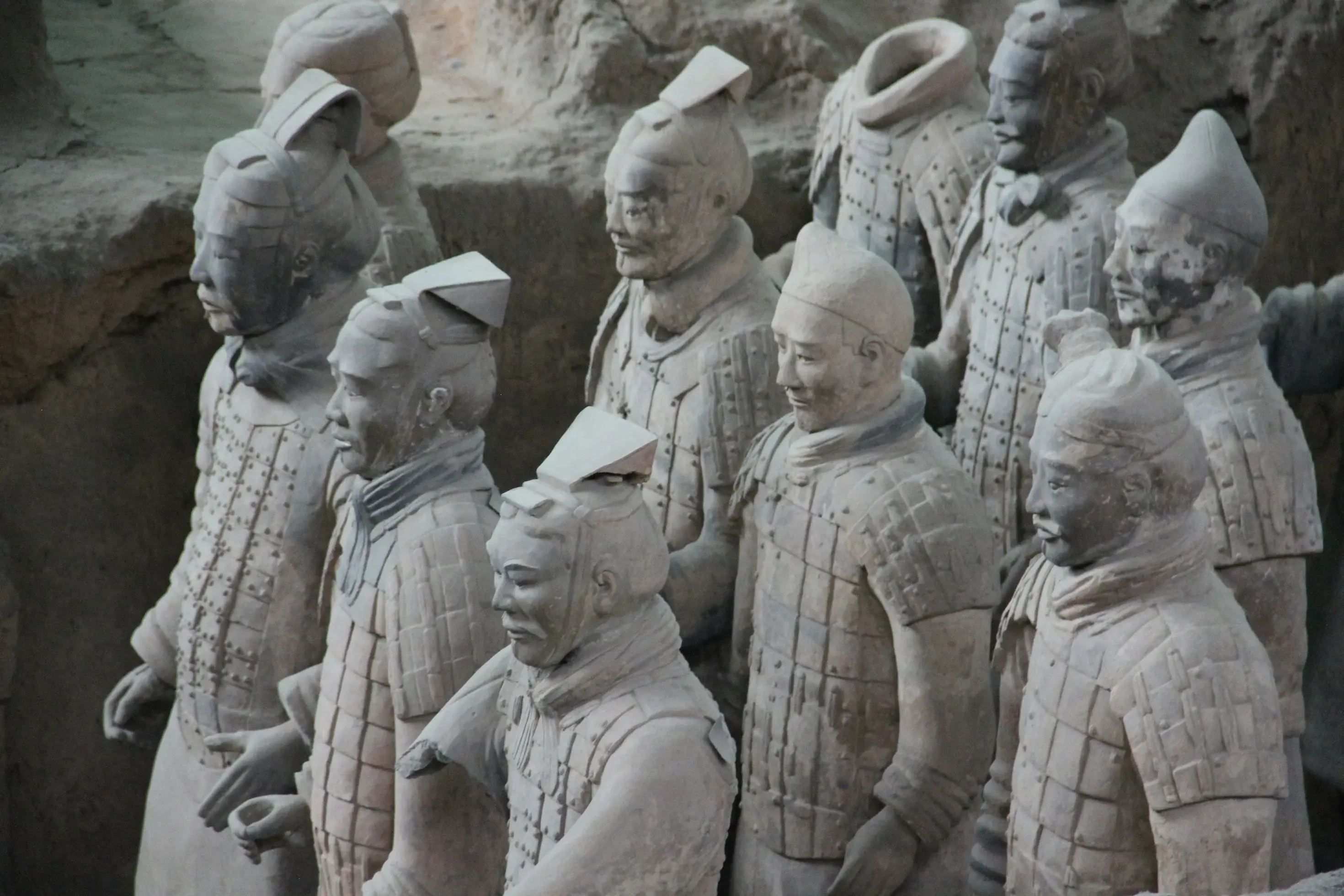
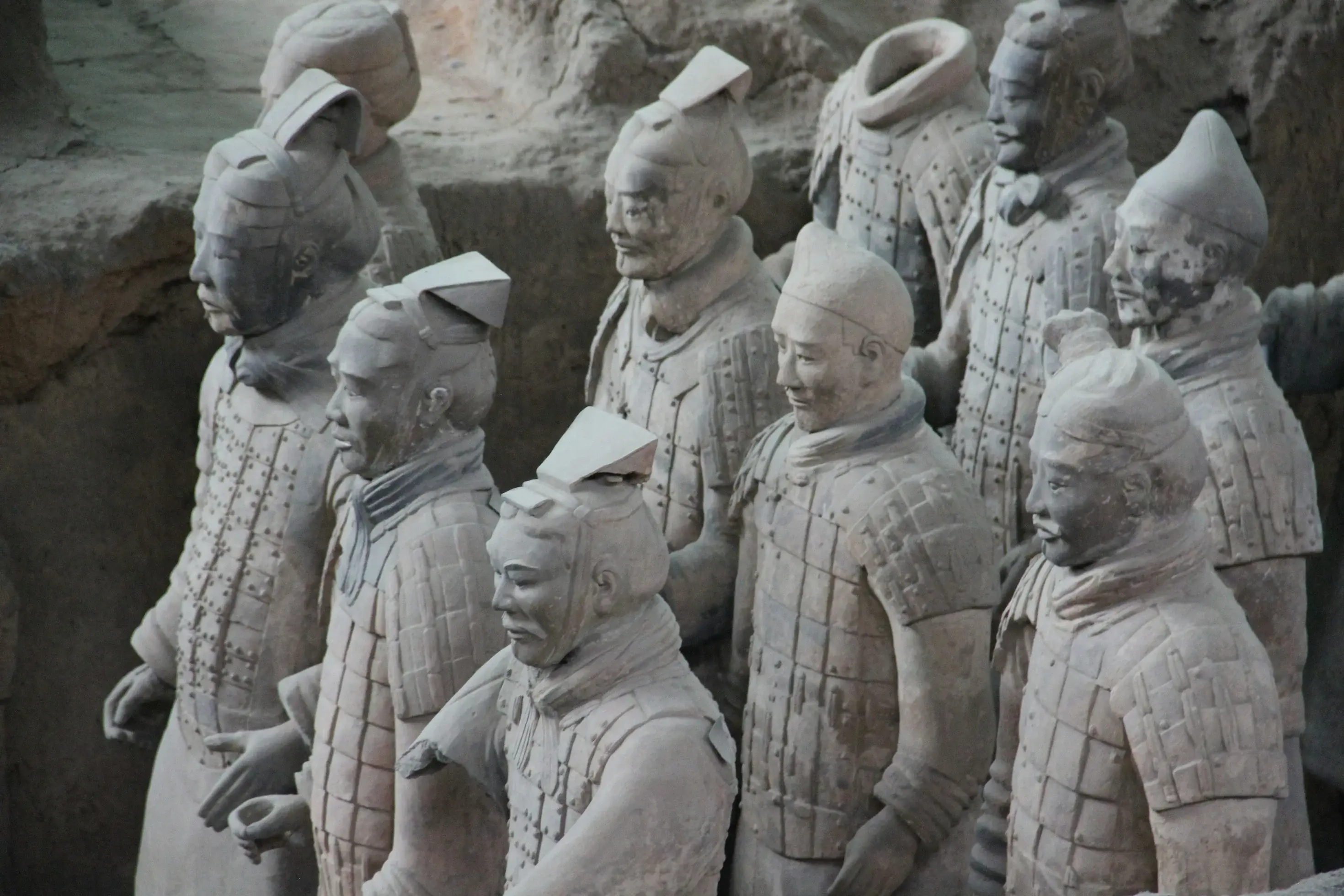
- Give the buried army of the first emperor a whole day instead of a stop: an estimated eight thousand figures, no two faces alike, and by the second pit hall you can tell a general from a crossbowman by his armour and the knot of his hair.
- Cycle along the top of Xi'an's ancient city wall, where the parapet runs level above the traffic: for an hour, the city belongs to whoever is pedalling on the ramparts, and you come off it knowing exactly how vast the walled city once was.
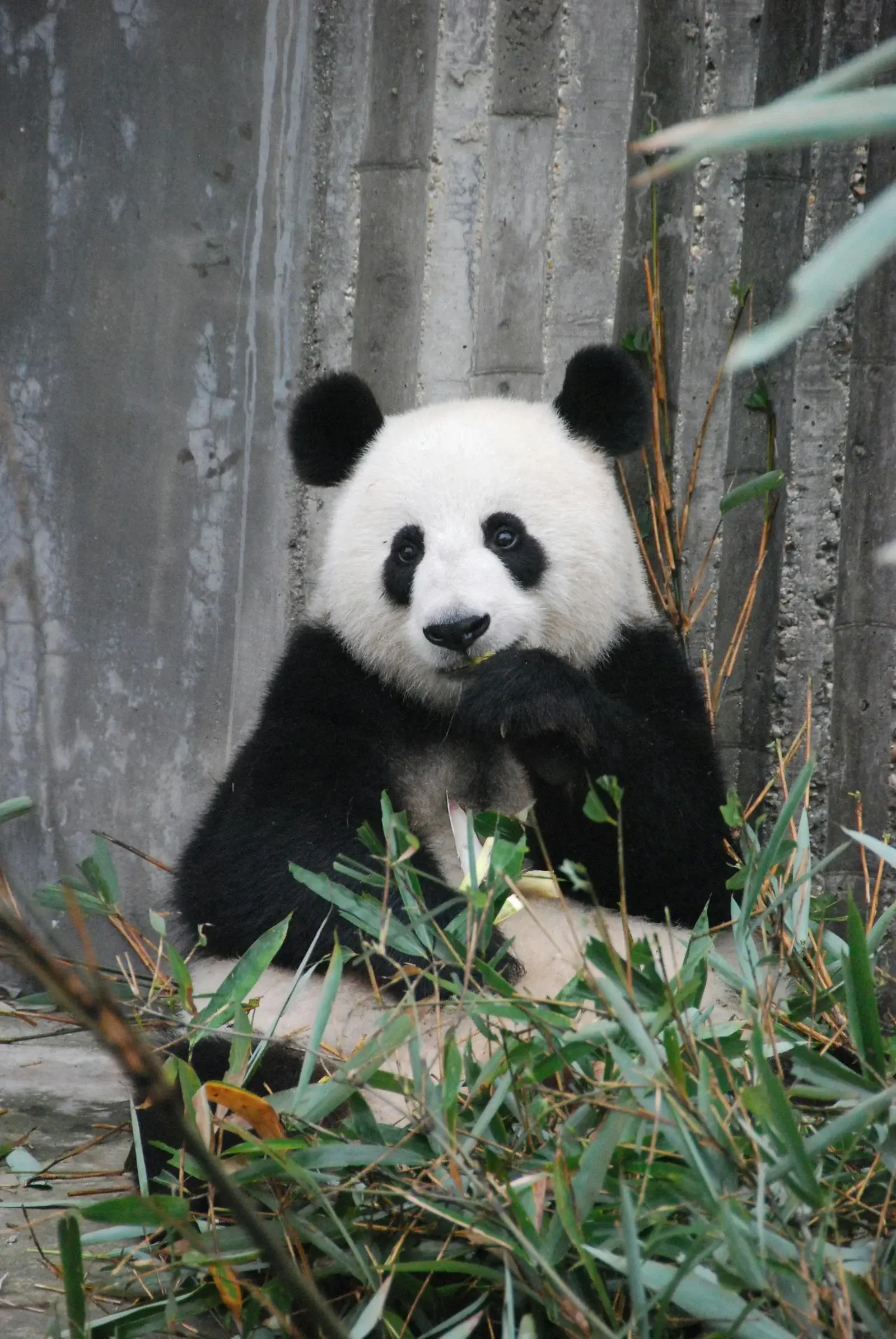
- Get to the panda base in the morning, during the hours when the animals are actually active, and stay long enough to watch one climb down from a platform and then think better of it.
- Settle into a bamboo chair in a Chengdu park with a gaiwan before you and let the afternoon drift by: refills come as long as you stay, and nothing is scheduled afterwards.
- Finish at sea level on the Shanghai waterfront after dark, having crossed the river on the boat the city commutes by: the old bank buildings on one bank, the towers on the other and 3,650 m two weeks behind you.
Things to do
02
03
04
05
06
07
08
09
10
11
Itinerary
Arrivals

Beijing · Day 1 - Day 3
· Land, and do nothing
Your driver meets the flight, whatever hour it lands. Nothing on this route asks anything of you today.
· One line through the palace, then the hill behind it
The palace first, on one axis, then the one hill that shows you what you just walked through. This is the day the scale of the place lands.
· The wall, without the climb
A cable car does the ascent, so the ridge arrives with your legs unused. One thing today, and the whole day for it.
High-speed rail

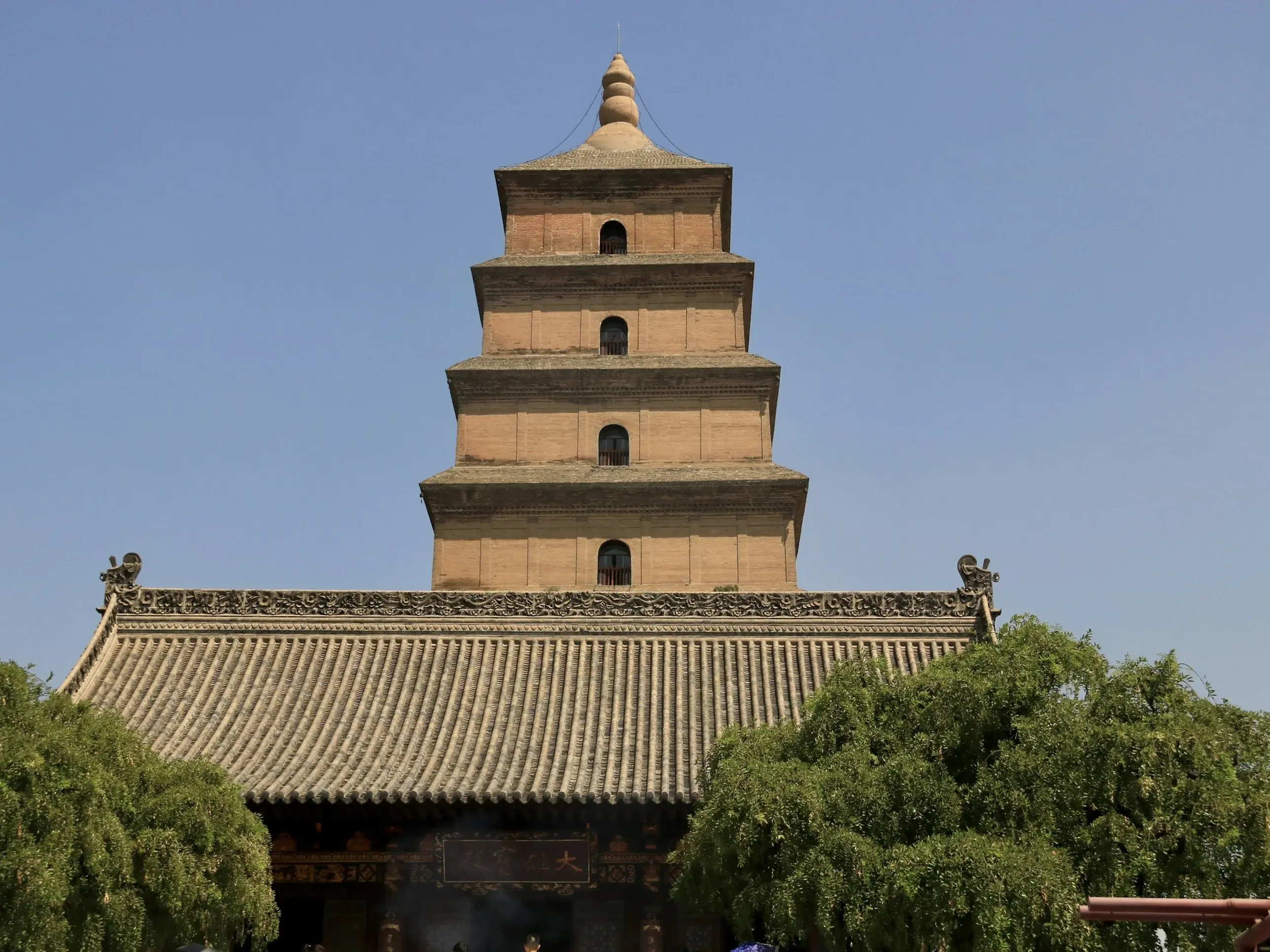
Xi'an · Day 4 - Day 5
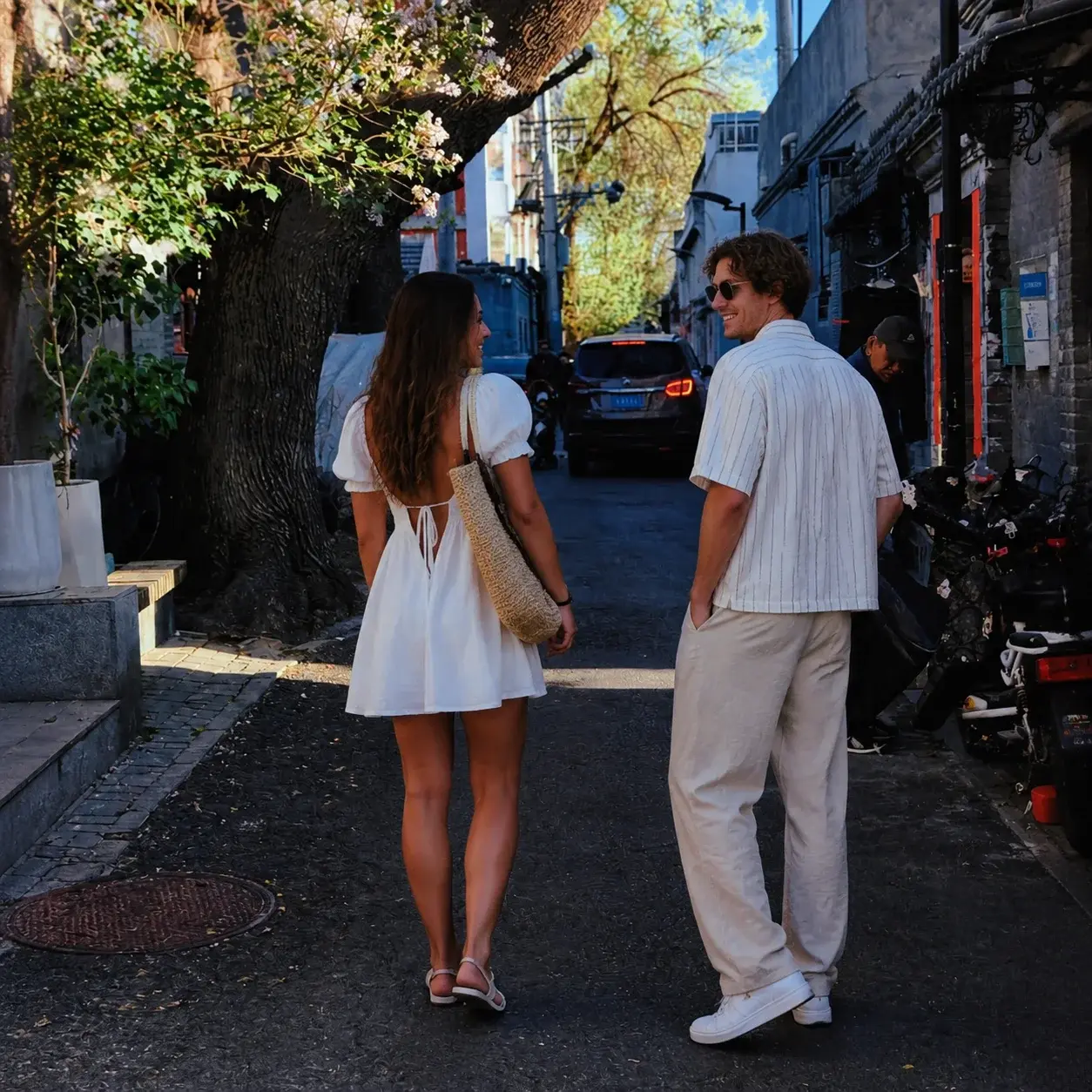
· A lane in the morning, a train in the afternoon
Old Beijing on foot while the neighbourhood is doing its errands, then 1,200 km of North China Plain at 300 km/h. Today the country starts changing under you.
· Eight thousand faces
The buried army gets the whole day, not a stop between two other things. By the afternoon you are reading ranks off armour.
High-speed rail
Chengdu · Day 6 - Day 7

· On the wall, then through the mountains
An hour of pedalling on a fourteenth-century parapet, then a train that tunnels the mountain range dividing northern China from southern. Today you cross a watershed, literally.
· Pandas early, then nowhere to be
The morning is spent where the animals are actually awake. The afternoon is spent in a chair. This is the last easy day before the plan goes up.
Flight
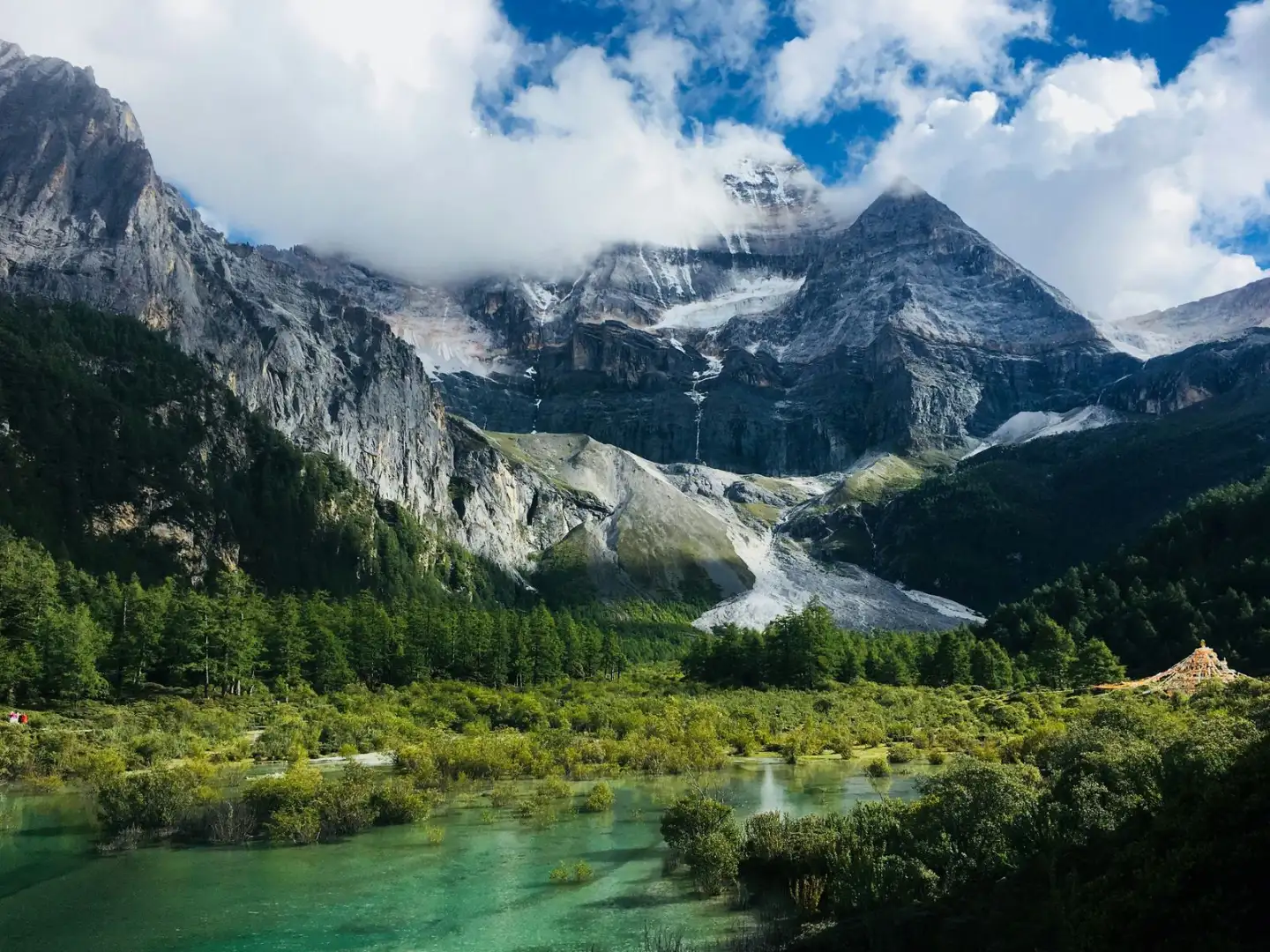
Lhasa · Day 8 - Day 11
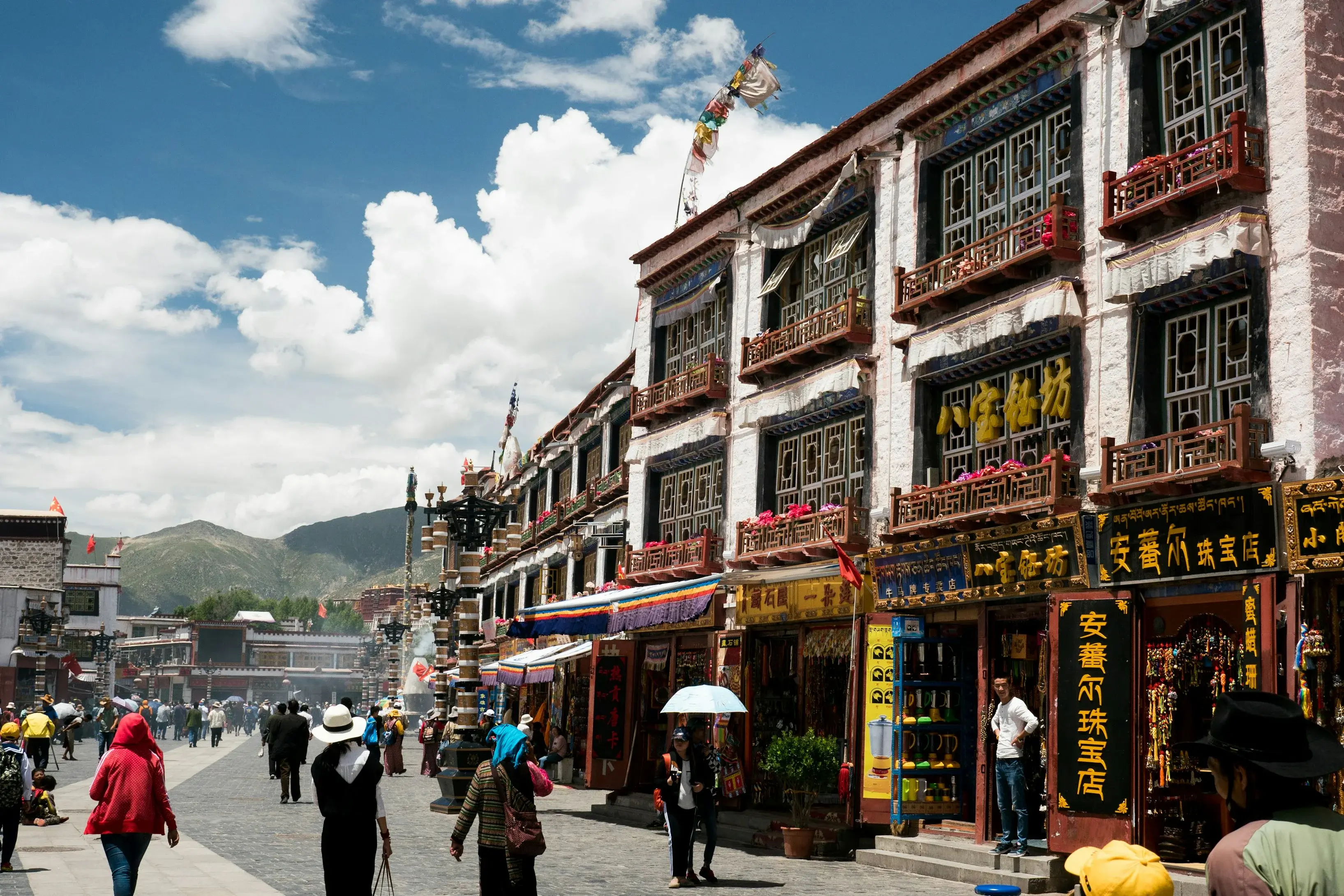
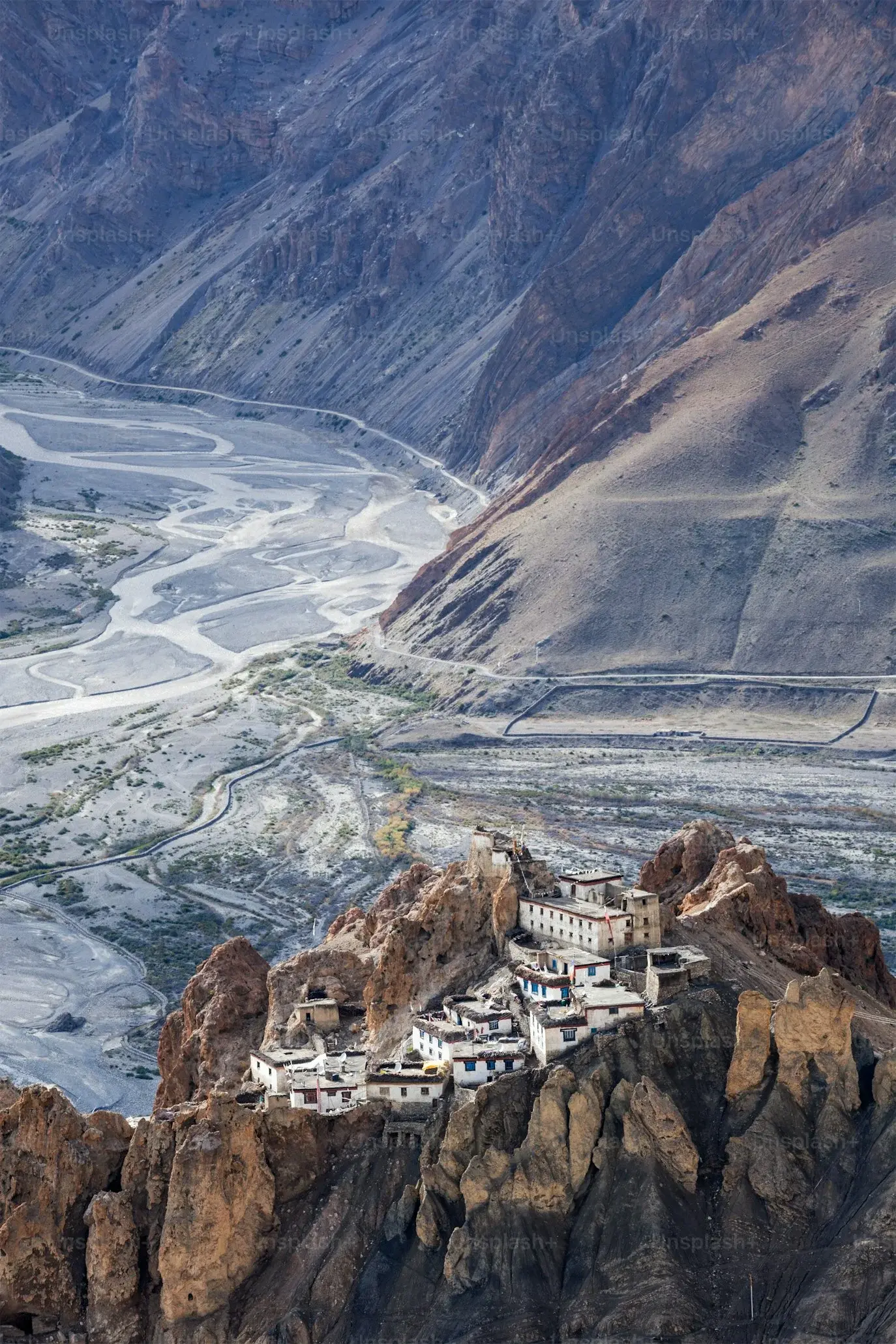
· Five hundred metres to three thousand six hundred and fifty
One flight, one whole day, nothing else on it. The plan gains its altitude in a single move and then stops moving.
· The day with nothing in it
An acclimatisation day, and the only real work is breathing. The plan builds this day in first and everything else fits around it.
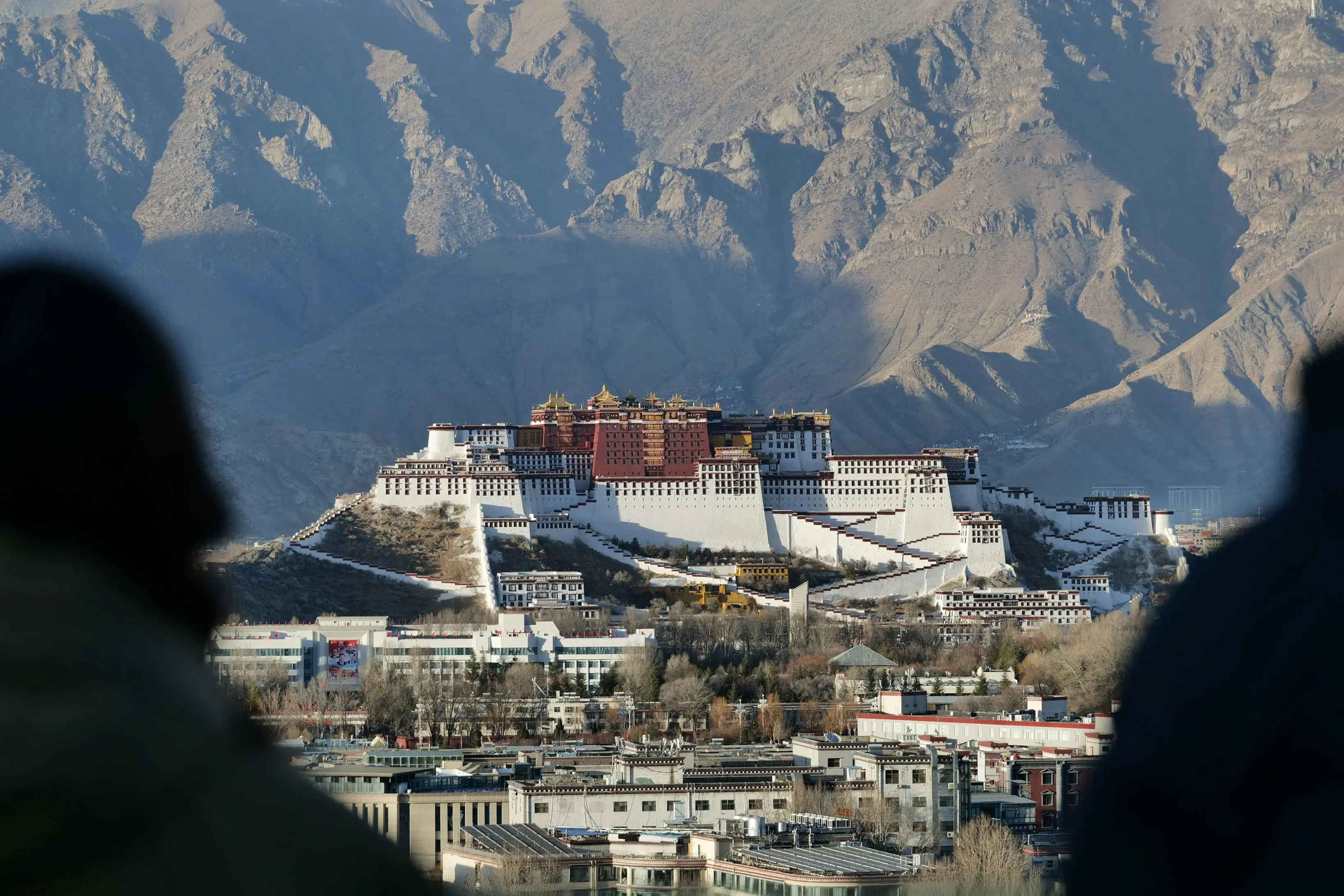
· The palace above the city
One building, one morning, and the rest of the day left alone. At this altitude the plan carries a single item a day.
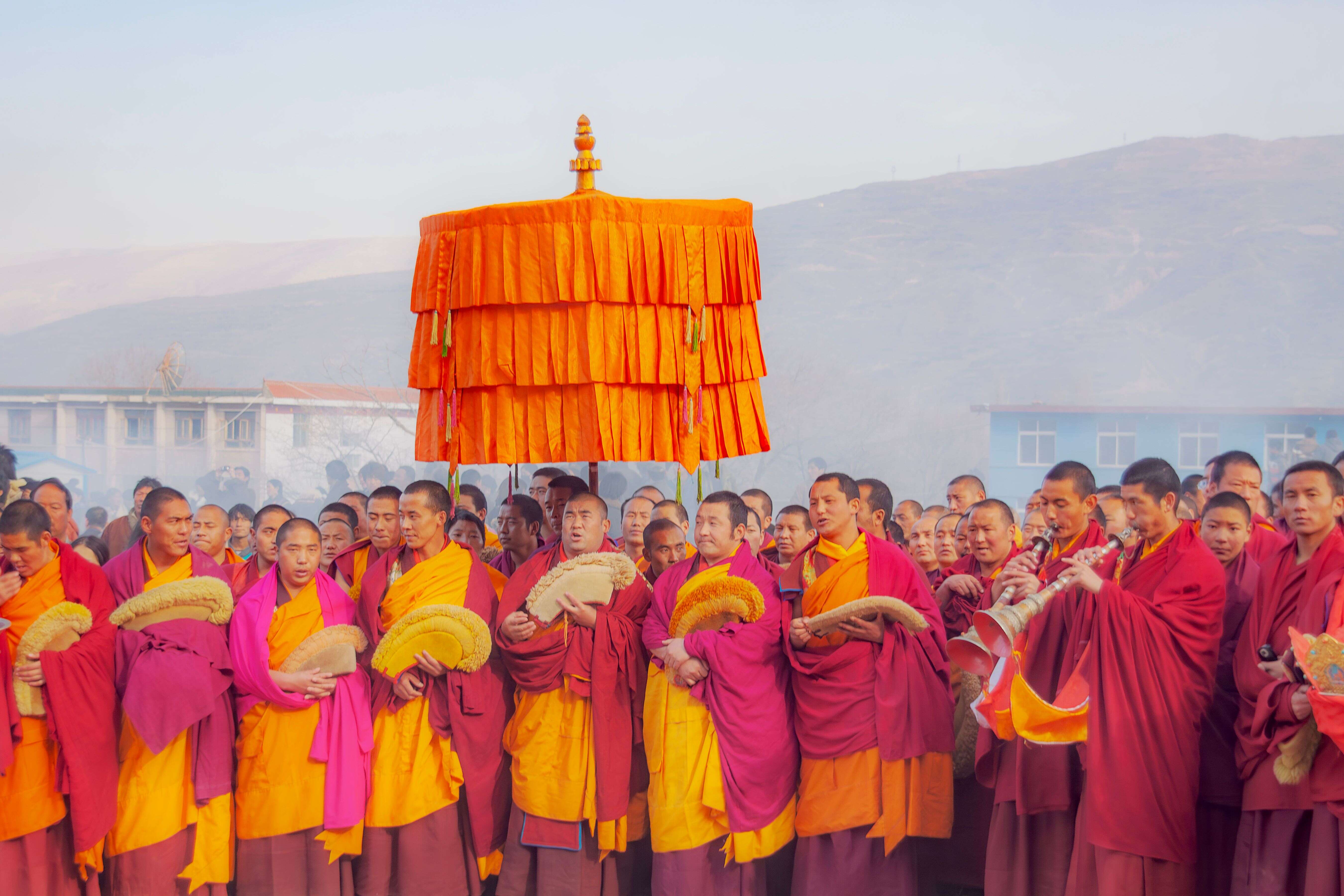
· The temple people walk around
A working pilgrimage site in the morning, a monastery courtyard in the afternoon. Today is about what people do here, not what was built here.
Flight
Chongqing · Day 12 - Day 14
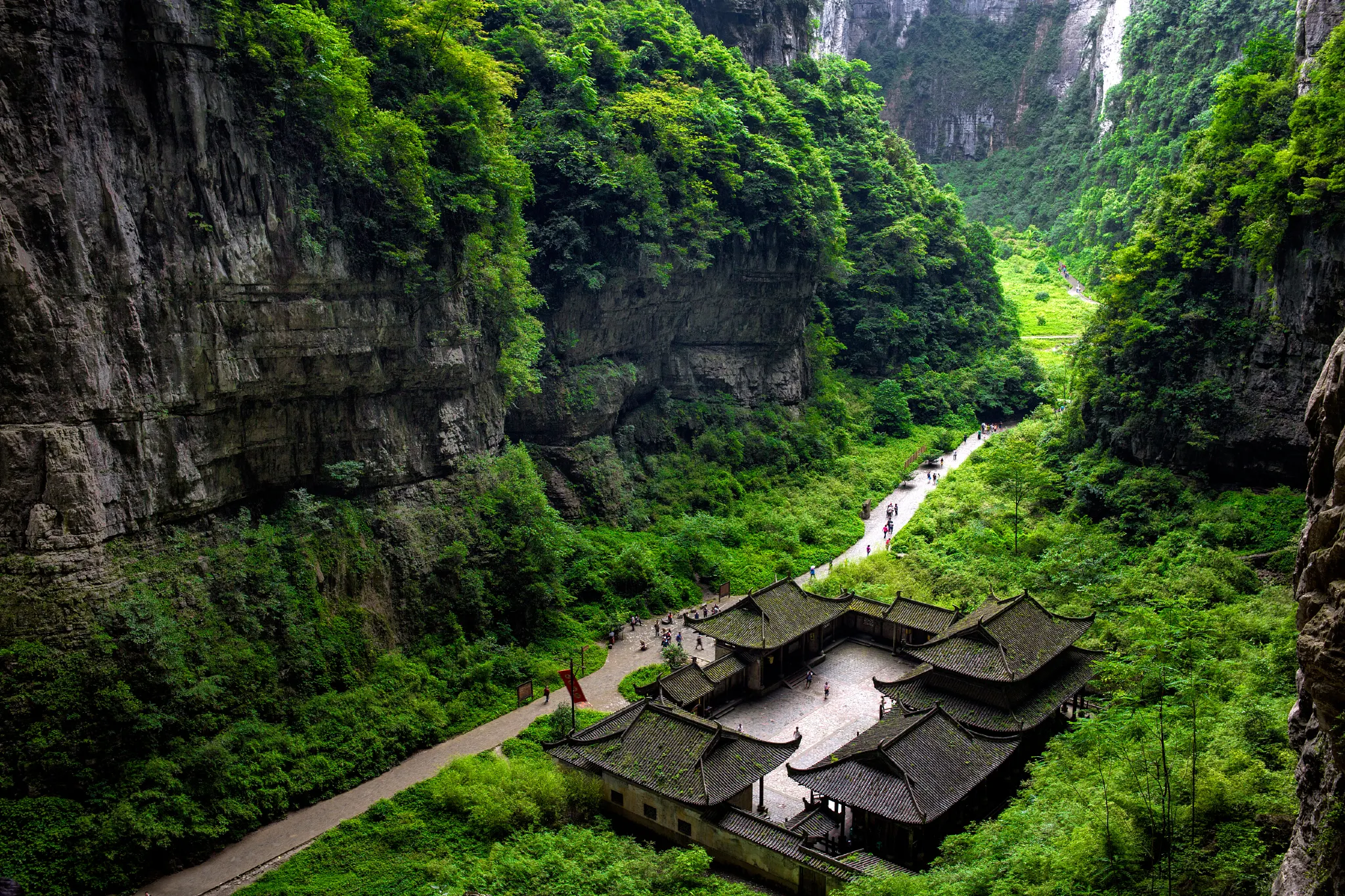
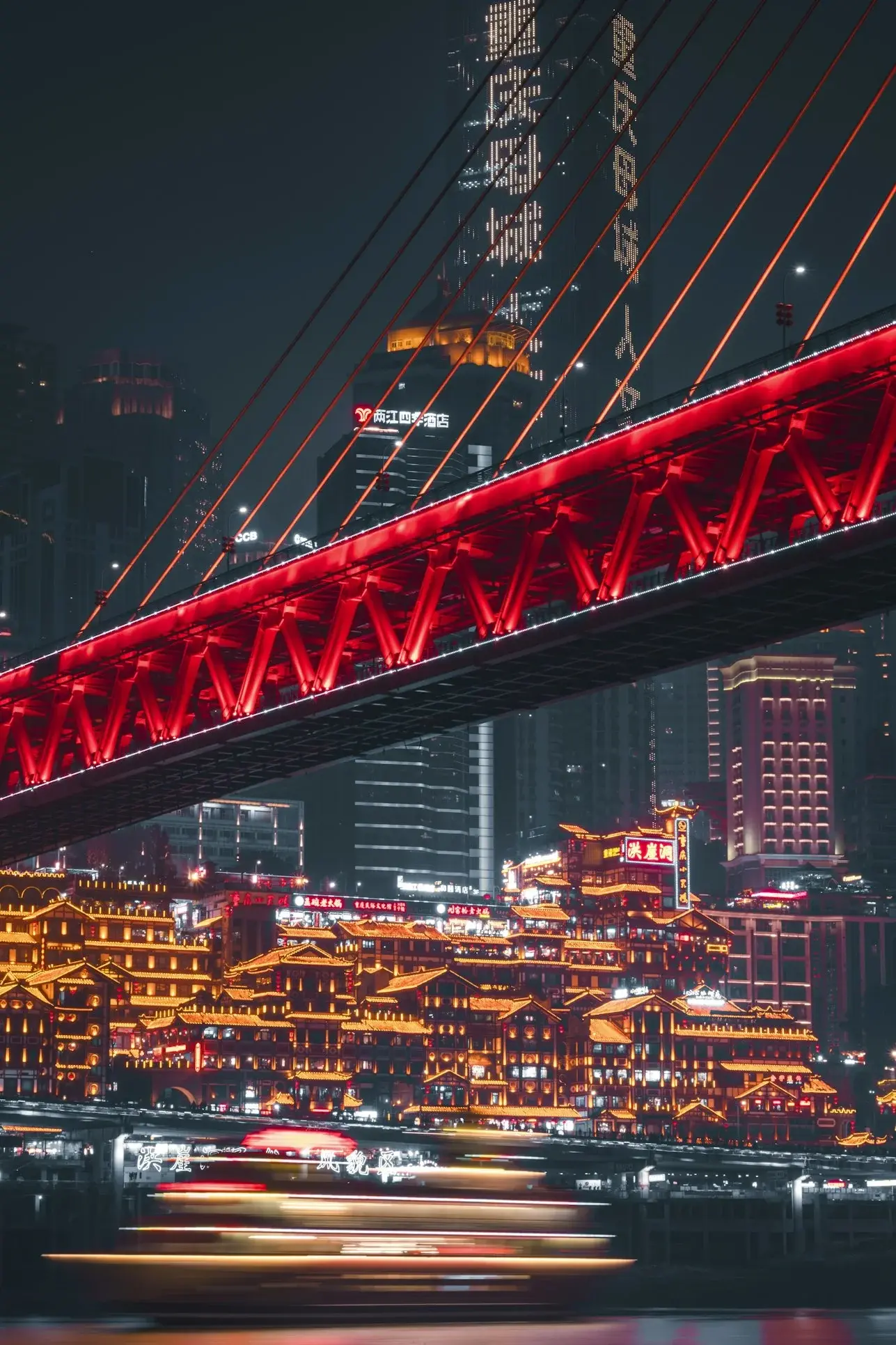
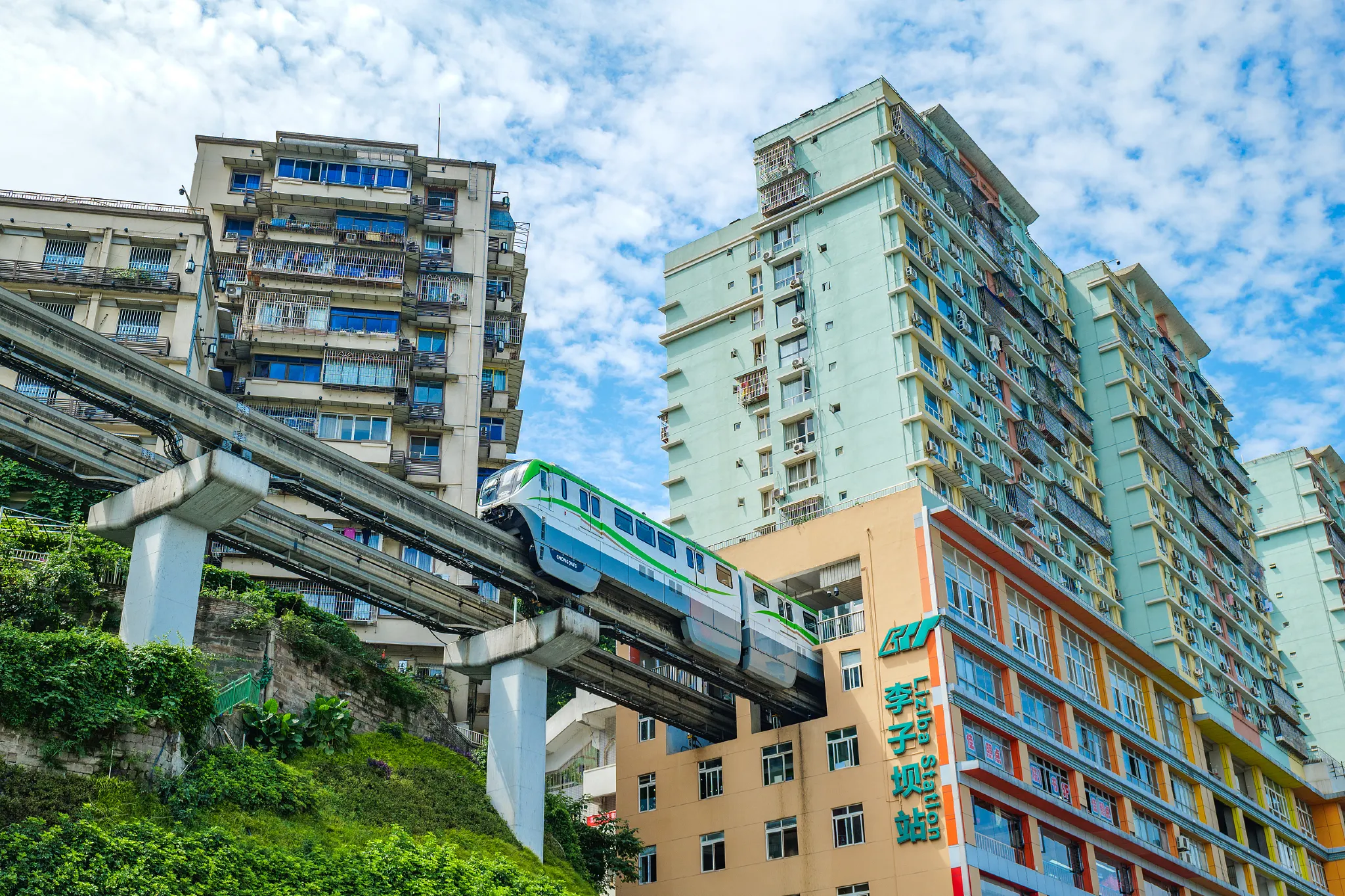
· Down three thousand metres before dinner
The plan gives back its altitude in one flight, and the body notices within the hour. Tonight you sleep at 260 m.
· A vertical city, then a ship
A morning in a city built on slopes, then you board and stop packing for three nights. The moving part of the trip ends today.
· A day of gorges and a lock
The river narrows, the walls rise on both sides, and the ship spends part of the day being lifted inside a concrete chamber. Nothing today requires you to be anywhere.
Yangtze cruise

Yichang · Day 15
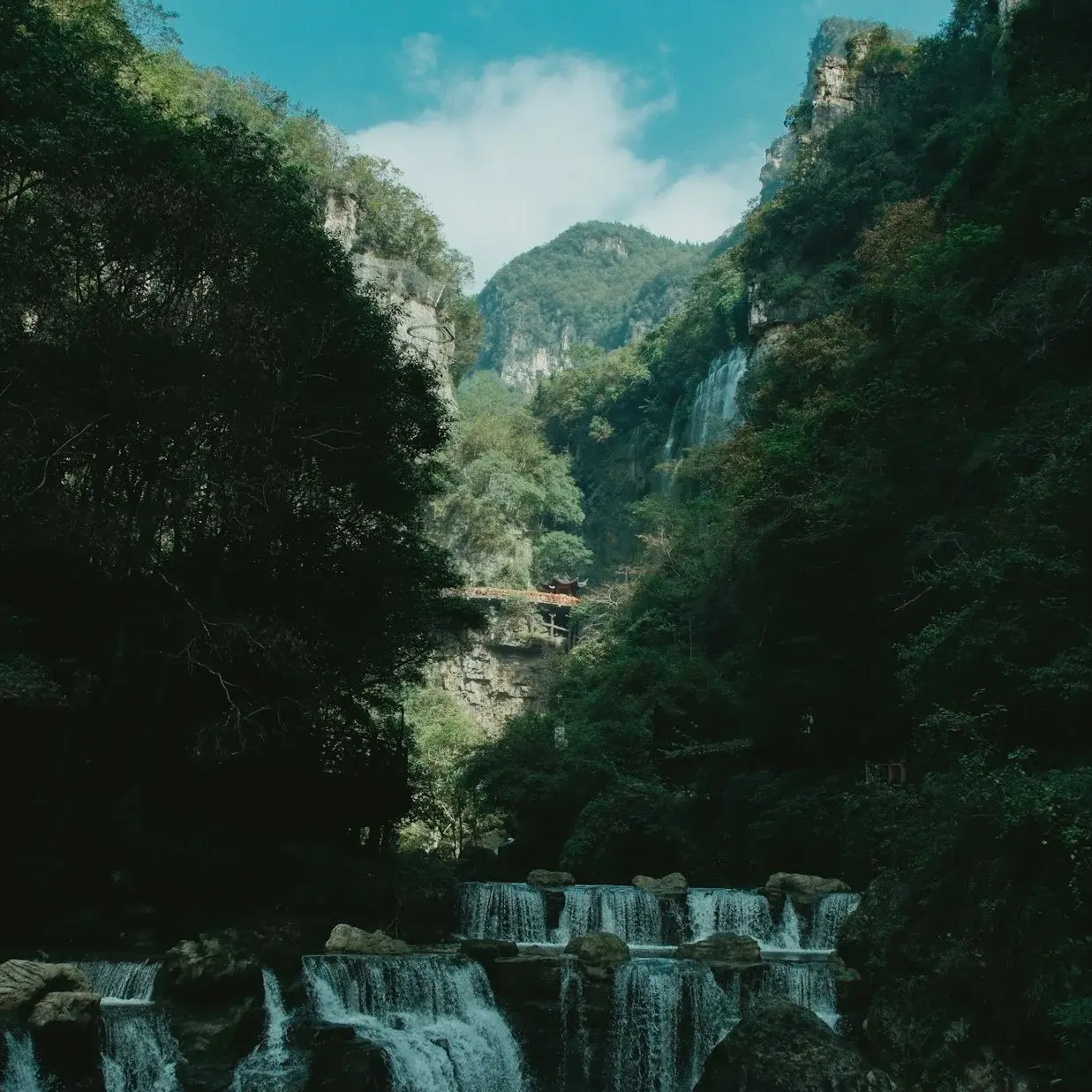
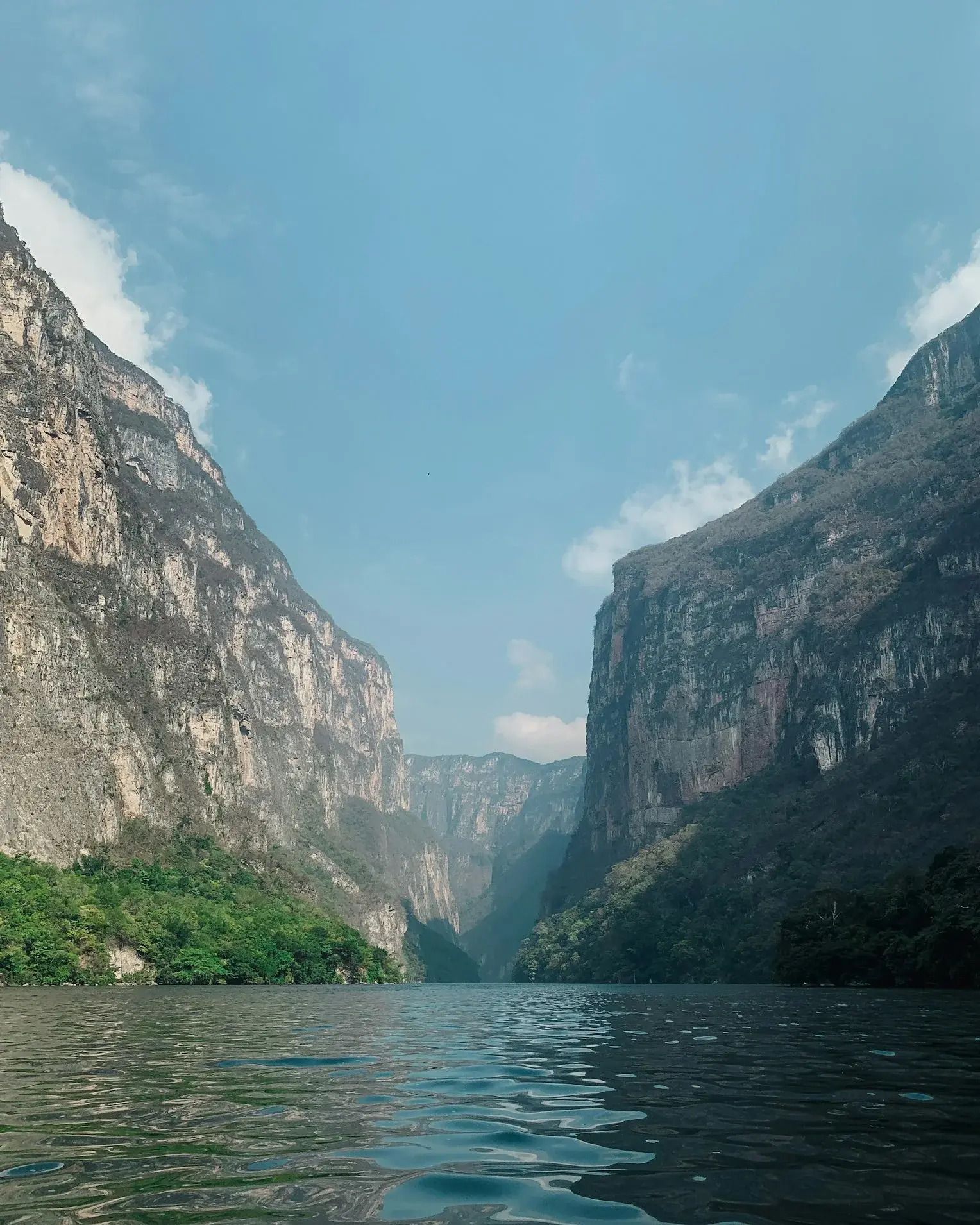
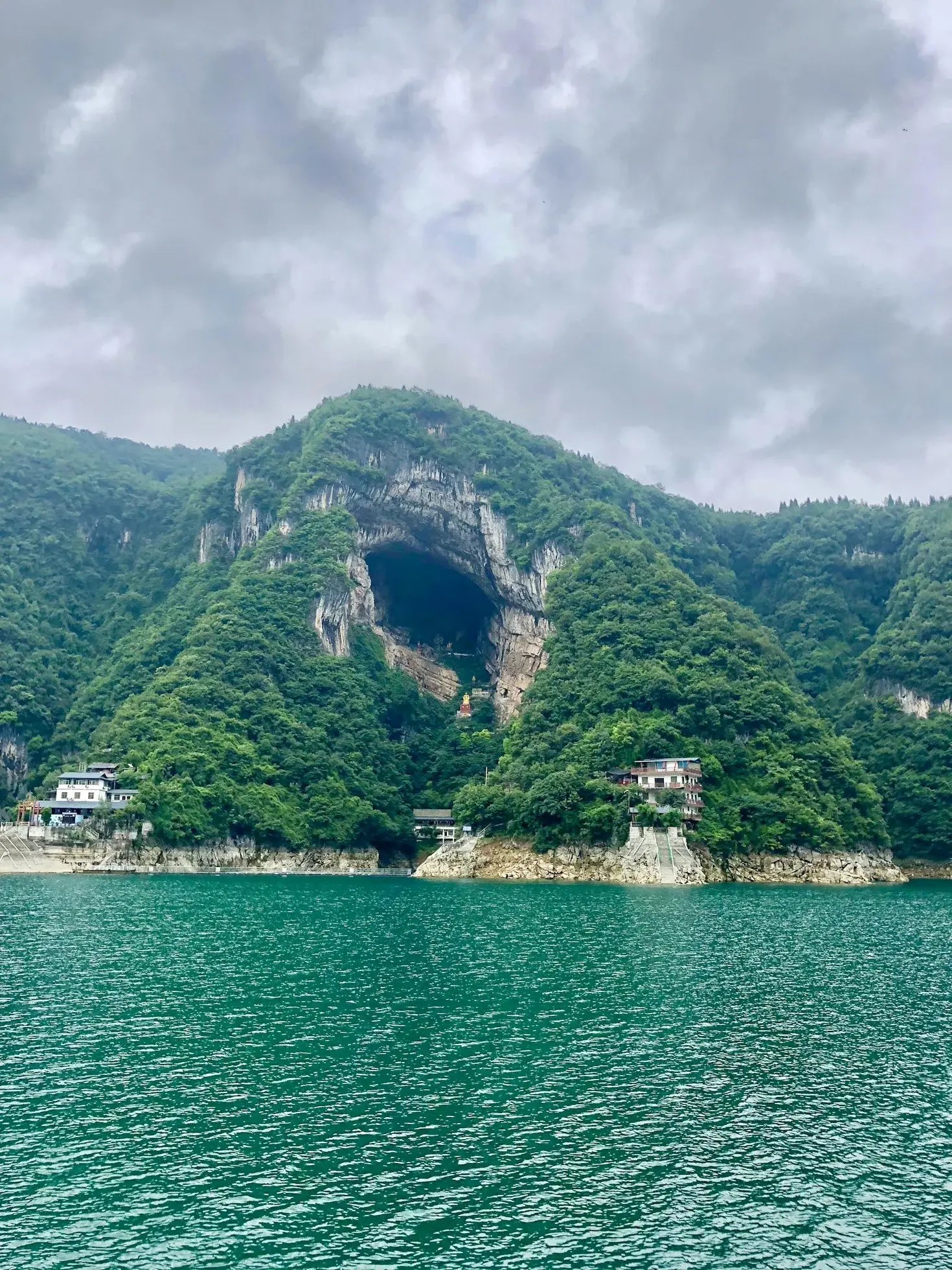
· The slowest day of the eighteen
Sailing, with a shore stop run by the ship. The recovery leg does its work here.
Flight
Shanghai · Day 16 - Day 18
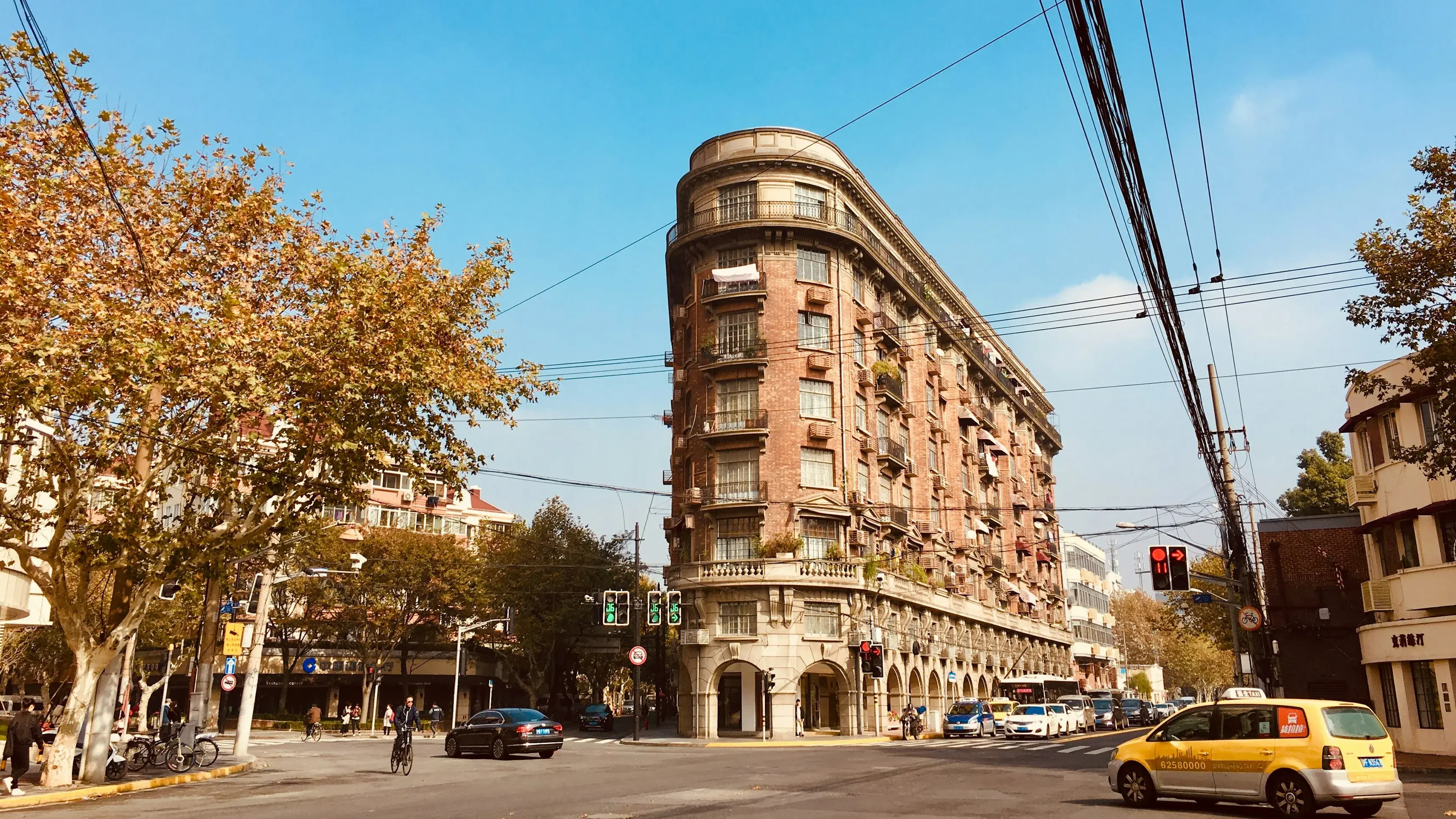
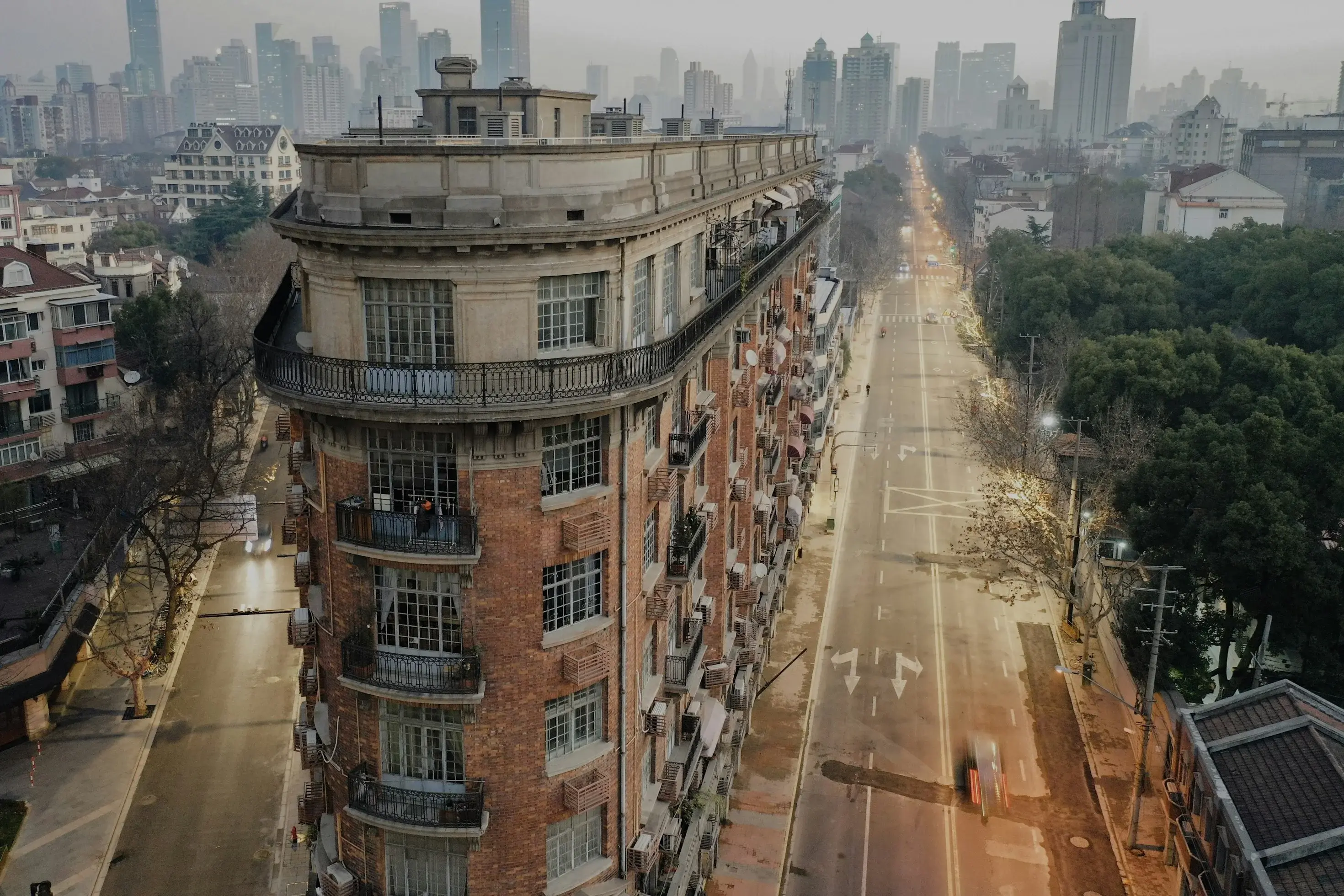
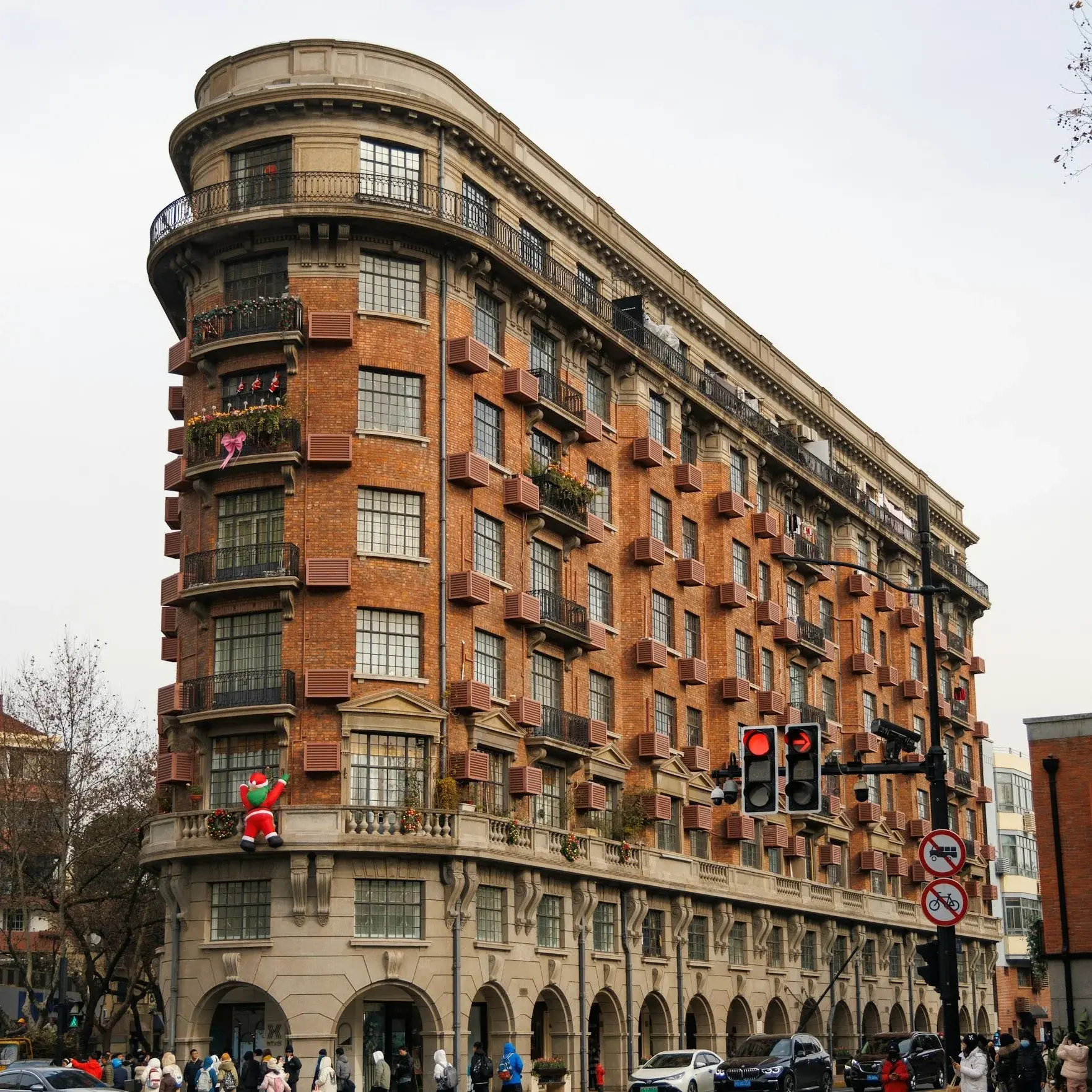
· Off the river, into the last city
Disembark in the morning, fly in the afternoon, and land at sea level. The arc closes tonight.
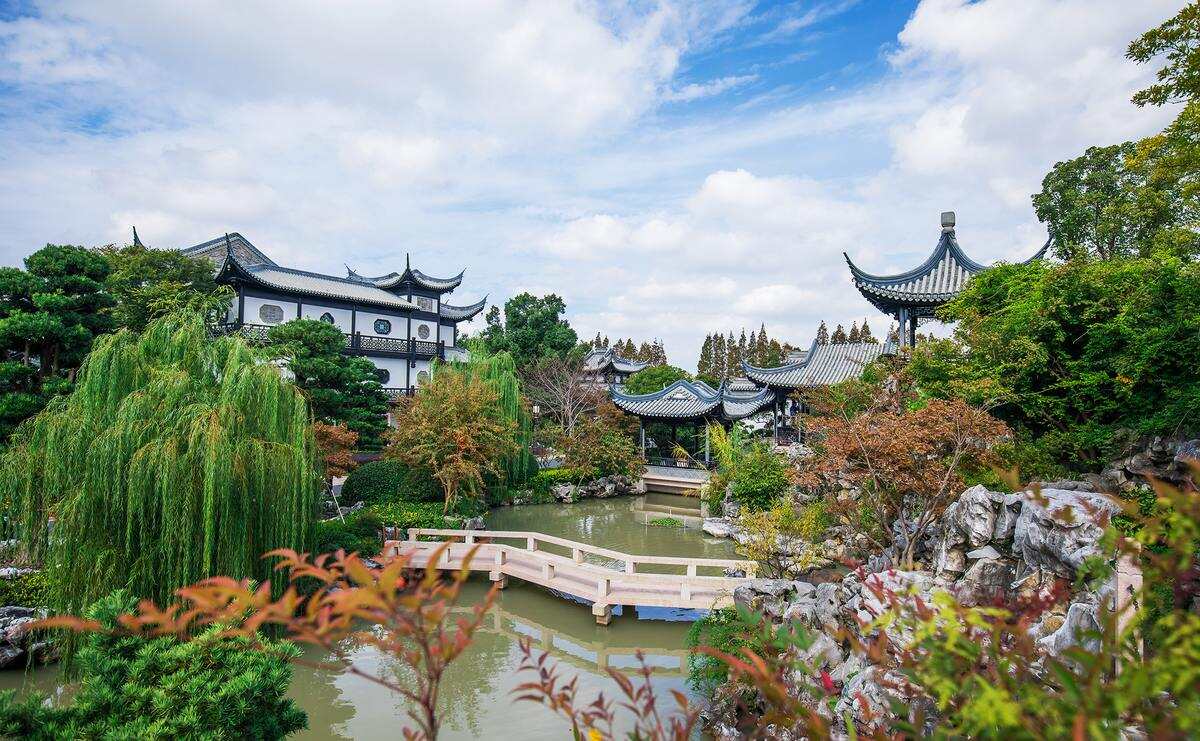
· A garden, a commuter boat, two skylines
A classical garden in the morning, the working ferry in the afternoon, the waterfront after dark. The last full day answers the first one.
· Home
Breakfast, then the airport. The plan ends the way it started: a driver, and no hurry.
Departures
Free PDF
Read it on your own time
We'll send this itinerary guide to your inbox for free.
No spam, ever. Unsubscribe anytime.
Hotels
These are sample stays typically included in the itinerary. Final pricing depends on the hotel level selected.
Shanghai
Shanghai Royal Garden Hotel (Shanghai International Resort)
Shanghai Royal Garden Hotel: a luxury garden hotel near Pudong Airport and Disneyland, with free shuttle service to both.
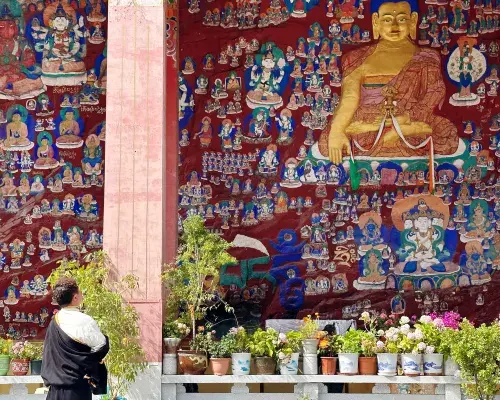
Lhasa
Shangri-La Lhasa
Five-star Tibetan-design hotel with oxygen-enriched rooms for high-altitude acclimatisation.
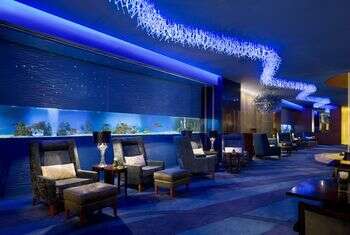
Beijing
Beijing Marriott Hotel Northeast
International luxury hotel in Beijing, ideal for business trips and city breaks.
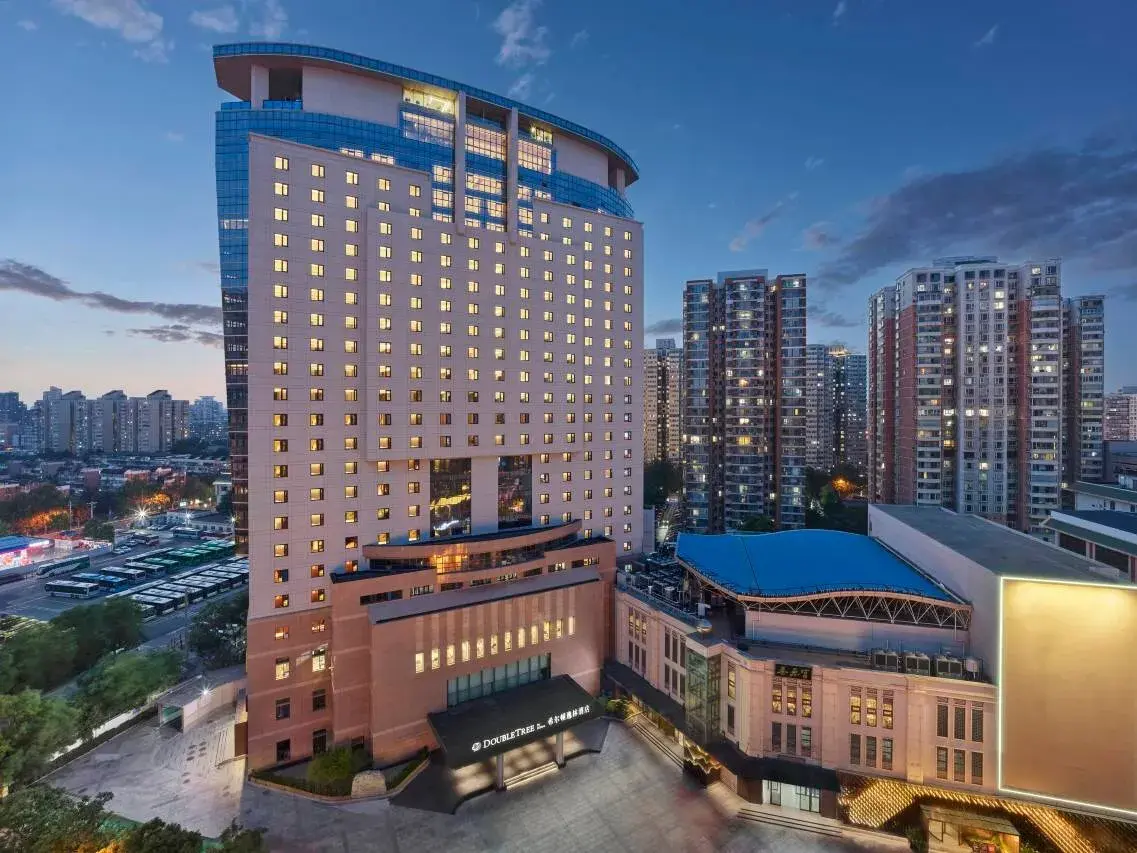
Beijing
DoubleTree by Hilton Beijing East Third Ring Road
International upscale hotel in Beijing, suitable for business and leisure stays.
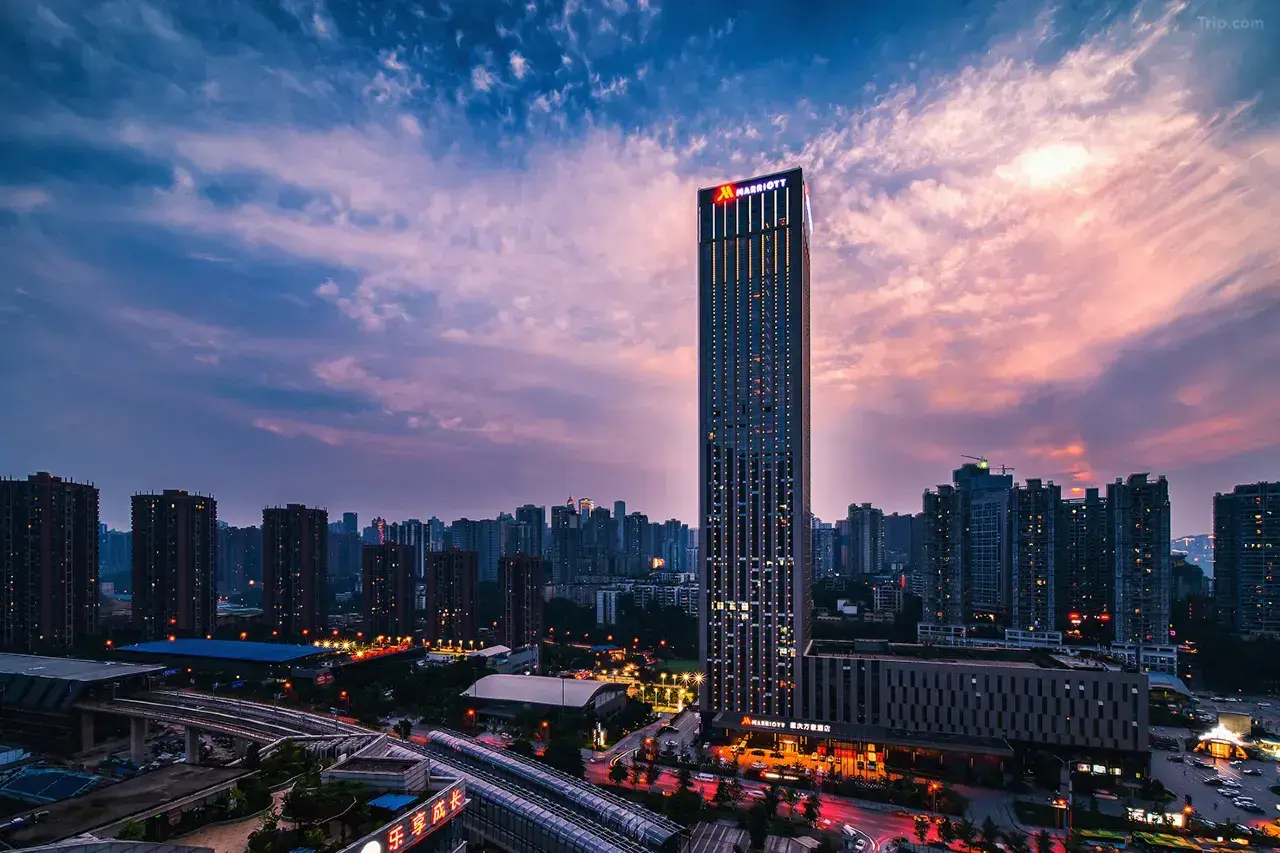
Chongqing
Chongqing Marriott Hotel
A reliable Chongqing stay for travellers who want comfort after exploring the city’s hills, rivers, bridges, and night views.
Chongqing
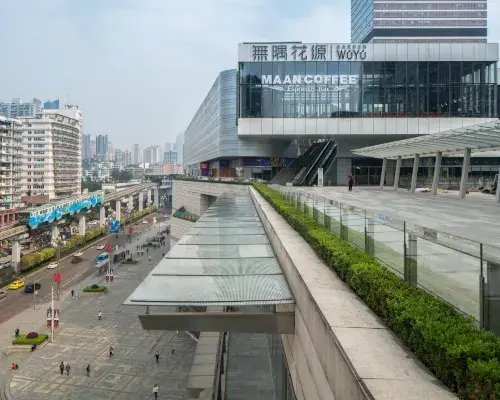
Wuyu Sky Garden Hotel
A curated hotel option in Chongqing, used as the shared route hotel resource.
Shanghai
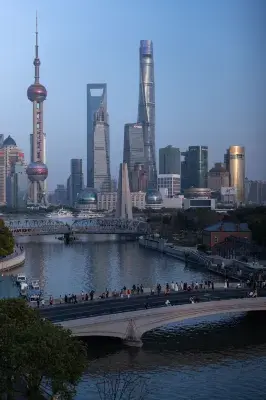
Bellagio by MGM Shanghai on the Bund
A curated hotel option in Shanghai, used as the shared route hotel resource.
Shanghai
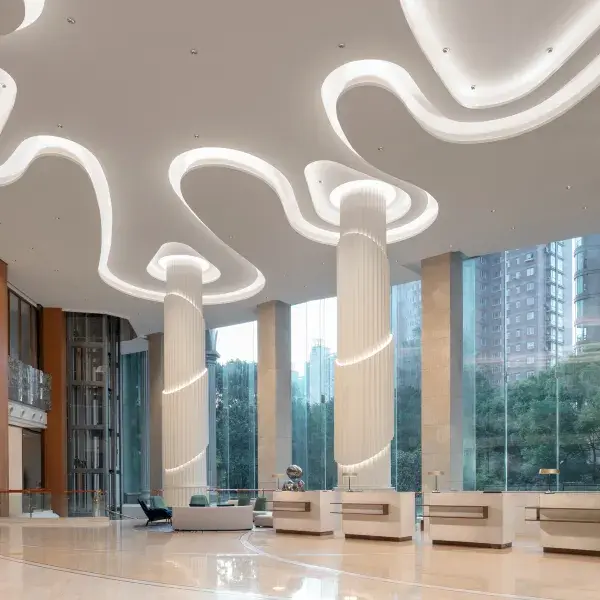
Pullman Shanghai Zhongganghui Hotel
Pullman Shanghai Zhongganghui Hotel, in Dapuqiao near Tianzifang, steps from Metro Line 9 and the Expo site.
Chengdu
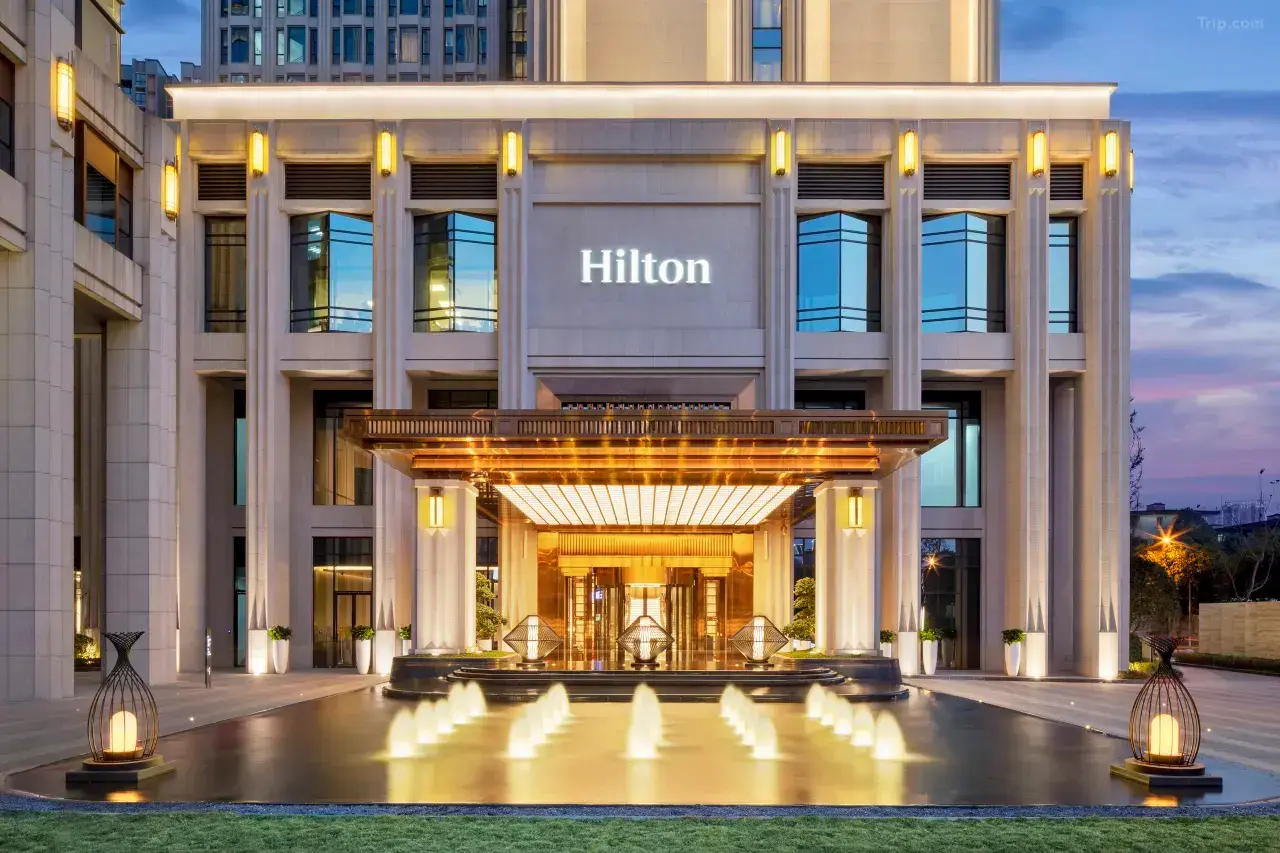
Hilton Chengdu Chenghua
A practical Chengdu base for travellers who want easy city access, relaxed days out, and a comfortable return after sightseeing.
Chengdu
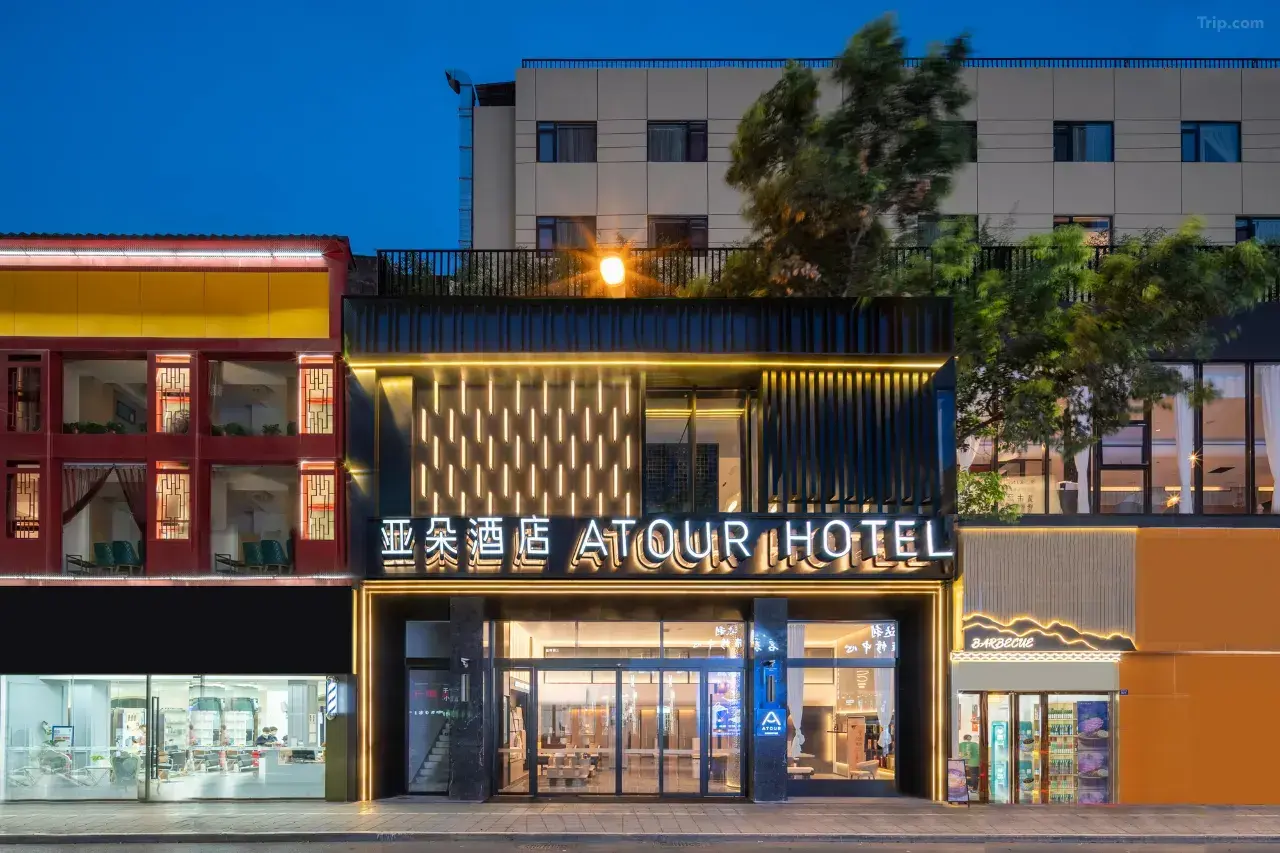
Atour Hotel Chengdu Taikoo Li Chunxi Road Pedestrian Street
A simple Chengdu stay near Chunxi Road, ideal for travellers who want easy walks, food stops and short city transfers.
Xi'an
Shangri-La Hotel
Shangri-La Hotel Xi'an: five-star luxury near the Terracotta Warriors, 35 minutes from the airport.
Xi'an
Sheraton Xi'an North City Hotel
Sheraton Xi'an North City: five-star luxury five minutes from the Daming Palace, with an indoor pool and wellness centre.
Chongqing
Pagoda Hotel Chongqing Jiefangbei
Pagoda Hotel Chongqing Jiefangbei
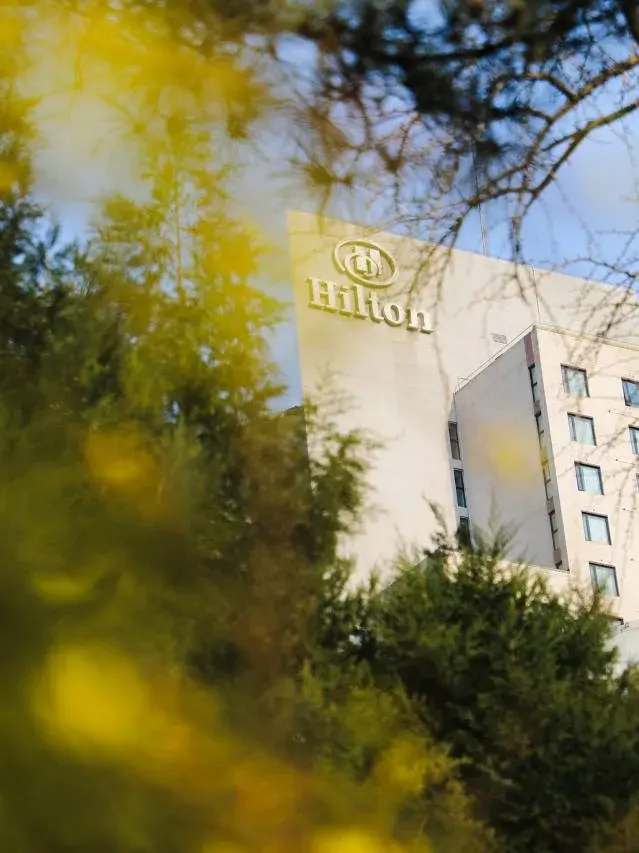
Beijing
Hilton Beijing
Well-established international hotel in Beijing with reliable service and central access.
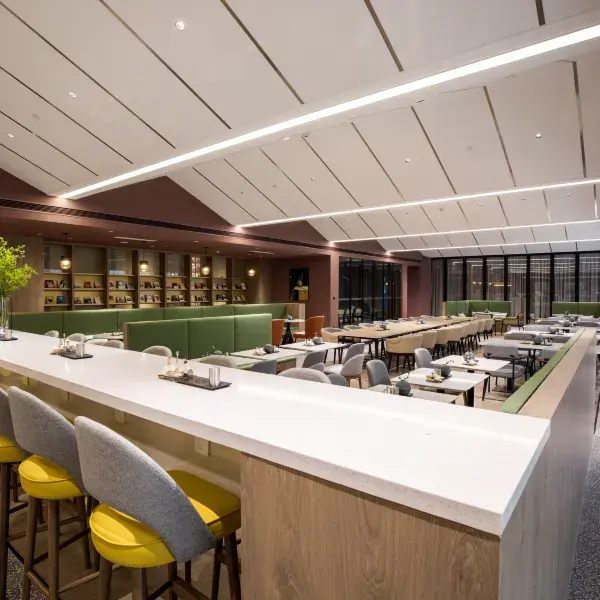
Shanghai
Atour S Hotel Shanghai Hongqiao Centre Aegean
Atour S Hotel in Hongqiao: steps from Aegean Place and Metro Line 10, six km from the National Exhibition and Convention Centre.
Lhasa
Shangri-La Lhasa Hotel
Shangri-La Lhasa Hotel, near Norbulingka and Tibet Museum, with mountain views, an oxygen lounge and 4 restaurants.
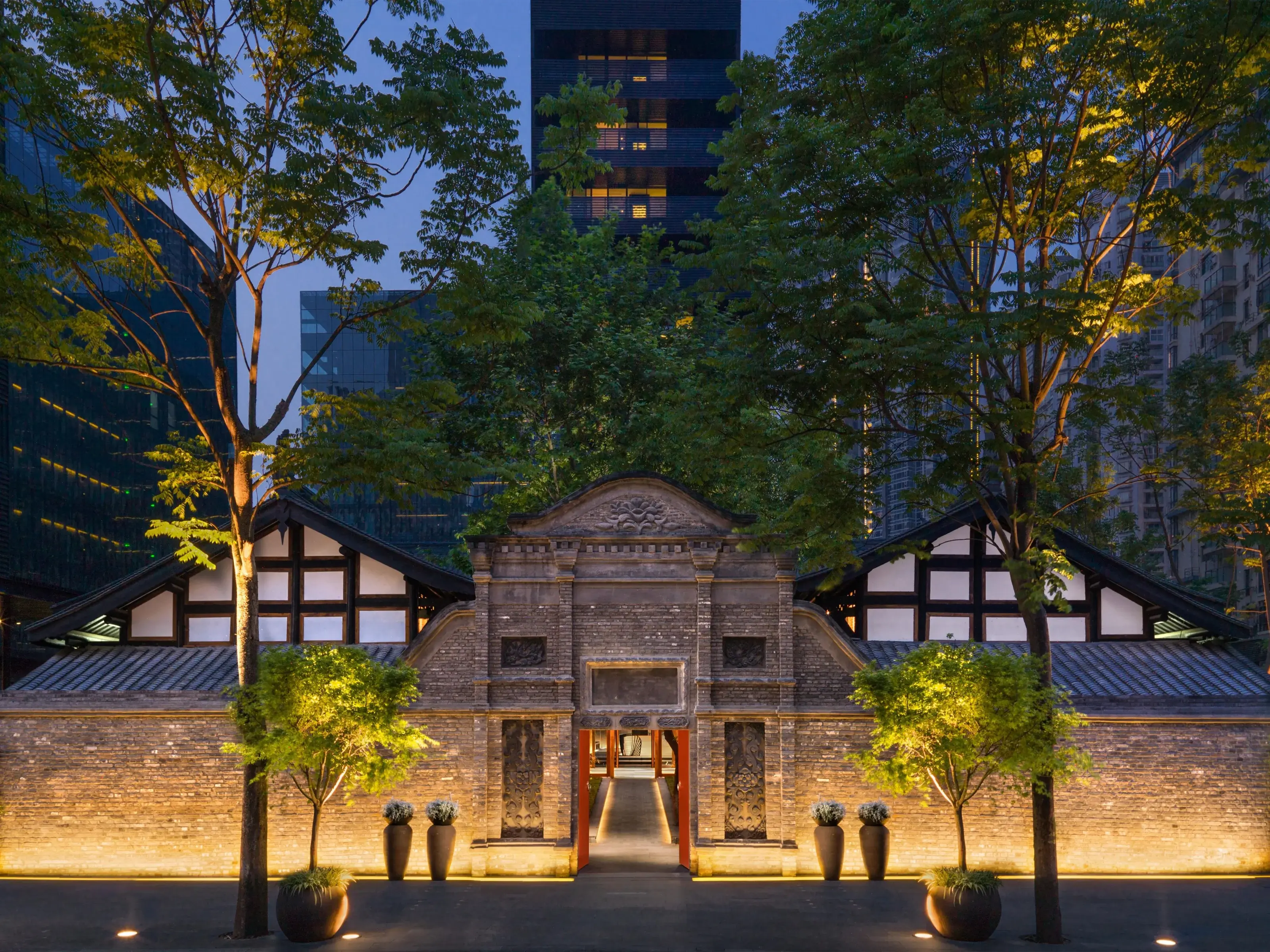
Chengdu
The Temple House
Boutique luxury hotel set within a restored Qing-dynasty courtyard near Taikoo Li, boasting one of Chengdu's most striking design statements.
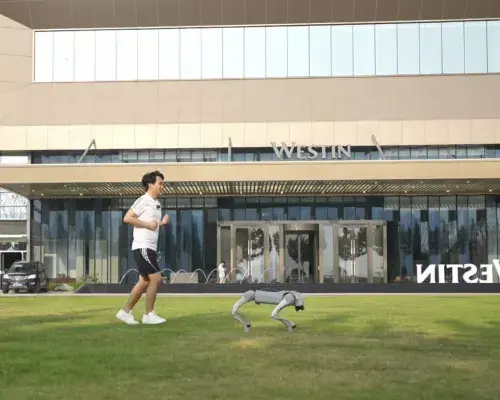
Yichang
The Westin Yichang
A curated hotel option in Yichang, used as the shared route hotel resource.
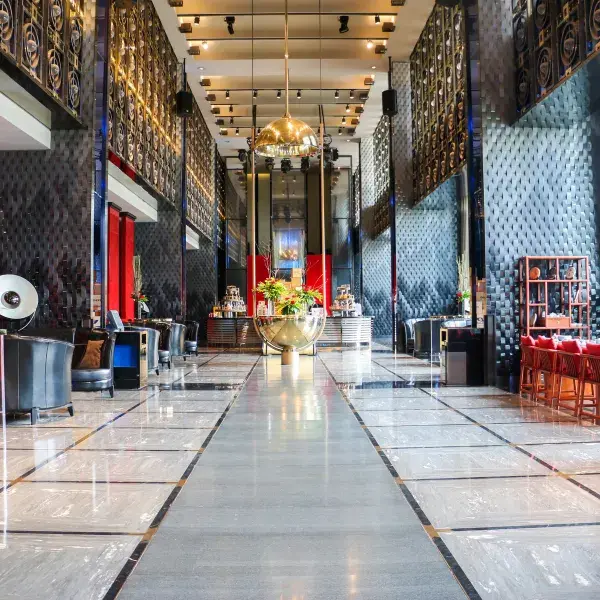
Beijing
Sofitel Beijing Central
Luxury international hotel in central Beijing with refined comfort and service.
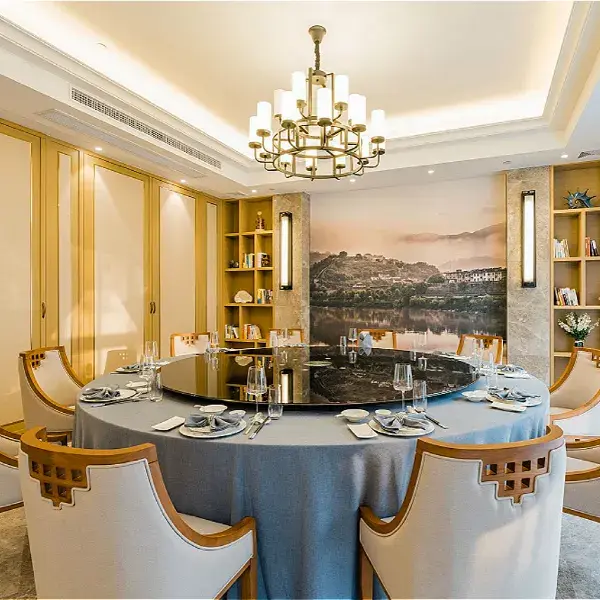
Shanghai
Atour S Hotel Shanghai Lujiazui Pudong Avenue
Atour S Hotel Shanghai Lujiazui: a stylish stay in Pudong, minutes from the Bund, Jin Mao Tower and Shanghai Tower.
Shanghai
Shanghai Royal Garden Hotel (Shanghai International Resort)
Shanghai Royal Garden Hotel: a luxury garden hotel near Pudong Airport and Disneyland, with free shuttle service to both.
Lhasa
Shangri-La Lhasa
Five-star Tibetan-design hotel with oxygen-enriched rooms for high-altitude acclimatisation.
Beijing
Beijing Marriott Hotel Northeast
International luxury hotel in Beijing, ideal for business trips and city breaks.
Beijing
DoubleTree by Hilton Beijing East Third Ring Road
International upscale hotel in Beijing, suitable for business and leisure stays.
Chongqing
Chongqing Marriott Hotel
A reliable Chongqing stay for travellers who want comfort after exploring the city’s hills, rivers, bridges, and night views.
Chongqing
Wuyu Sky Garden Hotel
A curated hotel option in Chongqing, used as the shared route hotel resource.
Shanghai
Bellagio by MGM Shanghai on the Bund
A curated hotel option in Shanghai, used as the shared route hotel resource.
Shanghai
Pullman Shanghai Zhongganghui Hotel
Pullman Shanghai Zhongganghui Hotel, in Dapuqiao near Tianzifang, steps from Metro Line 9 and the Expo site.
Chengdu
Hilton Chengdu Chenghua
A practical Chengdu base for travellers who want easy city access, relaxed days out, and a comfortable return after sightseeing.
Chengdu
Atour Hotel Chengdu Taikoo Li Chunxi Road Pedestrian Street
A simple Chengdu stay near Chunxi Road, ideal for travellers who want easy walks, food stops and short city transfers.
Xi'an
Shangri-La Hotel
Shangri-La Hotel Xi'an: five-star luxury near the Terracotta Warriors, 35 minutes from the airport.
Xi'an
Sheraton Xi'an North City Hotel
Sheraton Xi'an North City: five-star luxury five minutes from the Daming Palace, with an indoor pool and wellness centre.
Chongqing
Pagoda Hotel Chongqing Jiefangbei
Pagoda Hotel Chongqing Jiefangbei
Beijing
Hilton Beijing
Well-established international hotel in Beijing with reliable service and central access.
Shanghai
Atour S Hotel Shanghai Hongqiao Centre Aegean
Atour S Hotel in Hongqiao: steps from Aegean Place and Metro Line 10, six km from the National Exhibition and Convention Centre.
Lhasa
Shangri-La Lhasa Hotel
Shangri-La Lhasa Hotel, near Norbulingka and Tibet Museum, with mountain views, an oxygen lounge and 4 restaurants.
Chengdu
The Temple House
Boutique luxury hotel set within a restored Qing-dynasty courtyard near Taikoo Li, boasting one of Chengdu's most striking design statements.
Yichang
The Westin Yichang
A curated hotel option in Yichang, used as the shared route hotel resource.
Beijing
Sofitel Beijing Central
Luxury international hotel in central Beijing with refined comfort and service.
Shanghai
Atour S Hotel Shanghai Lujiazui Pudong Avenue
Atour S Hotel Shanghai Lujiazui: a stylish stay in Pudong, minutes from the Bund, Jin Mao Tower and Shanghai Tower.
Shanghai
Shanghai Royal Garden Hotel (Shanghai International Resort)
Shanghai Royal Garden Hotel: a luxury garden hotel near Pudong Airport and Disneyland, with free shuttle service to both.
Lhasa
Shangri-La Lhasa
Five-star Tibetan-design hotel with oxygen-enriched rooms for high-altitude acclimatisation.
Beijing
Beijing Marriott Hotel Northeast
International luxury hotel in Beijing, ideal for business trips and city breaks.
Beijing
DoubleTree by Hilton Beijing East Third Ring Road
International upscale hotel in Beijing, suitable for business and leisure stays.
Chongqing
Chongqing Marriott Hotel
A reliable Chongqing stay for travellers who want comfort after exploring the city’s hills, rivers, bridges, and night views.
Chongqing
Wuyu Sky Garden Hotel
A curated hotel option in Chongqing, used as the shared route hotel resource.
Shanghai
Bellagio by MGM Shanghai on the Bund
A curated hotel option in Shanghai, used as the shared route hotel resource.
Shanghai
Pullman Shanghai Zhongganghui Hotel
Pullman Shanghai Zhongganghui Hotel, in Dapuqiao near Tianzifang, steps from Metro Line 9 and the Expo site.
Chengdu
Hilton Chengdu Chenghua
A practical Chengdu base for travellers who want easy city access, relaxed days out, and a comfortable return after sightseeing.
Chengdu
Atour Hotel Chengdu Taikoo Li Chunxi Road Pedestrian Street
A simple Chengdu stay near Chunxi Road, ideal for travellers who want easy walks, food stops and short city transfers.
Xi'an
Shangri-La Hotel
Shangri-La Hotel Xi'an: five-star luxury near the Terracotta Warriors, 35 minutes from the airport.
Xi'an
Sheraton Xi'an North City Hotel
Sheraton Xi'an North City: five-star luxury five minutes from the Daming Palace, with an indoor pool and wellness centre.
Chongqing
Pagoda Hotel Chongqing Jiefangbei
Pagoda Hotel Chongqing Jiefangbei
Beijing
Hilton Beijing
Well-established international hotel in Beijing with reliable service and central access.
Shanghai
Atour S Hotel Shanghai Hongqiao Centre Aegean
Atour S Hotel in Hongqiao: steps from Aegean Place and Metro Line 10, six km from the National Exhibition and Convention Centre.
Lhasa
Shangri-La Lhasa Hotel
Shangri-La Lhasa Hotel, near Norbulingka and Tibet Museum, with mountain views, an oxygen lounge and 4 restaurants.
Chengdu
The Temple House
Boutique luxury hotel set within a restored Qing-dynasty courtyard near Taikoo Li, boasting one of Chengdu's most striking design statements.
Yichang
The Westin Yichang
A curated hotel option in Yichang, used as the shared route hotel resource.
Beijing
Sofitel Beijing Central
Luxury international hotel in central Beijing with refined comfort and service.
Shanghai
Atour S Hotel Shanghai Lujiazui Pudong Avenue
Atour S Hotel Shanghai Lujiazui: a stylish stay in Pudong, minutes from the Bund, Jin Mao Tower and Shanghai Tower.
Included / Excluded
What's Included
- The Forbidden CityAdmission, plus the timed reservation booked by us with the details on your confirmation. This day is never set on a Monday, the palace's closing day
- Jingshan ParkAdmission. The hilltop pavilion looks down the palace roofline and the central axis
- Mutianyu Great WallAdmission, plus the uphill cable car or open chairlift section, so the ascent does not rest on walking. The toboggan descent is not included in the price
- Old Beijing hutong and Shichahai lakeside walkThe guided walk through courtyard lanes and lakeside streets. No admission charge applies to this walk
- The Terracotta ArmyAdmission to the pit halls. Departures with the Xi'an day inside the October 1 to 7 holiday week are removed from our calendar
- Xi'an City Wall with rampart cyclingAdmission, plus bicycle hire for the rampart cycling section
- Chengdu Panda Base, morning visitAdmission, morning entry when the animals are generally more active
- Gaiwan tea sitting, People's ParkOne gaiwan tea seat per guest, refills included, sit for as long as you like. Ear cleaning and other in-park stall services are not included in the price.
- Yu Garden and the old cityAdmission to Yu Garden. The surrounding old-city walk is free of charge.
- Huangpu River ferryThe public ferry crossing fare
- The Bund in the eveningThe evening walk along the Bund waterfront. No admission charge applies.
Not Included
- International flightsFlights into Beijing and out of Shanghai
- Visas and the Tibet permitVisa fees and processing for guests who require a Chinese visa. The Tibet travel permit fee and its handling charge are likewise excluded from the price until the permit sourcing is confirmed.
- Days 8 to 16The Lhasa section, the Chongqing day and the three nights on the Yangtze carry no landed sourcing and are outside the price in full
- Toboggan descent at MutianyuPayable on site by guests who choose it
- In-park stall servicesEar cleaning, shoe shining and similar services in People's Park
- In-venue transport not named aboveShuttle carts and in-park transport at every site on this route
- Meals other than those namedLunches and dinners not named above: recommended and booked by your guide, at your own expense
- GratuitiesGratuities for guides, drivers and ship crew
- Single or extra room differenceCharged per order once the room grade is chosen
- Personal spendingLaundry, minibar, telecommunications, personal shopping
- Optional add-onsNone are offered on this route at present. Any future optional item is priced separately when you choose it, is never bundled into the base plan and is never listed as a highlight
Special Notes
Several things on this route follow a permit office, a season or a sailing calendar rather than our preferences. Here they are, told straight.
- Bookings are not open — we take no orders and no deposits. Four things have to close first: a departure calendar that satisfies every date constraint at once; the Lhasa sourcing, including the oxygen-equipped hotel; a definite answer on the Tibet permit for visa-free arrivals; and contracted cabin inventory on the river with a sailing date that lines up with the Lhasa flight. Tell us your dates and we will write to you when it opens.
- The permit question, first — every guest on this route needs a Tibet travel permit in addition to their entry route. Whether a guest who enters China visa-free, holding a passport with no Chinese visa page, can obtain that permit is not settled in our records. All six visa-free markets ride on it. We are not selling this route on the assumption that the answer is yes.
- Permit lead time — The permit pre-review requires at least 15 days before departure, so orders within 15 days of departure are not accepted in any market. Note that our approved payment terms set the balance at 14 days before departure, one day later than the permit deadline. The two do not align; the permit deadline takes precedence, and how payment is scheduled against it is determined before bookings open.
- The October to December 2026 season — the Lhasa section is arranged from April to October only, and the river ships end their 2026 season on November 27 and December 7. On an 18-day plan, any departure after mid-October crosses into November. Those two windows together leave effectively no departure date in October to December 2026 on which the whole 18 days runs inside every window, so this route is not sold for that season. As designed it sells in the April to October window.
- Altitude and what is not yet in place — the plan gains 3,150 metres in one flight on day 8 and then holds a rest day with nothing on it, one item per day after that and a descent by river rather than a second flight. That is the design. What is not in place is the equipment side: the oxygen-equipped hotel this section rests on is not contracted, so we do not describe an altitude safeguard as if it existed. A pre-travel questionnaire on heart and lung history is being written and is not finished.
- Departure dates — four constraints have to be computed together rather than one at a time, and until that is done there is no departure calendar. Day 2 is never a Monday, when the palace closes. The Xi'an day never falls in the October 1 to 7 holiday week. The Lhasa section runs April to October. The embarkation day is fixed by the ship's own sailing days, checked sailing by sailing against the operator's current calendar rather than extrapolated from a weekly pattern.
- Transport not yet verified — the cabin class on both high-speed rail sectors and on all three domestic flight sectors is not set, and the three flight sectors have not been checked against the current season's timetable. Each is stated in writing in your quote, and none is quoted before it is verified. A blank cabin class reads as the highest grade, so it is never left blank.
- Passports — the UK, most of Europe and Canada enter visa-free for stays days, and Australian and New Zealand passports have the same 30 days. We check the 18 days plus any further days in China against that window order by order, which leaves 12 days of headroom at most. The current policy runs through December 31, 2026. Departures on or before December 14, 2026 finish inside the window, and later ones are quoted only after an official renewal. US passports are not on that list and this plan is longer than the ten-day visa-free transit policy allows, so a US guest would need a Chinese tourist or business visa plus the permit. Whether US guests belong to this route at all is under commercial review, and no US order is taken meanwhile.
- Entering on the transit policy — guests who entered China under the ten-day visa-free transit policy cannot take this trip. Eighteen days exceeds that policy's permitted stay and its permitted areas do not include Tibet. We say so before payment, and we do not look for workarounds.
- Confirmation and changes — The confirmation-time commitment and the change and refund terms are being settled with our ground partners and the ship operator. Until they are, each quote states in writing its own confirmation deadline and its change and refund conditions. Structurally this route holds three domestic flights, two rail sectors, a fixed-date sailing and a permit with a 15-day pre-review. A date change touches all four at once, and the sailing day is the least movable of them.
Is Eighteen Days Your Length?
Fewer than eighteen days?
Fewer than eighteen days?
The arc comes apart at one joint. Beijing, Xi'an and Chengdu stand on their own as a shorter classic run. The plateau section needs its four nights and its rest day, so it is the piece that cannot be trimmed, only removed. The river descent can be replaced by a flight, at the cost of the recovery leg that makes the plateau section work. Tell us your dates and who is coming, and we cut whole pieces rather than compressing the pace.
Good to Know
- Group
- Private, just your party. From 1 guest. No fixed maximum party size.
- Pace
- Seven stops in 18 days: Beijing 3 nights, Xi'an 2, Chengdu 2, Lhasa 4, Chongqing 1, three nights aboard ship, Shanghai 2. Four easy days, one of them with nothing scheduled at all
- Effort
- Moderate city walking. One high-altitude section at about 3,650 m for four nights, with a rest day on arrival and one item per day after it. The steepest thing in that section is a flight of stairs. Every ascent elsewhere on the route has a lift or a bicycle
- Ports
- Arrival in Beijing, departure from Shanghai; airport pickup on day one and drop-off on day eighteen are confirmed in writing per booking.
- Visas
- UK, most European and Canadian passports enter visa-free for days, checked order by order. Australian and New Zealand passports have the same 30 days. Every guest also needs a Tibet travel permit. US passports need a Chinese visa, and US orders are not being taken at present
- Language
- English-speaking local guides in the cities. Which days include a guide, and at what licensing standard, is specified in writing per booking.
- Payment
- When this route opens for booking: From 1 guest. A 10% deposit (minimum $399) locks your dates. The balance is due 14 days before departure. "Or similar" never means a quiet downgrade
- Season
- The plateau section runs from April to October, and the river ships end their 2026 season on 27 November and 7 December. There is no sellable departure in October to December 2026 for the full 18 days.
Your Private Concierge Service
Jenny
China Private Travel Route Consultant
“A concierge desk offering bilingual planning services for bespoke China journeys”
Our China team carefully tailors the pace of the itinerary, hotel arrangements, and local reception services to suit the style of each route.
20+
Years
300+
Trips Designed
24/7
On-Trip Care
Step 01
Tell us what excites you
Not your dates and budget — your curiosity. Where have you always wanted to go? What do you want to feel? We start there.
24h
First concept delivered
Step 02
We design it around you
Your specialist builds the itinerary from scratch — routes, hosts, hotels, and experiences you won't find anywhere else.
100%
Private, never off-the-shelf
Step 03
Lock it in with 30%
When the plan feels right, a 30% deposit holds your trip. Balance due 30 days before departure.
30%
Deposit to confirm
Step 04
Travel. We handle the rest.
Your Trip Pack arrives before you fly. On the road, your concierge is one message away — for the expected and everything you didn't plan for.
24/7
Support throughout your journey
Cancellation terms agreed in writing

English-speaking concierge

Secure payment via Stripe

Guest Reviews
4.9 / 5 · from 523 verified reviews
E
Emily Carter
🇺🇸 Seattle, USA
Perfect for couples
“My partner and I had an amazing time in China. Everything was arranged for us — transfers, hotels, guides. No stress at all.”
May 2026
C
Claire Brooks
🇬🇧 London, UK
Great for families
“Traveled with my two kids and had zero issues. The team made sure the pace wasn't too rushed and included things the kids would enjoy. Communication was easy throughout. Will definitely use them again for our next Asia trip.”
Apr 2026
L
Laura Bennett
🇨🇦 Toronto, Canada
Alisa made the whole experience easy
“Alisa was our point of contact throughout and she was brilliant — patient, knowledgeable, and always quick to reply. The trip itself was wonderful. Beijing and Guilin were highlights.”
Mar 2026
M
Mark Henderson
🇺🇸 Denver, USA
Good service, minor hiccup but sorted quickly
“Really good service. There was a small mix-up with one of our restaurant bookings but it got sorted quickly. The rest of the trip was seamless.”
Feb 2026
R
Rebecca Miller
🇺🇸 Boston, USA
Really listened to what we wanted
“Really helpful team. They listened to what we wanted and delivered. Beijing and Xi'an were incredible.”
Jan 2026
China Ready
We've solved the hard parts. Here's everything a first-time Western traveller needs to know before arriving.
Do this before you fly

VPN & Internet Access
What's blocked
Google, Gmail, YouTube, Instagram, Facebook, WhatsApp, and most Western news sites are inaccessible in China without a VPN.
Download before you leave
It's nearly impossible to download a VPN once inside China. Install and test at home. Recommended: Astrill (most reliable), Mullvad, ExpressVPN — subscribe to at least two in case one stops working.
Hotel Wi-Fi tip
Some hotels block VPN connections on their Wi-Fi. Use your phone's mobile data as a hotspot if the VPN drops.
Good news
WhatsApp works perfectly through a VPN, so your messaging stays unchanged. Apple iMessage and Signal also work.
Your concierge sets this up on Day 1

Paying in China
China is cashless
Alipay and WeChat Pay are used for almost everything — restaurants, taxis, markets, tickets. Cash is rarely accepted in cities.
International cards now work
Foreign Visa/Mastercard can now link directly to Alipay (set up in minutes, $5,000 single transaction limit). Your concierge walks you through the setup on your first morning.
Carry some cash
We recommend ¥500–800 RMB in cash for the rare vendor that won't accept digital payment, and for small towns.
Booking this trip
Your deposit and balance are charged via Stripe — the same trusted platform used by Airbnb and Booking.com. USD billing, no surprise conversion fees.
We handle the paperwork

Visa & Entry
Do you need a visa?
Most US, UK, EU, Australian, Canadian, and New Zealand passport holders need a tourist (L) visa for stays over 10 days. We provide a visa invitation letter with every booking — it significantly speeds up approval.
240-hour visa-free transit
Citizens of 55+ countries (including USA, UK, most of EU, AUS, NZ, Canada) can enter China visa-free for up to 10 days if transiting through eligible ports. This covers our 12-day itinerary only if you have a confirmed onward flight.
Processing time
Apply 4–6 weeks before departure. Standard processing: 4–7 business days. Express (3 days) and same-day options available at most Chinese consulates.
What we provide
Visa invitation letter, hotel confirmation for all nights, suggested itinerary document — everything the consulate needs, formatted correctly.
Our responsibility, always

Safety & Practical Tips
Is China safe?
China consistently ranks among the safest countries for foreign tourists. Violent crime against visitors is extremely rare. Cities have extensive CCTV coverage and a visible police presence.
Emergency numbers
Police: 110. Ambulance: 120. Your concierge is your first call for any non-emergency situation — she has local contacts for every city on the itinerary.
Health & medications
Bring a full supply of any prescription medication. International pharmacies exist in major cities but may not carry your brand. Travel insurance is required — we can recommend policies that cover China specifically.
Language
English fluency outside hotels and tourist sites is limited. Your guides all speak English. We provide a printed pocket card with essential Chinese phrases and emergency contacts for every traveller.
Before You Book
Everything worth knowing before you book.
We do not have a confirmed answer yet, and that is exactly why this route is not on sale. A Tibet travel permit is issued separately from your entry to China, it is applied for by an agency on your behalf, and its pre-review needs at least 15 days before departure. What we have not yet confirmed in writing is whether a passport with no Chinese visa page in it can be processed the same way. We are not going to take your deposit on a guess. What you can do now is tell us your dates: the day we have a written answer, and a departure calendar to go with it, we write to you first.
Not the full 18 days, and we would rather say that than sell you a shortened version quietly. The plateau section is arranged from April to October only, and the river ships end their 2026 season on November 27 and December 7. Because this is an 18-day plan, a departure after mid-October crosses into November on the plateau. Put the two windows together and nothing in October to December fits end to end. As designed, this journey sells from April to October. If your dates are fixed in that quarter, the three-city classic run at the front of this plan does work then, and we will price that instead rather than bend this one.
Some guests feel it and some do not, and nobody can tell you in advance which one you are. What the plan does about it: the ascent happens in one flight on day 8, and the whole of day 9 carries nothing at all. Every day after that carries a single item rather than three. The highest point of the route is the city you sleep in rather than a mountain pass, and the descent is by river over three nights instead of a second flight. What the plan does not yet have: a contracted oxygen-equipped hotel, which is what the section was designed around, and a finished pre-travel questionnaire on heart and lung history. Until both exist we do not describe an altitude safeguard as if it were in place. If you have a heart or lung history, talk to your doctor before you talk to us.
Because the plateau needs digesting, and a second flight does not digest anything. Three nights on the river are the recovery leg of this route: you lose the last of the altitude slowly, you unpack once, and the country goes past at walking pace after two weeks of trains and flights. It is also the reason the plateau section can carry four nights instead of two: the days that follow it ask nothing of you. The honest part: those three nights are not sourced yet. The cabins are not contracted, the cabin grade is not set, and the two full days on board are carried by the ship operator's own programme rather than by ours. None of it is in the price today.
Eleven named items, all of them in the four sourced cities. In Beijing: the Forbidden City with its timed reservation, Jingshan Park, Mutianyu Great Wall with the uphill lift and the hutong and lakeside walk. In Xi'an: the Terracotta Army and the city wall with the bicycle. In Chengdu: the panda base in the morning and the tea seat with refills. In Shanghai: Yu Garden, the river ferry and the Bund in the evening. That list is closed: nothing outside it is inside the price. Hotels, transfers, the vehicle and guide days are settled in writing for your order, one by one. Cabin classes, the two arranged lunches and insurance are settled the same way, and no order is taken without them in writing. Days 8 to 16 are not sourced at all, and none of it is sold to you.